For nickel and laterite mining operations stuck dealing with sticky,
moisture-laden high-viscosity laterite ore, generic screen media usually clogs
up within hours, forcing teams to run 3+ unscheduled cleaning shifts every week
that eat 25% of their daily production capacity. The right polyurethane screen
panel cuts that downtime drastically, with many sites reporting 70% less
blinding and 3x longer service life compared to standard rubber or woven wire
alternatives. Picking the wrong PU formulation or aperture design, though, can
leave you wasting money on a product that still can’t handle the unique
stickiness and abrasive properties of laterite ore.
Formulation Pick for Sticky, Abrasive Laterite Feed
Skip standard general-purpose polyurethane blends for this application — opt
for modified high-tear thermoset PU grades with a 65+ kN/m tear strength rating.
These formulations hold up far better against the sharp, abrasive laterite
particles that wear through regular PU panels in weeks, while their naturally
smooth, low-friction surface stops thick, clay-rich ore from sticking and
building up on the screen face. They also hold their elasticity even when
exposed to the mild acidic leach agents common in laterite processing, no
premature hardening or cracking after months of continuous use.
Aperture and Structure Design for Anti-Clog Performance
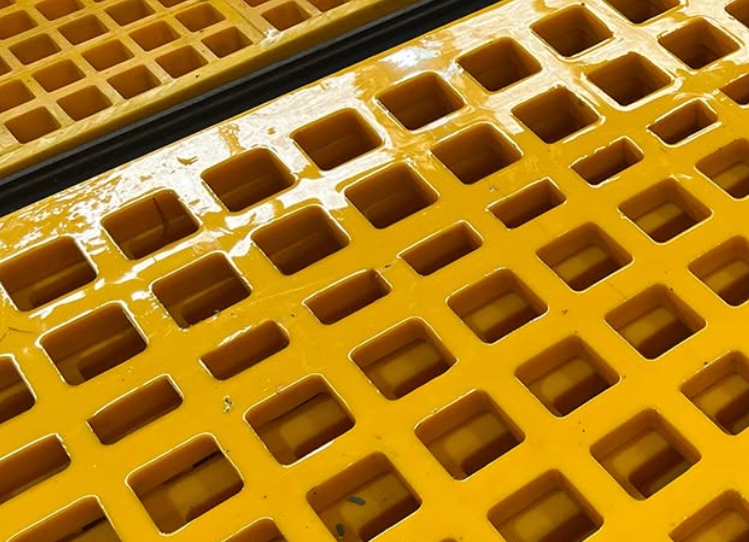
Go for slotted, rounded-corner apertures aligned parallel to the ore flow
direction instead of standard square or round holes. This shape lets viscous
fine particles slide through easily instead of getting wedged tight, and the
slight flex of the PU screen panel during vibration automatically shakes off
stuck laterite clumps without manual scraping. For extra heavy blinding-prone
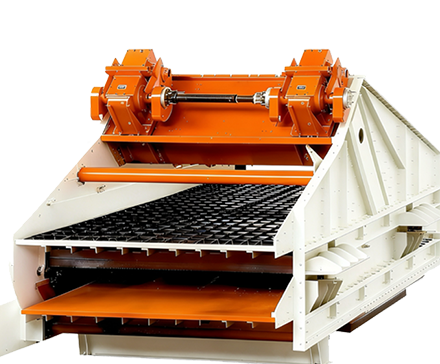
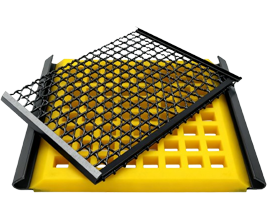
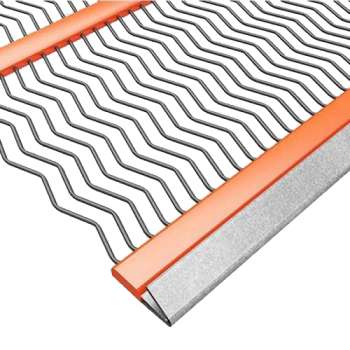
feed, pair these panels with a modular tensioned setup that lets the screen
stretch and relax at high frequency, breaking apart sticky ore agglomerates
before they can block openings entirely.
Installation and Deck Matching Tips
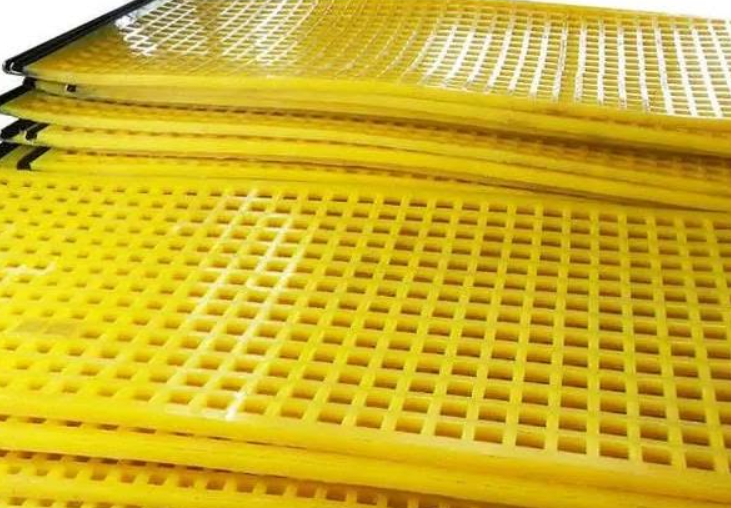
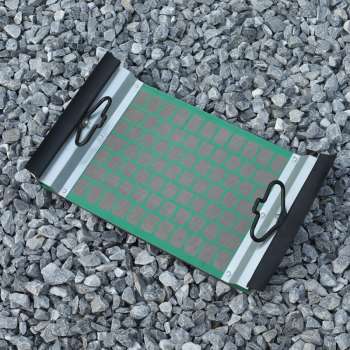
Stick to lightweight modular 200x200mm panel sizes instead of large full-deck
units, so you only have to swap out small localized worn sections instead of
replacing the entire screen when a few spots wear through. No need to modify
your existing vibrating screen deck at all, these Polyurethane panels drop right
into standard mounting slots, cutting installation time down to under an hour
for a full deck swap. Most operations that make this switch see their daily
cleaning downtime drop from 4 hours to less than 30 minutes, with total annual
screen maintenance costs falling by over 60%.
If you’re still dealing with constant blinding, unexpected screen tears and
lost production from your current laterite screening setup, our team of mining
media specialists can run a free quick assessment of your exact ore viscosity,
moisture level and deck specs to match you to the perfect custom polyurethane
screen panel solution. Reach out today for a no-obligation quote to boost your
screening uptime and cut unnecessary maintenance headaches this month.


Leave A Reply
By using form u agree with the message sorage, you can contact us directly now