Most mines still run steel plate screens in primary crushing ,and most of
them are replacing them too often. The shift toward heavy-duty polyurethane
screens isn't a trend. It's a response to real wear problems when you're
throwing 300mm+ ore at a screen deck at full belt speed.
Why Primary Crushing Is the Hardest Job
primary crushing is where screens go to die. You're dealing with irregular,
sharp-edged rock that's still hot from the jaw or gyratory crusher. Impact
forces here can exceed 200kN per strike. Steel screens handle the impact but
crack under fatigue. Rubber screens absorb the hit but tear within weeks.
Heavy-duty polyurethane screens sit in the sweet spot ,they flex under impact
without cracking, and their abrasion resistance holds up 3–4x longer than
manganese steel in the same position.
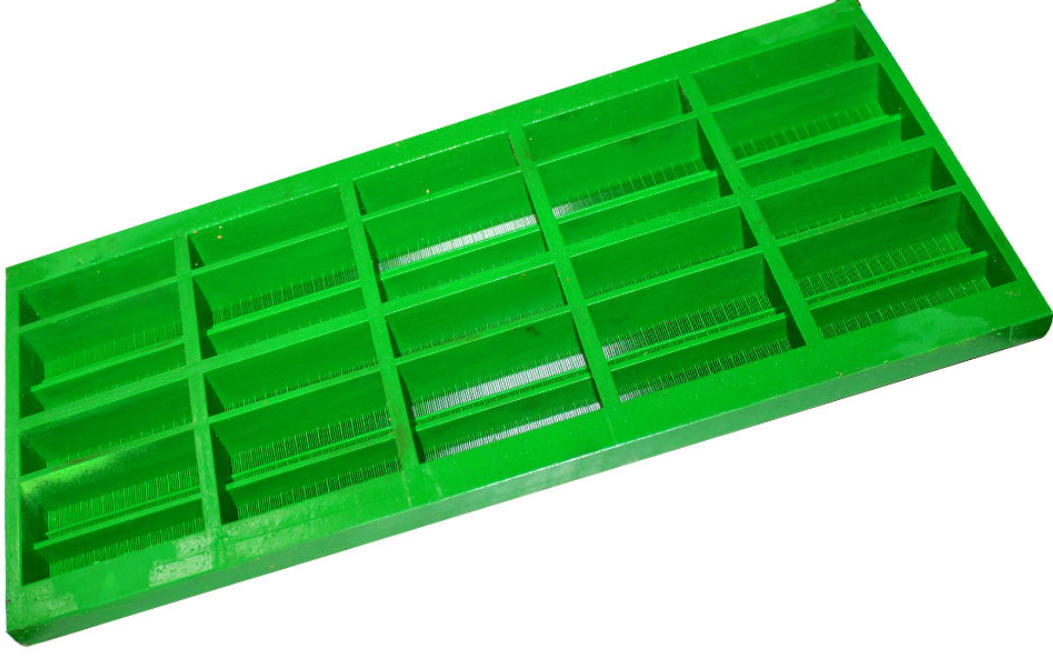
What Actually Matters: Abrasion Resistance Over Impact Toughness
Here's something most spec sheets won't tell you. In coarse screening of
large ore pieces, it's not the single big hit that kills your screen ,it's the
thousands of micro-impacts per hour as ore slides and rolls across the surface.
Polyurethane's Shore A 90–95 hardness gives it enough rigidity to resist
deformation, while the polymer matrix absorbs energy that would propagate cracks
in steel. Plants running heavy-duty polyurethane screens in iron ore and copper
primary circuits report screen life jumping from 45 days to 140–180 days. That's
not a marginal gain——a shift in your maintenance schedule.
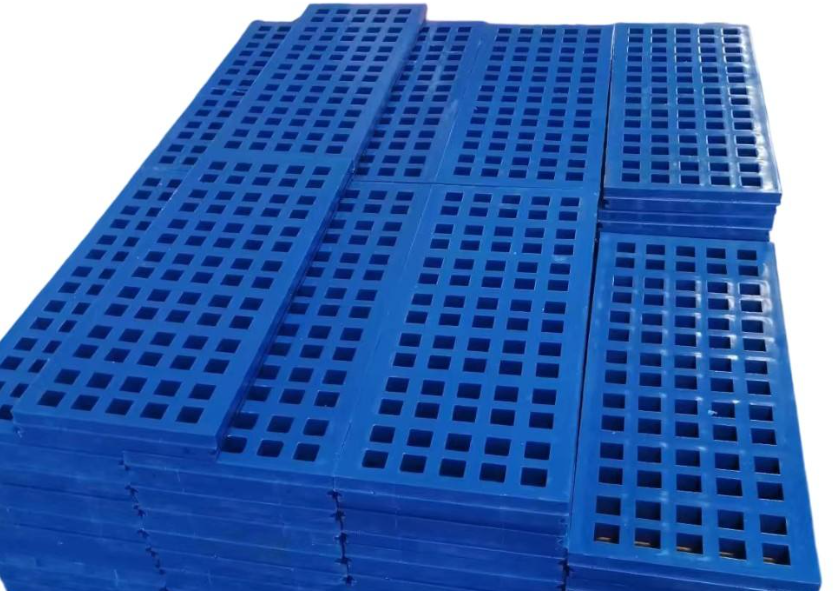
Real Application : Open Area and Longevity
There is One thing to watch —polyurethane screens typically offer 10–15% less
open area than equivalent steel perforated plates. For dry, free-flowing ore,
that barely matters. But if you're screening wet, sticky material with high clay
content, the reduced open area can increase blinding. The fix? Go with
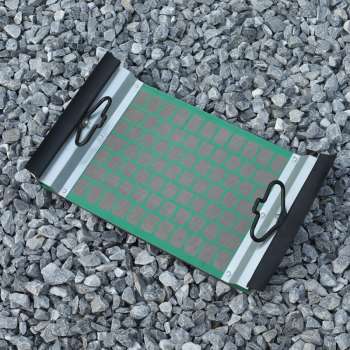
heavy-duty polyurethane screens featuring tapered or oblong apertures —they
self-clean better and maintain throughput even when the feed gets messy.
If your primary screen is costing you more in downtime and replacements than
the screen itself, it's time to run the numbers on polyurethane. The upfront
cost is higher. The cost-per-ton screened is not.


Leave A Reply
By using form u agree with the message sorage, you can contact us directly now