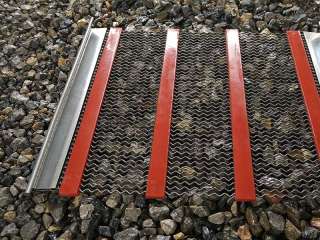
The advanced vibration technology of a self-cleaning screen is only as reliable as its installation A poorly tensioned screen deck will fail prematurely, regardless of its self-cleaning capabilities
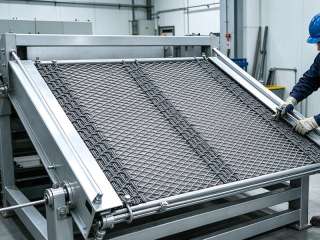
The promise of a self-cleaning screen lies in its ability to generate the precise motion needed to shed sticky material The core of this capability is the principle of independent vibration frequency
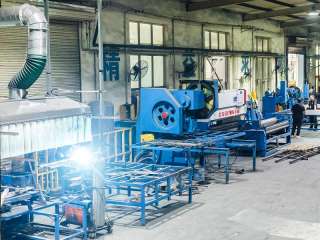
Screening high-moisture, sticky coal is a constant battle against blinding Self-cleaning screens promise a solution, but not all live up to the claim under real, wet conditions
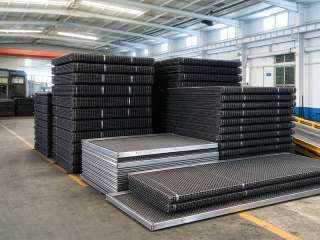
Screening compound fertilizer puts woven mesh through its paces Unlike plain rocks or sand, fertilizer granules soak up water from the air, chew through metal, and stick to just about anything
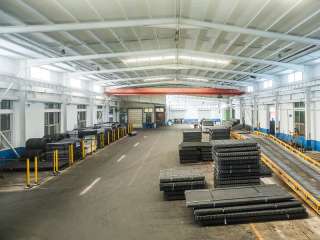
Hot-dip galvanized woven wire screens are everywhere in open-pit mines They’re supposed to stand up against the harsh elements, but let’s be real, mining throws a lot more at them than a gentle breeze or a little drizzle
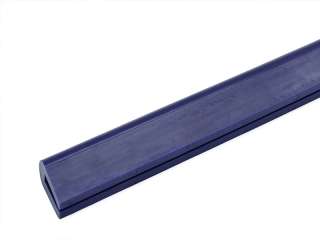
Screen clamping strips take a beating — impact from feed, constant vibration, and metal-on-metal friction wear them down until they lose grip
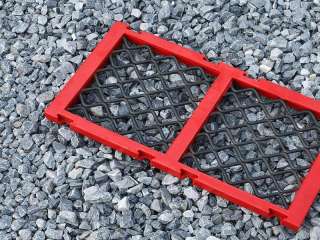
Anyone running self-cleaning screens knows that vibration settings aren t something you dial in once and forget The screening machine amplitude you choose directly controls whether fines bounce off or get hammered into the deck
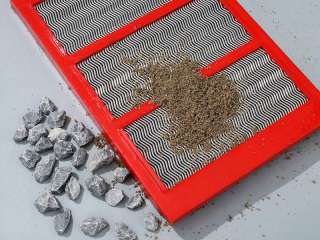
Self-cleaning screens were designed for exactly this mess Their application in anti-caking roles goes beyond just staying open; it s about keeping gradation sharp and throughput honest over long shifts
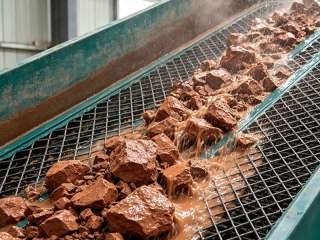
A conventional screen clogs within hours and turns your washing circuit into a bottleneck That s why the design of an anti-clogging self-cleaning screen structure matters so much
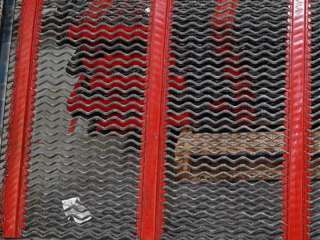
Self-cleaning screens with proper anti-blinding design tackle this head-on — but only when the engineering is right Cheap retrofits don t cut it; you need a system built around the material s actual behavior
