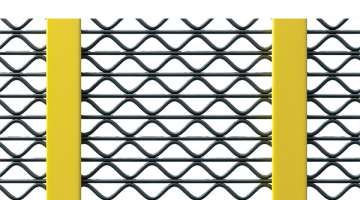
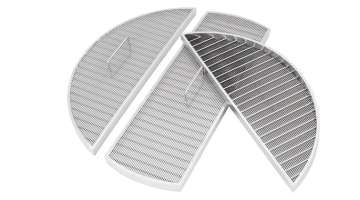
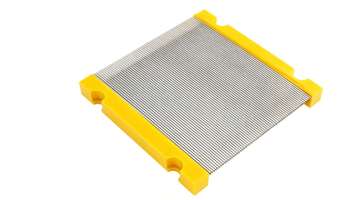
Anti-sticking and Corrosion Resistance Requirements for Woven Mesh Used in Compound Fertilizer Granules Screening
Screening compound fertilizer puts woven wire mesh through its paces. Unlike plain rocks or sand, fertilizer granules soak up water from the air, chew through metal, and stick to just about anything. That means the mesh you use can’t just separate particles—it has to shrug off sticky granules and stand up to strong chemical attack from salts and acids. This isn’t some technical footnote. If your mesh can’t handle these challenges, expect short screen life, poor product quality, and lots of downtime.
Why Fertilizer Sticks in the First Place
Most blends have things like urea and ammonium nitrate, which grab moisture from the air and form a tacky surface. So, as soon as these granules hit an ordinary metal mesh, they start gluing themselves down. Before long, you’ll have a solid cake blocking your screen. The answer is to use a mesh that doesn’t let particles cling in the first place. Polyurethane or rubber-coated meshes work well because their slick, water-repellent surfaces make it hard for granules to hang on. If you’re set on using metal mesh, go for one that’s been polished smooth or coated with something truly non-stick, like PTFE, so you still get that easy-release surface.
Why Moisture-Laden Granules Make Ordinary Mesh Fail Faster
Compound fertilizer granules rarely arrive at the screener completely dry and free-flowing, especially after conditioning, coating, or humid storage, and that small amount of surface moisture changes everything about how material interacts with the deck. Fine particles begin to plate onto wire intersections, damp granules bridge across openings, and what started as a 4 mm aperture slowly behaves like a 3 mm aperture until rated capacity drops and oversize material contaminates the on-spec fraction. An ordinary carbon steel woven wire screen may look strong on paper, yet the moment fertilizer salts dissolve into the surface film, micro-corrosion pits form exactly where material sticks, creating rough edges that catch even more product. The screen no longer fails because it is thin or weak, but because the surface chemistry and particle adhesion feedback loop were ignored during selection. Plants that track downtime honestly usually find the same pattern: cleaning frequency rises first, screen life falls next, and product quality complaints follow. Treating anti-sticking as a surface-engineering issue instead of a “just knock it with a hammer” issue is the first step toward stable screening.
Material Grade and Surface Conditioning That Keep a Woven Screen Self-Cleaning
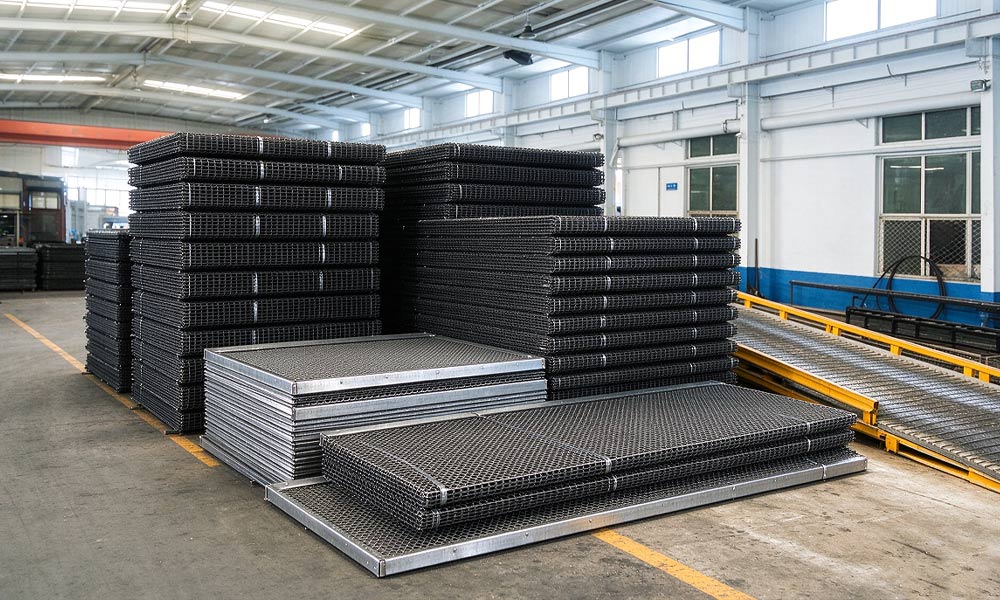
The reason high-grade stainless and specially finished meshes perform better in fertilizer duty is not marketing—it is physics plus electrochemistry, since smoother wire surfaces give granules fewer anchor points while alloy composition resists the chloride, sulfate, and ammonium-rich liquor found in NPK circuits. A 304 or 316L woven wire screen is not automatically the answer for every plant, because urea-based fumes, high chloride coatings, and coastal humidity all shift the risk profile, yet these grades still remove a large share of the rust-related failures seen with plain steel. Beyond alloy choice, surface condition matters just as much: calibrated crimping, uniform weave tension, polished or passivated wire, and consistent aperture geometry reduce the tiny ledges where sticky fines accumulate. Some operations also benefit from slightly modified wire cross-sections or surface treatments that lower friction without compromising strength, because the goal is not a slippery toy surface but a deck that sheds moist granules instead of hugging them. When engineers ask why two screens with the same mesh count last three times differently, the answer is usually hidden in metallurgy, crimp accuracy, and whether the supplier understood that fertilizer screening is a chemical environment with moving parts, not a dry aggregate sieve.
Corrosion Mechanisms and How They Shorten Screen Life
Corrosion in compound fertilizer plants is rarely the dramatic orange rust you see on a warehouse roof; it is quieter, more localized, and far more expensive because it attacks the load-bearing cross-section of each wire while nobody is watching the screen. Ammonium nitrate, monoammonium phosphate, diammonium phosphate, potassium chloride, and recycled fine dust create a conductive paste on the deck, and vibration keeps abrading the passive layer so fresh metal keeps getting exposed. A woven wire screen running in this zone faces crevice corrosion at wire crossings, pitting from chloride exposure, intergranular attack if heat treatment was poor, and mechanical wear that opens the door for corrosion to accelerate.
The Silent Killer: Chemical Corrosion
But honestly, sticking is not your only enemy—corrosion is even nastier. Some salts will eat right through regular carbon steel, especially when things get humid. You’ll see pitting, rust, and eventually broken wires. That’s why 304 or 316 stainless steel is the go-to: these alloys have enough chromium to create a tough, invisible barrier that keeps the chemical attack at bay and protects the structure of your mesh for the long haul.
The Ideal Mesh: A Dual-Performance Solution
So, what’s the ideal mesh? The best solution combines both strengths: a stainless steel core for corrosion resistance, plus a thin, tough polymer coating for a non-stick surface. This “hybrid” mesh lasts longer and stays cleaner, as the coating fights caking and the steel survives corrosive environments. Just make sure the coating’s bonded tightly to the wire so it doesn’t peel off under all that wear.
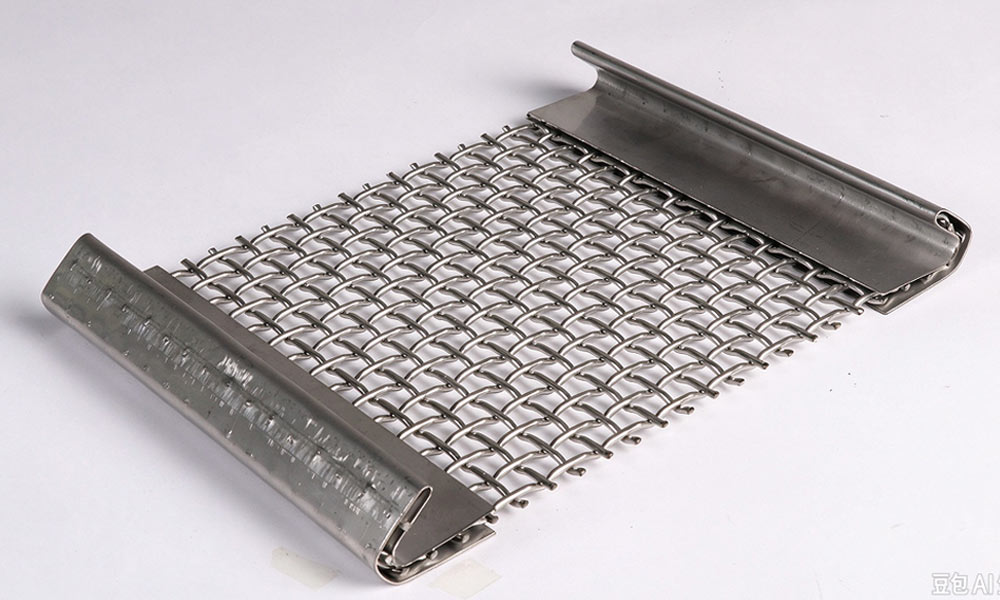
Skimping on the right mesh costs more in the end. If you pick carbon steel, it’ll rust out fast. Leave stainless steel uncoated, and it’ll clog with fertilizer cakes. You need a screen that matches the chemical mix of your fertilizer and the conditions in your plant. Let us know what’s in your blend and what your humidity’s like, we’ll help you pick a mesh that keeps your screening line running smooth and clean.