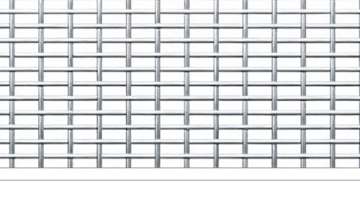
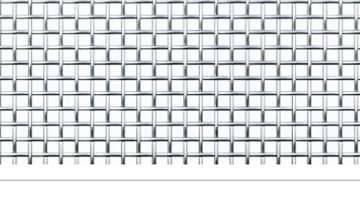
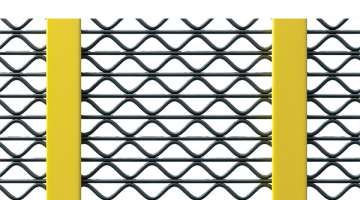
Rust-resistance performance of hot-dip galvanized woven wire screen in outdoor open-pit mines
Hot-dip galvanized woven wire screens are everywhere in open-pit mines. They’re supposed to stand up against the harsh elements—but let’s be real, mining throws a lot more at them than a gentle breeze or a little drizzle. Acidic runoff? Rough, sharp ore churning against the mesh? Around-the-clock vibration and stress? That’s the real battlefield for rust-resistance, and the zinc coating gets pushed to its limits fast. The key is figuring out where this coating shines, where it starts to wear out, and how that affects your operation’s bottom line. Nobody wants to rip out screens early and put their workflow on hold.
The Zinc Shield: How It Works and Where It Shines
The secret is the hot-dip process. You dunk steel wire into a bath of molten zinc, and the result is a solid zinc-steel bond. That top layer doesn’t just block water and air—it sacrifices itself first if corrosion shows up. In relatively gentle environments—say, dry quarries with neutral pH soils—that zinc layer can last 10 to 15 years. It wraps every twist and crossover in the woven wire mesh, offering solid, uniform protection.
What the zinc actually protects against
Hot-dip galvanizing works by sacrificing itself: zinc oxidizes and forms zinc hydroxide, carbonate, and eventually a stable patina that shields the steel longer than paint ever could, so a galvanized woven wire screen shrugs off morning dew, splash from haul-road puddles, and the thin film of moisture that forms under screened ore on a humid shift. In a dry inland pit with low chloride and low sulfide, that protection is excellent—the mesh can run seasons with only minor white rust at cut edges and almost no loss of aperture accuracy. The trouble starts when the open pit is not friendly: pyrite-bearing waste rock makes acidic mine drainage, seawater ballast or coastal fog dumps chloride, ammonium nitrate from blasting residues lingers as soluble salts, and the screen frame holds water against the wire long enough for the zinc to be consumed in one localized spot. Once the coating pinholes or gets scratched by a sharp rock at the feed lip, the steel underneath becomes the anode, the surrounding zinc becomes the cathode, and you get a small but stubborn rust bloom that grows faster than the catalog promised. A galvanized woven wire screen is not magic; it is a timed defense, and the timer length depends on coating mass in grams per square meter, not on the word "galvanized" printed on the invoice.
Where the rust really starts in a pit
In open-pit service the rust rarely begins in the middle of the panel, because that part is busy getting abraded and flexing under vibration, while the corrosion usually picks the lazy spots: the crimp intersections where moisture wicks, the hook strip and clamp rail where the coating was compressed or damaged during tensioning, the cut edges where fresh steel was exposed during trimming, and the bottom of the deck where mine water pools instead of draining. A woven wire screen with a fat zinc coating still fails early if the support bars are spaced so wide that the panel drums, the deck angle is so flat that fines and water ride the surface, and the spray bar keeps the mesh wet twenty-four hours a day without ever letting it dry and re-passivate. Abrasion is the silent partner of rust: every lump of basalt, iron ore, or granite that scrapes the wire thins the zinc a little, and once the steel shows, the same moisture that used to be harmless becomes the start of pitting. Good open-pit installations therefore treat rust resistance as a system—heavier galvanizing for the feed zone, sealed or capped edges, drainage-friendly deck angle, polyurethane wear caps on clamp rails, and a changeout plan that pulls the panel before the red creep reaches the load-bearing crimp.
Galvanized vs stainless vs coated in mine service
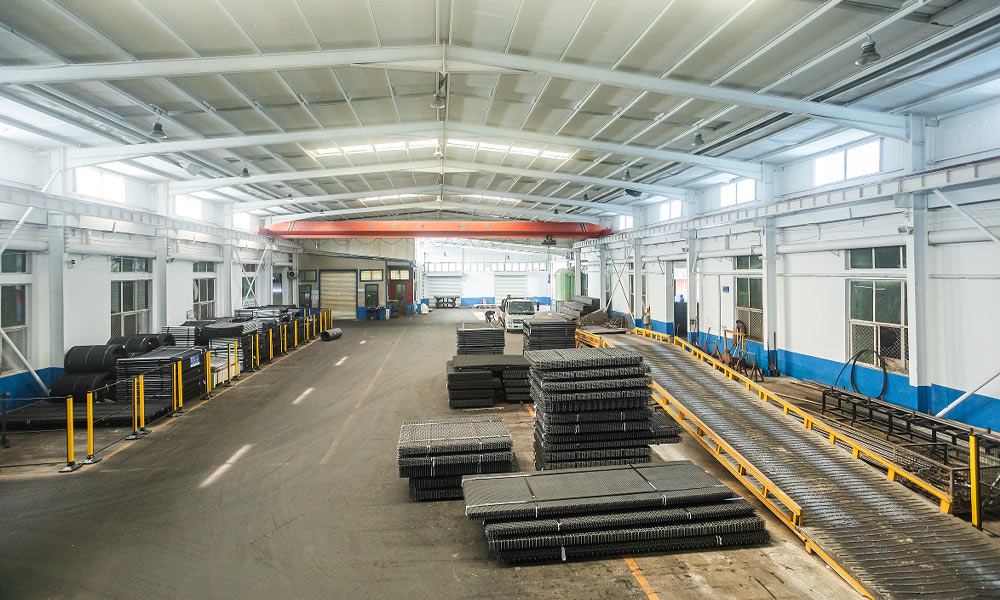
Buyers love to ask "is galvanized enough," but the honest answer is "enough for what atmosphere," because a galvanized woven wire screen wins on price and decent all-round protection, stainless wins on life in chloride and acidic drainage but hurts the budget, and polymer-coated or PU-strip mesh wins on stickiness and partial corrosion protection but can hide wire fatigue underneath the coating. In a dry, dusty, inland open pit screening blasted rock with low sulfur and low salt, hot-dip galvanized mesh is often the smart choice: cheaper than 304/316, far better than bare steel, and good enough that the limiting factor becomes abrasion and impact rather than rust.
Open-Pit Reality: The Triple Attack on Zinc
Hot-dip galvanized woven wire screen isn’t invincible here. It faces a three-pronged attack. One: acidic water from sulfide ore or acid rain chews it up in no time. Two: all that flying, scraping rock grinds the zinc down, leaving bare steel underneath. Three: constant shifts between wet and dry conditions accelerate corrosion, especially where the coating is thin or barely there at all. Once breaches appear, the steel beneath starts to rust, and failure creeps out from weak spots fast.
Performance Benchmarks and Failure Modes
If you’re running an open-pit operation for iron or copper, don’t expect the screen’s rust resistance to last forever. You’ll probably get two to five years of good service from a standard hot-dip galvanized wire woven screen before the first real failure. Problems usually pop up at crossover points or cut edges, and if you see white, chalky powder on the wires, that’s your warning sign—zinc is breaking down. Let it go further and red rust appears, quietly eating away at strength long before you notice a dramatic break. And by then, structural integrity could be down by 30% without any obvious warning.
Maximizing Lifespan in a Harsh Environment
So, what helps? Go for a heavier zinc layer if you can. Adding a polymer or paint coating over the zinc buys extra time. Most important of all: inspect your metal woven mesh regularly, and patch up damage before rust sets in.
If you understand your mine’s specific risks and you plan around the expected service life of your screens, you stay ahead of nasty and expensive surprises. Tell us about your site—what you’re mining, your climate—and we’ll help you nail down a realistic lifespan and find the coating that’ll stand up best on your ground.