Application of Self-cleaning Screens in the Fine-particle Classification and Anti-caking of Quartz Sand
Quartz sand producers know the pain—feed runs wet, fines stick together, and screens blind before lunch. Fine-particle classification of quartz sand demands tight cuts, but moisture and surface tension turn 0.1mm particles into clumps that mock your aperture size. Self-cleaning screens were designed for exactly this mess. Their application in anti-caking roles goes beyond just staying open; it's about keeping gradation sharp and throughput honest over long shifts.
Why Quartz Sand Is Trickier Than It Looks
Most people think quartz is inert and easy to handle. However, at least when it's wet. Silica surfaces develop hydrogen bonding with water molecules, and fine fractions below 75 microns form agglomerates that resist breakup. During classification, these clumps masquerade as oversize material and skew your cut point. Without an anti-caking mechanism, even a well-tensioned self-cleaning screen will accumulate a gummy layer within hours, especially in humid climates or recycling water circuits.
What Makes Self-Cleaning Screens Different Here
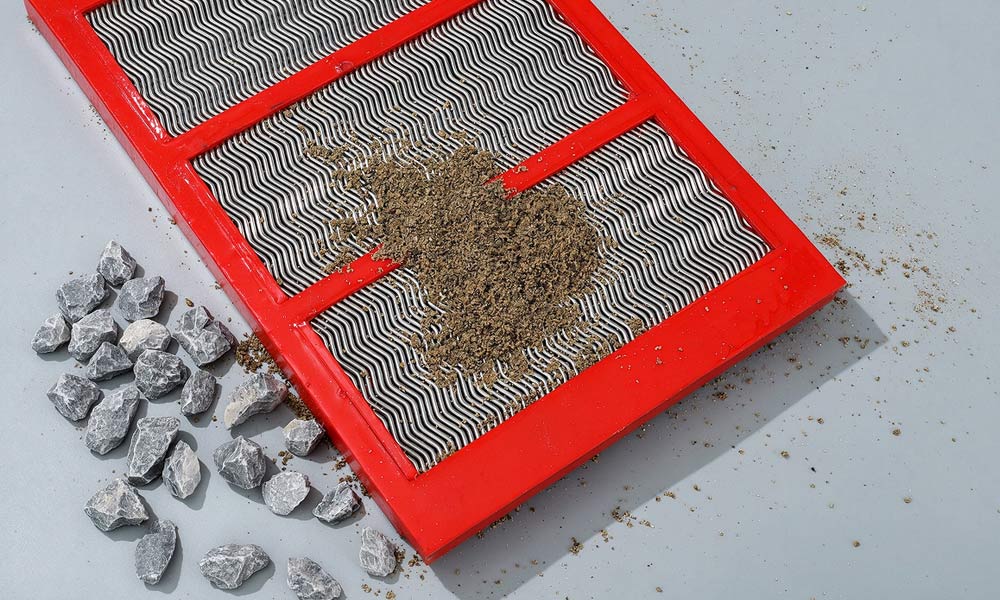
The application of self-cleaning screens in quartz sand processing typically involves polyurethane or rubber panels with engineered slot geometries which is wide entry, narrow exit and angled walls at 10-20 degrees. High-frequency vibration keeps particles bouncing rather than settling. Some setups add air knives or ultrasonic transducers beneath the deck to break surface tension bonds. The result? Apertures stay functional and classification accuracy holds within 3% of target.
Anti-Caking Strategies That Actually Stick
Beyond mechanical action, hydrophobic surface coatings prevent moisture films from forming on the screen face. Periodic reverse-pulse air blasts dislodge stubborn fines without stopping production. For recycle-water operations where quartz sand sees the same water repeatedly, these layered approaches cut maintenance frequency by half compared to plain wire mesh.
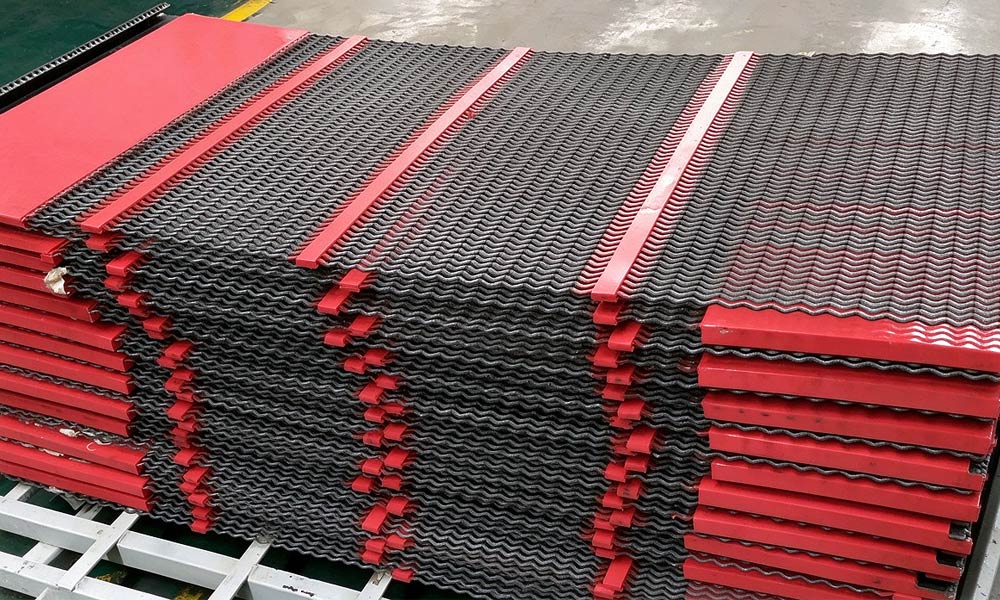
Self-cleaning screens aren't magic, they work when matched to your quartz sand's moisture, gradation, and throughput needs. Tell us what you're running and we'll help you pick a screen that classifies clean and doesn't cake up on you.