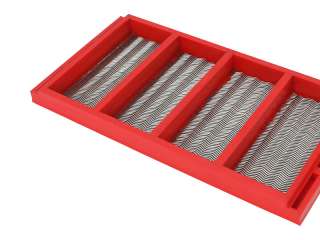
When selecting self-cleaning screens, it is essential to understand their pricing and overall cost-effectiveness beforehand Prices vary depending on material, specifications, and quality
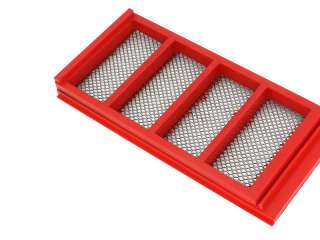
Standard screens really don’t stand a chance here That’s where self-cleaning screens come in They’re built for these exact conditions, using clever design and smart materials to keep things moving, even when the going gets gummy
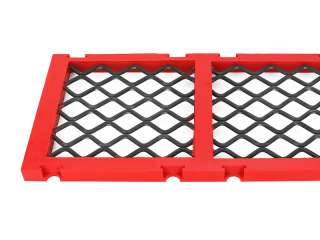
The deployment of self-cleaning screens specifically engineered for this duty offers a powerful countermeasure Their design directly targets the root causes of material caking
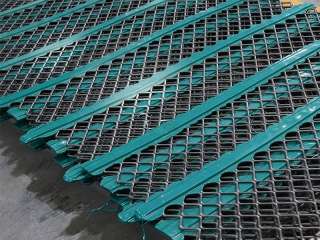
The fine screening of iron ore is notoriously difficult, primarily due to the material s tendency to blind screens Moisture, ultra-fines, and clay bind together, clogging apertures and crippling throughput
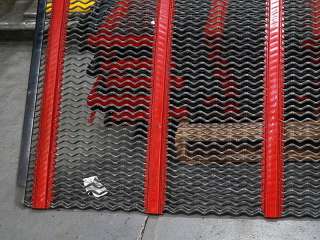
Integrating modern self-cleaning screens into existing equipment is a cost-effective way to boost efficiency A successful retrofitting scheme ensures compatibility with your current vibrating screen frames
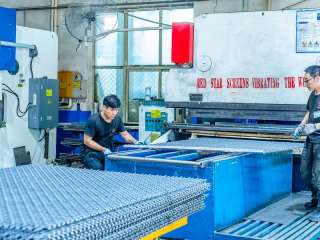
Producing high-purity quartz sand for solar panels or semiconductors requires screening that protects product integrity The woven metal screens used are critical quality gates, and their performance depends on two key choices
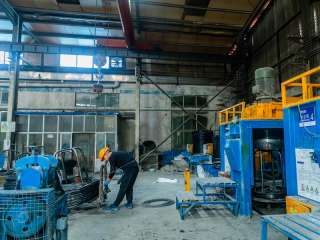
For factories operating in harsh environments, proper maintenance of screens can significantly extend their service life; protecting wedge-wire screens from corrosion is particularly important
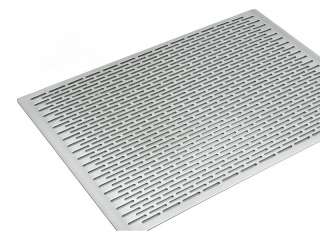
Implementing a tailings dry-stacking system hinges on efficient solid-liquid separation, where the wedge-wire screen is a critical component
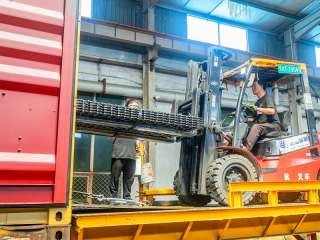
Choosing the right screen for mineral processing requires matching the equipment to the specific challenges of your ore s hardness Soft, clay-rich ores cause blinding and sticking, while hard, abrasive rocks lead to rapid wear
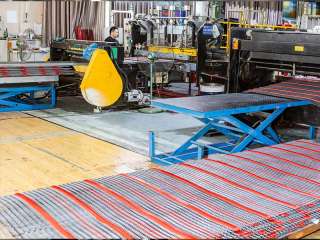
With standard screens, you’ll notice they get blocked fast—especially with clay-rich slurries, water stops flowing and the whole process grinds to a halt That’s why self-cleaning screens are essential
