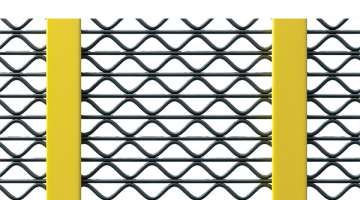
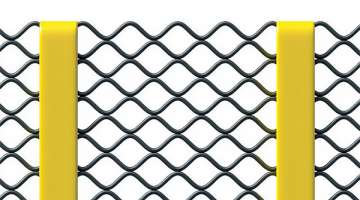
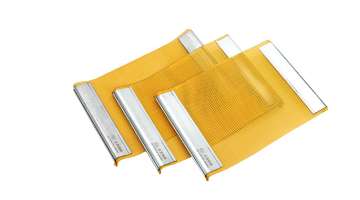
Price Ranges and Value Ratios for Self-Cleaning Screens of Various Specifications
Anyone who has ever opened a quote pack for screening media knows the number on the page rarely tells the whole story, and with a Self-Cleaning Screen the gap between sticker price and real value can be wide enough to drive a loaded conveyor through. A polyurethane-deck panel might look cheaper than a hybrid wire-rubber screen at first glance, but if it blinds less in sticky fines, cuts bar-whacking labor, and stays in service three times as long, the “expensive” panel can quietly become the cheapest thing on the plant ledger. Prices swing not just because of size, but because of material system, aperture geometry, wire or strand profile, tensioning style, deck position, and how hostile the feed really is—moist coal, clay-bound phosphate, sticky bauxite, and high-frequency frac sand all ask completely different things from the same category name. The point of this article is not to hand over a fake price list and call it research, but to show how specification drives cost, why value ratio matters more than unit price, and how a buyer can stop comparing screens like bags of bolts and start comparing them like process investments.
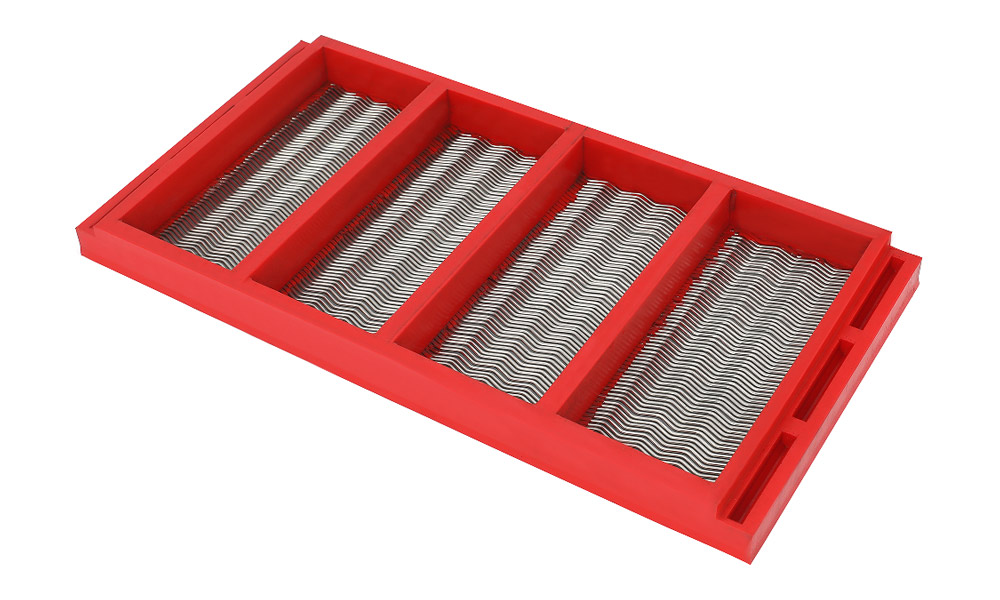
Entry-Level Self-Cleaning Screens: Cheap to Buy, Expensive to Live With
The budget end of the Self-Cleaning Screen market is usually where plants learn hard lessons, because the panels are often standardized polyurethane or basic crimped-wire combinations quoted by the square meter with little attention to deck dynamics. In many regions you will see small-format poly panels or simple flex-strand meshes positioned as “low-cost self-cleaning,” and they do work in easy duties—dry, free-flowing aggregates, coarse scalping, low-moisture chips—where blinding is mild and the screen is not asked to protect a tight product spec. The trap is that the same panel dropped into a humid sizing deck starts pegging within shifts, the strands lose tension, the apertures drift, and maintenance ends up pulling panels early while production complains about oversize contamination. So the value ratio here is not terrible, it is duty-bound: an entry-level Self-Cleaning Screen can be excellent if the application is kind, and ruinous if the buyer treats “self-cleaning” as a magic label rather than a mechanism. The smarter purchasing question is never “what is the cheapest panel I can install,” but “what is the cheapest panel that will still be open next Tuesday when the ore is wet.”
Mid-Range and Engineered Specs: Where Price Starts to Explain Itself
Move up one tier and the Self-Cleaning Screen stops being a commodity and becomes a designed component—modular polyurethane with tuned strand stiffness, wire-rubber hybrids with reinforced edges, slotted apertures shaped for near-size material, and frames or cassettes built for a specific vibrator stroke and deck angle. This is the band where price ranges widen the most, because two panels that look identical in a photo can differ in polymer grade, UV and heat stability, wire temper, crimp lock quality, bond strength between rubber and insert, and whether the supplier actually modeled aperture flex under your feed load. In sticky phosphate, moist coal, or fine iron ore, a mid-range Self-Cleaning Screen often pays for itself through fewer cleanings, steadier gradation, and lower changeout labor, even if the invoice is two or three times the bargain option. The value ratio improves not because the material is fancier for its own sake, but because the screen finally matches the physics: the deck flexes where it should, the sticky fraction gets rejected, and the plant stops buying labor hours disguised as “screen maintenance.” Buyers who track cost per screened ton usually find their best stories in this tier, not at the bottom.
Heavy-Duty and Custom Self-Cleaning Systems: Paying for Uptime, Not Just Metal
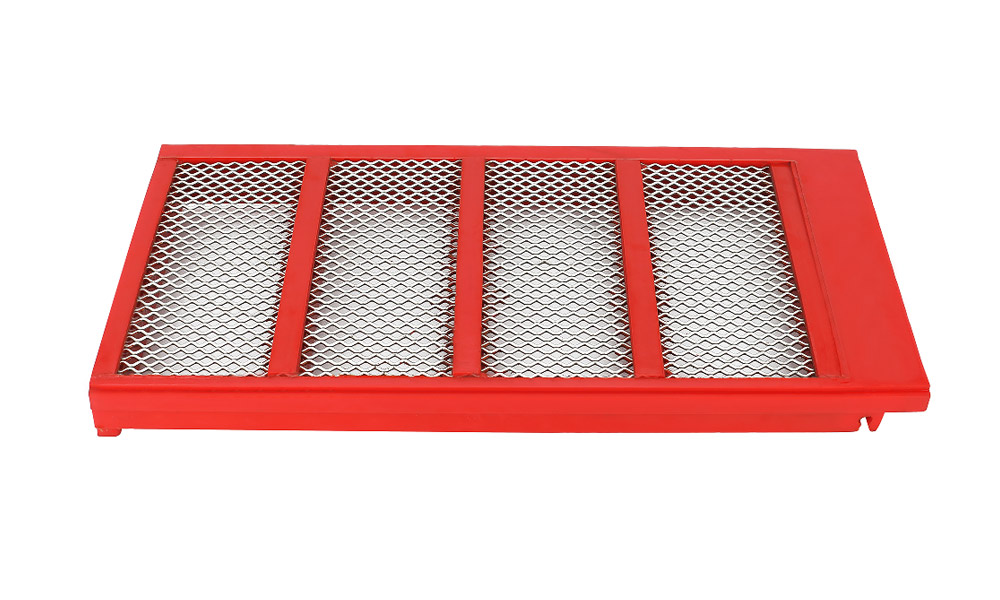
At the top of the range, a Self-Cleaning Screen is less a panel and more a process subsystem: custom cassette decks, dual-durometer polyurethane, ceramic-reinforced wear zones, hybrid wire-and-elastomer constructions, sealed edge terminations, and sometimes fully engineered decks supplied with support-bar layouts and tensioning hardware. The price can look intimidating, especially next to a warehouse special, but in crushing circuits, mineral beneficiation, recycled aggregates with rebar and glass, or high-frequency fine sizing, the downtime avoided often dwarfs the panel cost. A custom Self-Cleaning Screen may cost several times more upfront and still deliver a stronger value ratio because it removes unplanned stoppages, protects crushers and mills downstream, holds aperture accuracy under abuse, and lets a lean crew run the plant instead of babysitting the screen. The mistake here is evaluating the quote like a spare-part purchase; the correct lens is lifecycle economics—installation hours saved, tons screened per changeout, grade compliance improved, scrap and re-handle reduced. When the circuit is bottlenecked on sizing, the screen is not a consumable, it is insurance with holes in it.
If your operation keeps recycling the same argument—“the cheap Self-Cleaning Screen won again, now why is the deck blinded again”—the problem is not the supplier, it is the evaluation method, because square-meter price hides the only number that matters: cost per screened ton under your real feed conditions. Before the next purchase, write down moisture range, clay or fines content, top size, near-size load, deck position, vibration type, cleaning method, and how many hours your crew spends whacking or scraping the current deck, then ask suppliers to quote against that story instead of a generic mesh count. A credible partner will explain why a mid-range hybrid may beat a cheap poly panel, why a heavy-duty cassette may bury a mid-tier option on total cost, and where a budget Self-Cleaning Screen is actually the right call for a low-risk scalper. Request trial panels, measure aperture drift, blinded area, changeout time, and product spec compliance, and let the value ratio—not the headline price—decide the winner.