Retrofitting Scheme for the Compatibility of Self-Cleaning Screens with Existing Vibrating Screen Frames
Integrating modern self-cleaning screens into existing equipment is a cost-effective way to boost efficiency. A successful retrofitting scheme ensures compatibility with your current vibrating screen frames through a systematic assessment and adaptation process.
Step 1: Frame Assessment and Precise Measurement
The retrofit begins with a thorough audit of the existing frame. Beyond measuring the deck opening's length and width, key details include: Attachment System: Documenting the exact type, pattern, hole sizes, and spacing. Support Structure: Noting the size and condition of underlying support beams. Deck Condition: Checking for wear, warping, or damage on side plates and backplates that could affect panel seating.Accurate data determines if new self-cleaning panels can be a direct fit or if adapters are needed.
Step 2: Selecting Panels and Adaptation Methods
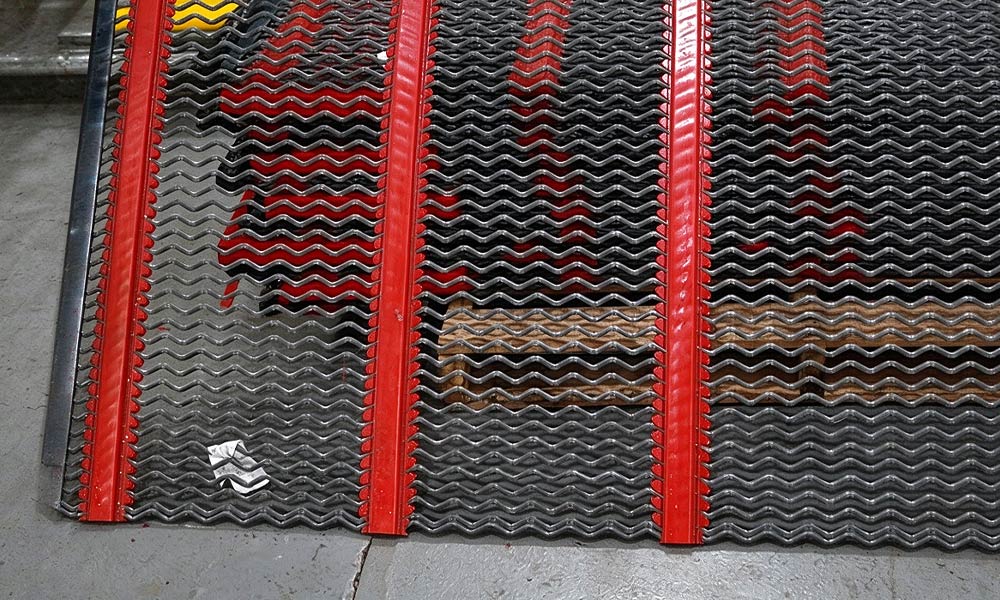
Based on the assessment, a compatible self-cleaning screen is chosen. The core task is matching its attachment to the frame. Common solutions include:Direct Bolt-On: New panels are manufactured with bolt holes matching the existing pattern. Adapter Rails: Steel rails are welded or bolted to the old frame, creating a new mounting interface for the modern panels. Hybrid Approach: Utilizing existing hook strips alongside new tensioning components.
Step 3: Validating Operational Compatibility
Physical fit must be paired with operational suitability. The scheme must verify that:The vibration of the self-cleaning screen is appropriate for the new panel's design.The feed rate and material type align with the panel's capacity and aperture design.The total weight of the new assembly is within the frame's structural limits.
Reading the Old Frame Before Trusting the New Panel
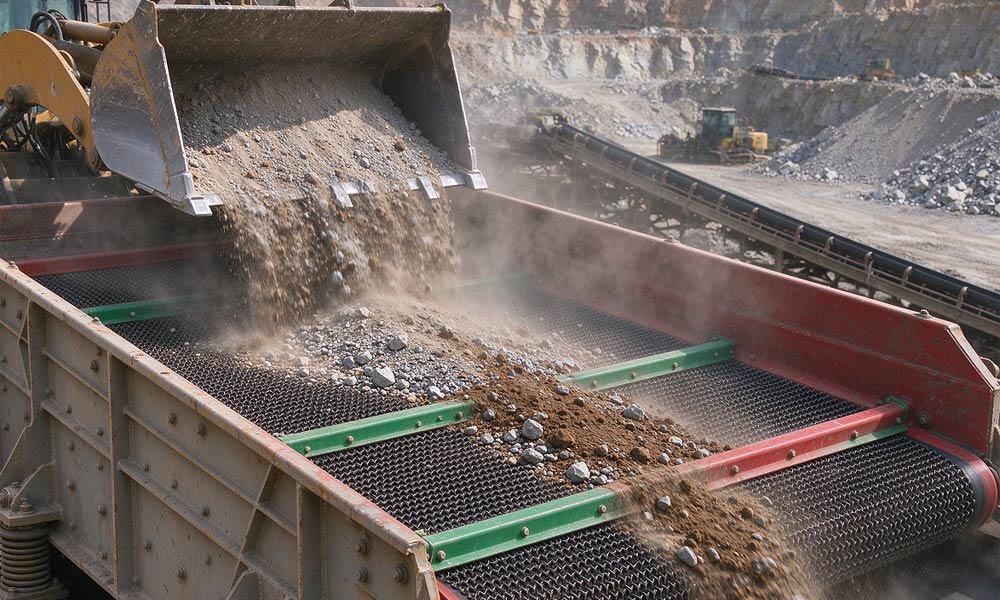
The first mistake in any retrofit is treating the frame as a neutral backdrop, when in reality an aging vibrating screen is a list of small betrayals: bent stringer bars, rounded support edges, hook rails that no longer grip, loose rivets, cracked side plates, and a drive that has drifted a few degrees off its original ellipse. A Self-Cleaning Screen depends on controlled local movement, so if the frame offers uneven support, the panel will flex where it should be stiff and stay stiff where it should flex, which produces premature strand fatigue, edge tearing, and blinding that looks exactly like a “bad screen” but is really a bad host. The retrofit therefore starts with a frame audit: measure support-bar pitch, check deck parallelism, inspect the tension rails, record vibration amplitude and direction, and photograph where old panels wore out. Only after that does the Self-Cleaning Screen specification make sense, because the same polyurethane flex-strand panel can be brilliant on a well-supported cassette and useless on a sagging two-deck frame with bars spaced for plate punching. The old machine is not the enemy; it is the constraint that decides which self-cleaning geometry is allowed to survive.
Hooks, Cassettes, Adapters, and the Quiet War Over Preload
Nobody buys a Self-Cleaning Screen for the hardware, yet the hardware is usually where retrofits live or die, because old frames were rarely designed for the preload and micro-movement that elastomer or crimp-wire panels need. Hook-strip panels may not seat on rails meant for heavier woven mesh, cassette systems may clash with side-plate clearance, and bolt-on adapters can introduce crevices, galvanic mismatch, or extra mass that shifts the machine’s natural frequency. A workable retrofitting scheme often uses purpose-built interface pieces—retrofit cassettes, clamp bars with controlled torque, edge reinforcements, or segmented panels that map to the existing bay layout—so the Self-Cleaning Screen is held firmly at the edges but free to breathe across the working face. Preload discipline matters more than people expect: under-tensioned self-cleaning strands slide and fret at the clamp, over-tensioned ones lose their anti-blinding bounce and behave like rigid mesh with extra cost. The retrofit engineer’s job is to make the old frame “speak self-cleaning” by giving the panel a honest boundary condition, not by hoping the new product forgives a frame that was never invited to the conversation.
Tuning the Machine Around the Panel Instead of Forcing the Panel to Obey
Putting a Self-Cleaning Screen into an old frame is not a one-way adjustment—sometimes the panel must adapt, but often the machine has to be reminded how to move. Deck angle, feed box location, discharge lip, counterweight setting, and stroke direction all decide whether sticky fines get carried forward or recycled into the same row of openings until pegging starts. A retrofit scheme that ignores vibration tuning is like fitting racing tires to a tractor and blaming the tires for the ride; the Self-Cleaning Screen may want a slightly different orbit, a gentler feed impact, or a support pitch that lets each strand flex uniformly, and the existing exciters may need re-positioning or re-weighting to deliver that. Support-bar modification is also fair game: raising, lowering, chamfering, or re-spacing bars can turn a hostile frame into a friendly one without replacing the whole screen box. The plants that succeed treat retrofitting as a small system upgrade—frame inspected, interface redesigned, panel specified, vibrator tuned, feed zone protected—so the Self-Cleaning Screen finally does what the brochure promised instead of becoming the newest thing the night shift swears at.
A well-planned retrofitting scheme is a strategic upgrade that extends asset life and enhances performance. By systematically assessing the frame, selecting the right adaptation method, and validating operational parameters, plants can successfully integrate self-cleaning screens into existing vibrating screen frames. This approach minimizes downtime and capital expenditure while delivering the benefits of reduced blinding and higher throughput.