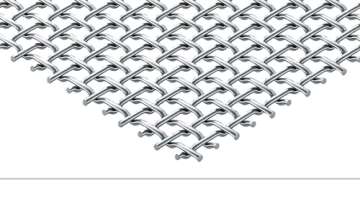
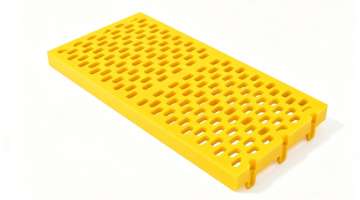
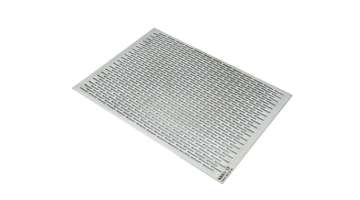
Selection of Material and Mesh Count for Woven Metal Screens in High-Purity Quartz Screening
Producing high-purity quartz sand for solar panels or semiconductors requires screening that protects product integrity. The woven metal screens used are critical quality gates, and their performance depends on two key choices: the wire material and the mesh count. A poor selection risks metallic contamination, inconsistent particle size, rapid wear, and product rejection. For quartz processors, choosing the right screen is a direct investment in final product quality and process stability.
Material Selection: The First Defense Against Contamination
Preventing metallic contamination is the top priority. Stainless steel, particularly grades 304 or 316L, is the standard for its corrosion resistance and strength. However, for the most stringent applications where even trace iron is unacceptable, woven metal screens of polyurethane-coated stainless steel or those made from specialized nickel-based alloys are essential. The coating or alloy acts as a barrier, preventing abrasive quartz particles from contacting the base metal, thereby preserving the sand's chemical purity.
Wire Material: Purity Defense Comes Before Wear Bragging Rights
The instinct in abrasive duty is to reach for the hardest alloy in the catalog, but in high-purity quartz that move can backfire, because a manganese spring-steel or hardened-carbon Woven Metal Screen may outlive stainless in a quarry yet slowly bleed iron into a product where 30 ppm of Fe₂O₃ can downgrade crucible-grade material to ordinary glass sand. Austenitic stainless—304 for dry, clean, non-corrosive indoor classification and 316L where any chloride, process moisture, or acidic wash water is present—remains the baseline for purity-sensitive circuits, with 316L’s molybdenum giving the pitting resistance that matters when the deck sees humidity, scrubber return, or caustic/acid cleaning cycles. For ultra-low-iron targets, the smarter fixes are barriers rather than hero metals: electrolytically polished 316L to lower surface roughness and trapped-fines adhesion, polyurethane- or ceramic-lined impact zones so the sand never hammers bare metal at the feed lip, and in some specialty lines nickel-based or magnetic-catch screen systems that trap fragments if a wire ever breaks.
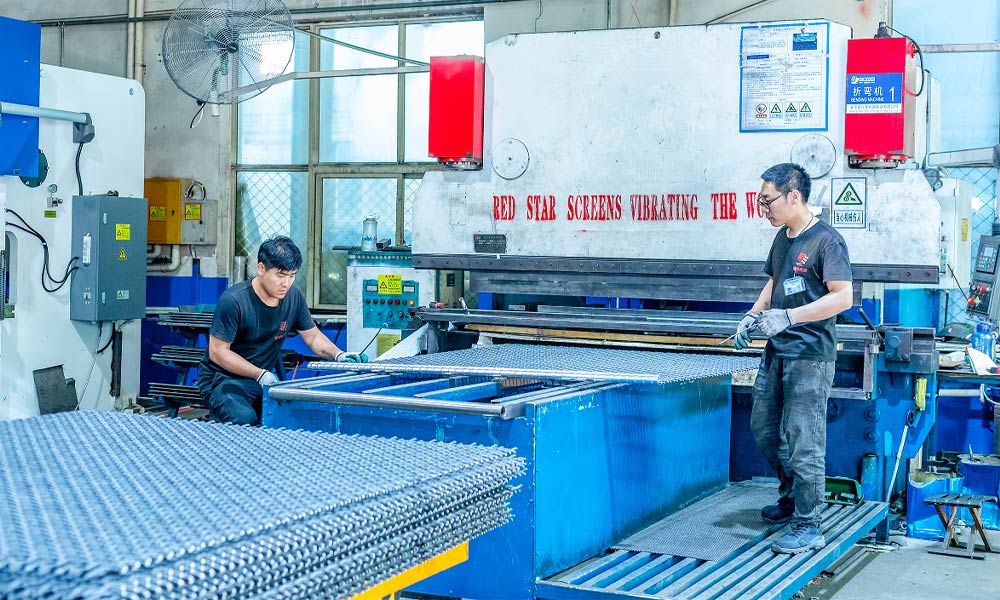
Three-Way Argument Between Cut Point, Capacity, and Blinding
Mesh count sounds like a simple number until the plant argues about it at 11 p.m., because “200 mesh” does not mean “74 micron particles magically separate”—it means 200 openings per linear inch, with the actual aperture set by wire diameter, weave, and ASTM E11or ISO 3310tolerance, so two 200-mesh cloths from different suppliers can size differently if nobody controls the wire gauge. Coarse quartz for glass batch or filtration might sit at 20–80 mesh (841–177 µm), semiconductor and crucible feed often lives in the 100–325 mesh band (149–44 µm), and anything finer than 325 mesh starts behaving like a powder problem where a plain Woven Metal Screen blinds from electrostatic cling, near-size bridging, and ultrafine slime unless ultrasonic de-blinding, tumbler motion, or Dutch/twill weaves enter the picture. Raise the mesh and you buy precision but surrender open area: the wires get thinner, the deck gets shy about tonnage, and sharp quartz chews the crown until a hole turns into a slit.
Weave, Finish, and the Small Details That Keep the Certificate Valid
A high-purity quartz circuit is where plain square weave, twill, and Dutch weave stop being academic choices, because plain weave is clean and inspectable but wobbles at fine mesh under heavy vibration, twill stabilizes finer cloth by letting thicker wires cross diagonally, and Dutch weave trades open area for tightness and is better thought of as a filtration cloth than a high-throughput quartz sizer. Surface finish is the part most purchasers skip: an electropolished Woven Metal Screen has fewer micro-crevices for fines to lodge in, rinses faster between grades, and lowers the odds that yesterday’s 200-mesh campaign contaminates today’s 325-mesh crucible sand. Tensioning and edge construction matter just as much—quartz fines will find a loose panel and fret the hook strip until stainless dust enters the stream, so the screen must be tensioned to the frame, gasketed with non-metallic seals where ultra-low iron is required, and changed before the crown wears thin enough to shed wire fragments no magnet can fully forgive. Even the cleaning method is a material decision: brass brushes and air lances are kinder than steel scrapers, ultrasonic de-blinding protects fine mesh better than bouncing balls in sensitive grades, and any maintenance step that throws mechanical iron onto the deck has to be treated as a contamination event rather than routine housekeeping.
Mesh Count: Defining the Final Product Specification
When selecting the count of wire woven mesh, the number of openings per linear inch—directly controls the final particle size. A higher count means smaller apertures and a finer product. Selection must precisely match the target specification; for instance, a 70-mesh screen retains particles larger than 212 microns. It's also vital to understand that screens have a "nominal" aperture, with actual size varying. For tight tolerances, specifying a "mill grade" over a "market grade" weave ensures greater consistency in the separated sand.
Balancing Throughput, Wear, and Operational Challenges
Choosing mesh count involves balancing competing factors. A very high count mesh gives precise cuts but drastically reduces throughput and increases the risk of blinding from near-size particles. A coarser woven metal mesh boosts capacity but may compromise purity. Furthermore, the finer wires used in high-mesh screens are more vulnerable to abrasive wear from hard quartz. Here, material selection is key; opting for a more wear-resistant alloy or a specific weave can extend service life despite the fine aperture.
Weave Pattern and Finish for Enhanced Performance
The weave pattern and surface finish are additional refinements. While a plain square weave is common, a twilled weave offers better stability for finer meshes. A smooth, polished surface finish on the wire woven panel reduces friction and particle adhesion, helping to minimize blinding and maintain consistent flow, which is crucial for achieving uniform product quality over long production runs.
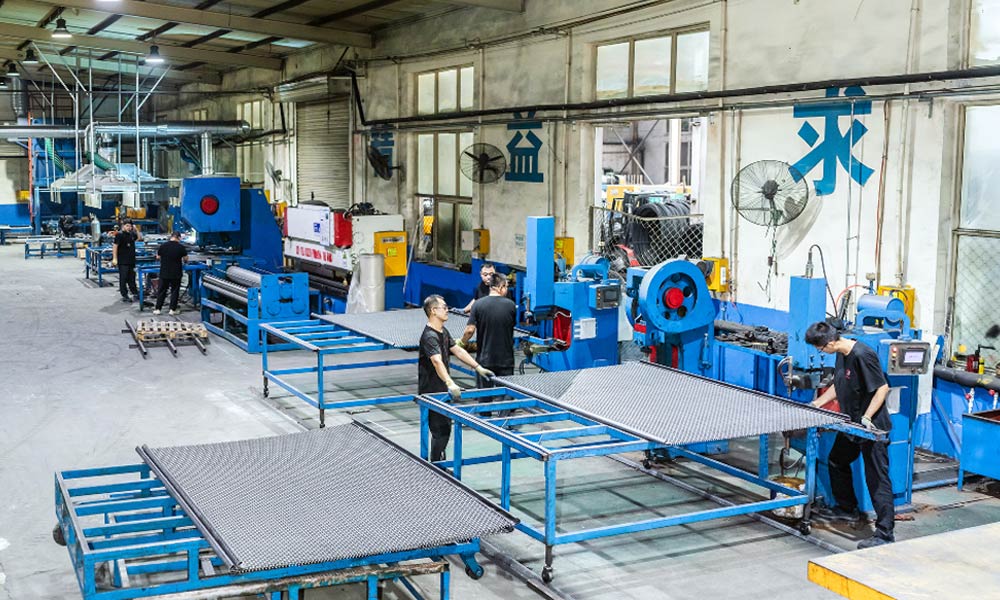
Choosing the right woven metal screen isn't just about picking something off the shelf —it's a real balancing act. You need a material that won’t contaminate your product and a mesh count that filters out exactly what you want. Deciding where to give a little, like capacity or durability, to get what matters most. If you dig into what the process actually needs and know your feed characteristics, you can nail down a screen that keeps your product clean and consistent.