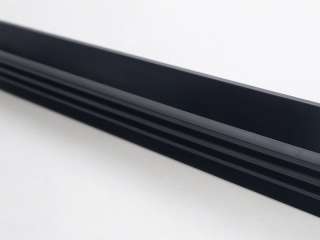
While metal clamping strips have their place, polyurethane strips are the clear winner for most modern screening and conveying operations Their superior resistance to vibration, corrosion, and abrasion translates directly into longer service life
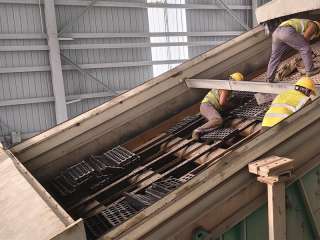
In the punishing world of iron ore screening, heavy-duty rubber panels prove their value by absorbing massive impacts, resisting abrasion and corrosion, and lowering noise
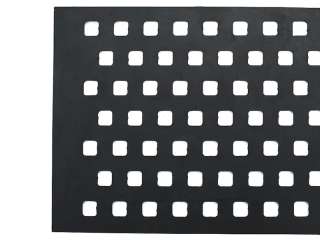
Choosing between rubber screen plates and polyurethane screen meshes is one of the most frequent dilemmas for aggregate, mining, and recycling operations
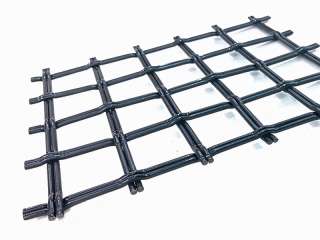
The structural stability advantages of double crimped screens and their reliable application performance in mineral processing make them one of the most underrated cost-saving upgrades for modern concentrators
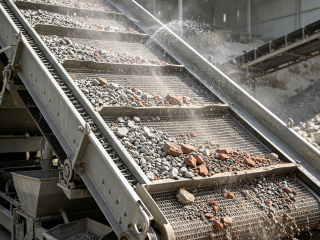
This practical guide breaks down the core rules for selection and bulk procurement of quarry aggregate screening mesh, tailored to real-world site conditions across North America, Australia and Europe
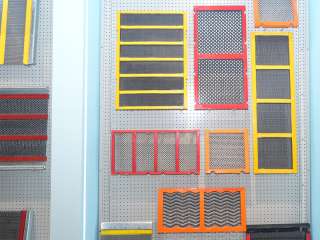
Self-cleaning screens have quietly become a game-changer on modern mining sites—not by adding complexity, but by solving a problem every operator knows too well: blinding When fine, damp material clogs standard mesh, productivity tanks
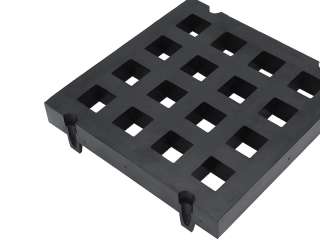
If you’ve ever pulled a screen deck and found half the high-natural rubber screen plates shredded while the other half look brand new, you know the frustration
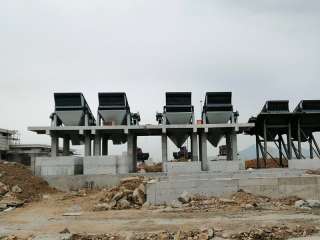
For dry screening large, high-impact materials, mining rubber screen panels aren t just an alternative; they are the gold standard They bring a unique set of advantages that Steel simply can t match
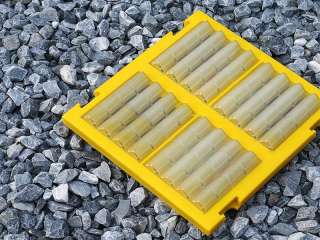
Today, the industry is moving toward tailings dry stacking, and at the heart of this revolution is a powerful duo: the high-frequency polyurethane fine screen and its star player of dewatering panel
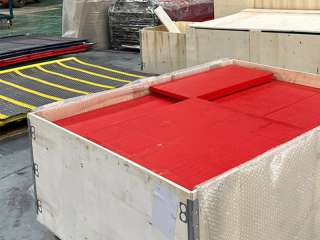
Savvy operators are discovering that the unique properties of polyurethane fine screens provide the ultimate line of defense, delivering desliming and dewatering performance that traditional Steel screens simply cannot touch
