Comparative Analysis of Service Life and Application Scenarios between Metal and Polyurethane Clamping Strips
If you operate vibrating screens or conveyors, you know clamping strips are small parts that cause big headaches when they fail. They hold screen panels or belts firmly in place—but which material is better: traditional metal or modern polyurethane? The choice affects not just service life, but also your maintenance budget and downtime. Let’s compare them in plain language.
Service Life: Rigid Metal and Flexible Polyurethane
Metal clamping strips, usually made from carbon or stainless steel, are strong but unforgiving. Under constant vibration, they tend to loosen, bend, or develop stress cracks. In wet or acidic environments, rust accelerates their failure. Typical lifespan? Often just 3 to 6 months in harsh conditions.Polyurethane clamping strips are engineered for vibration. Their elasticity allows them to absorb shocks and flex with the equipment, maintaining tension without loosening. They resist corrosion, abrasion, and chemicals far better than metal. In the same environment, a quality polyurethane strip often lasts 12 to 24 months—2 to 4 times longer. While the upfront cost is higher, the extended service life usually delivers a much lower total cost of ownership.
Application Scenarios: Where Each Excels
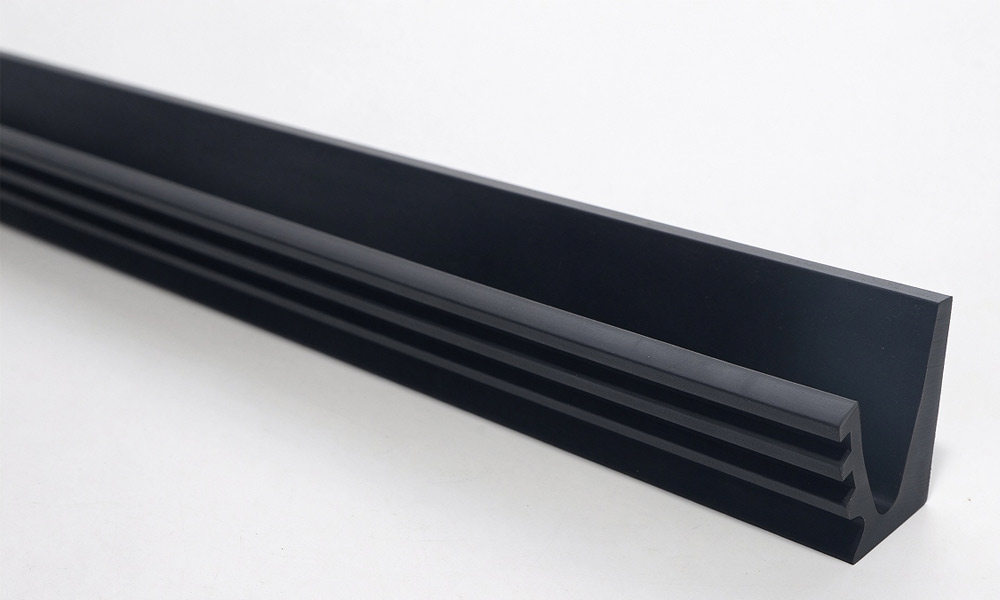
When selecting metal clamping strips, the material choice depends on the specific application environment. Fixed screens or low-speed conveyors are suitable for light-duty, low-vibration settings. In extreme high-temperature conditions, clamping bars made of special alloys are appropriate, as they can withstand higher temperatures than polyurethane alternatives. Polyurethane clamping bars are the ideal choice for industries involving intense vibration, such as mining, aggregate processing, and recycling. They are particularly well-suited for environments characterized by moisture, high corrosivity, or frequent exposure to chemicals—such as coal preparation plants or mineral processing facilities. Additionally, polyurethane clamping bars generate less noise than metal ones, significantly reducing vibration-related noise.
Installation and Maintenance Impact
Metal strips often require frequent re-tightening and replacement of associated bolts and washers. Polyurethane strips, thanks to their grip and flexibility, stay put longer and reduce the need for constant hardware checks. Just ensure you select the right hardness—softer for grip, harder for heavy impact zones.
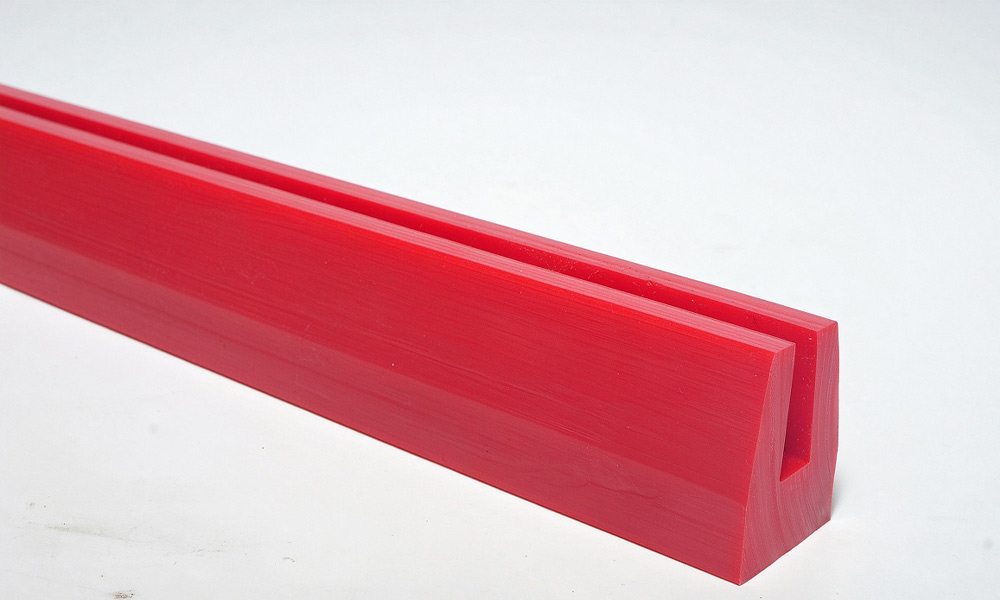
While metal clamping strips have their place, polyurethane strips are the clear winner for most modern screening and conveying operations. Their superior resistance to vibration, corrosion, and abrasion translates directly into longer service life, less downtime, and lower long-term costs. For high-wear areas, switching to polyurethane is one of the simplest upgrades you can make.