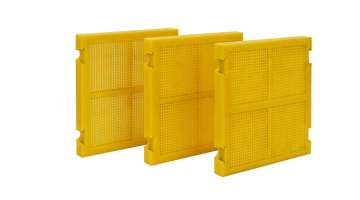
The Ultimate Shield: Why Rubber Screen Panels Dominate Primary Dry Screening
If you’ve ever stood next to a primary scalping screen, you know it’s a brutal environment. We’re talking about massive run-of-mine rocks—some the size of a small car—crashing down onto the deck. In this arena, traditional steel screens often feel like a temporary fix. For dry screening large, high-impact materials, mining rubber screen panels aren't just an alternative; they are the gold standard. They bring a unique set of advantages that steel simply can't match.
Absorbing Massive Impact Without Breaking
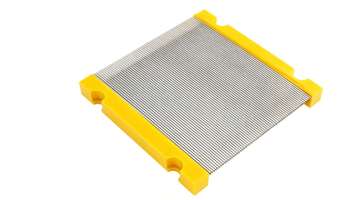
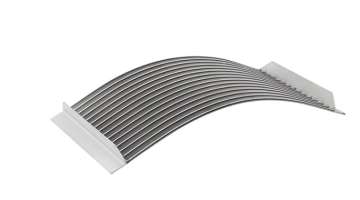
The greatest threat to the screening surface of a screen panel is not wear, but impact. When massive boulders strike the screen, they can easily cause indentations, cracking, and ultimately, total failure. Rubber screen panels possess excellent elasticity; rather than resisting impact through rigid opposition, the rubber absorbs and dissipates energy through its own deformation. This characteristic prevents the severe surface damage often associated with stainless steel screens, making rubber panels the preferred choice for primary screening stages.
Silencing the Racket and Reducing Stress
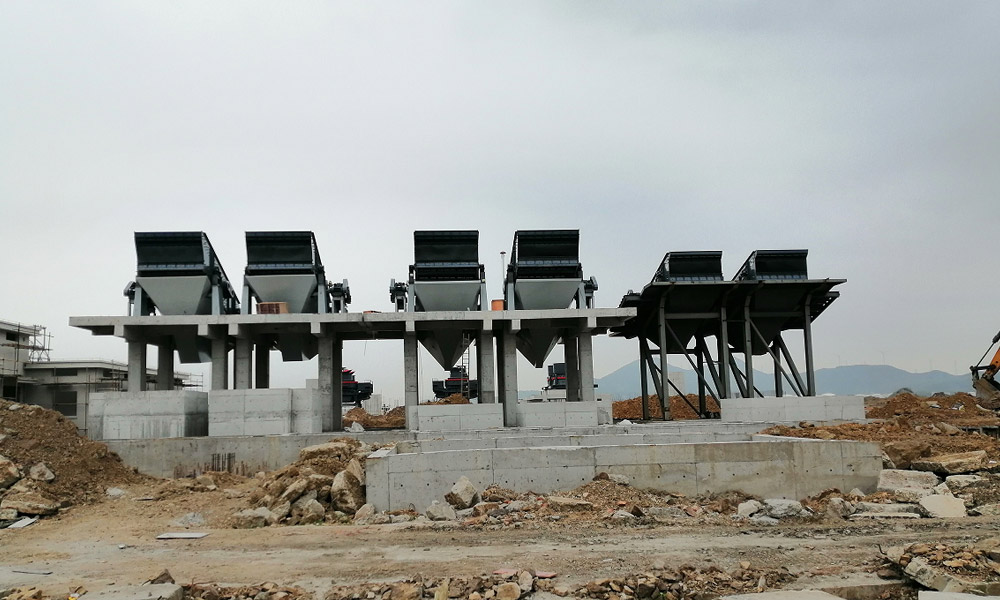
Frankly speaking, dry screening plants are typically very noisy environments. When stainless steel screens are used, the impact between the steel and the rock generates a piercing, high-pitched screech that poses a serious threat to workers' health. Rubber screens, however, act as a natural buffer; they transform that harsh screeching into a low, muffled thud, significantly lowering decibel levels on-site. Beyond improving the working environment, rubber screens also dampen vibration, thereby reducing the stress placed on the screening structure; this extends the service life of the screens and lowers maintenance costs.
Self-Cleaning Properties for Sticky Materials
Dry screening often involves dirty, elongated, or irregularly shaped rocks. These materials love to get stuck in steel bars, creating bridges that block the flow. The flexible nature of rubber screen panels helps here too. The vibration causes the rubber to "snap" back, dislodging near-size particles and preventing blinding. This keeps the screening process flowing smoothly without constant manual cleaning or poking.
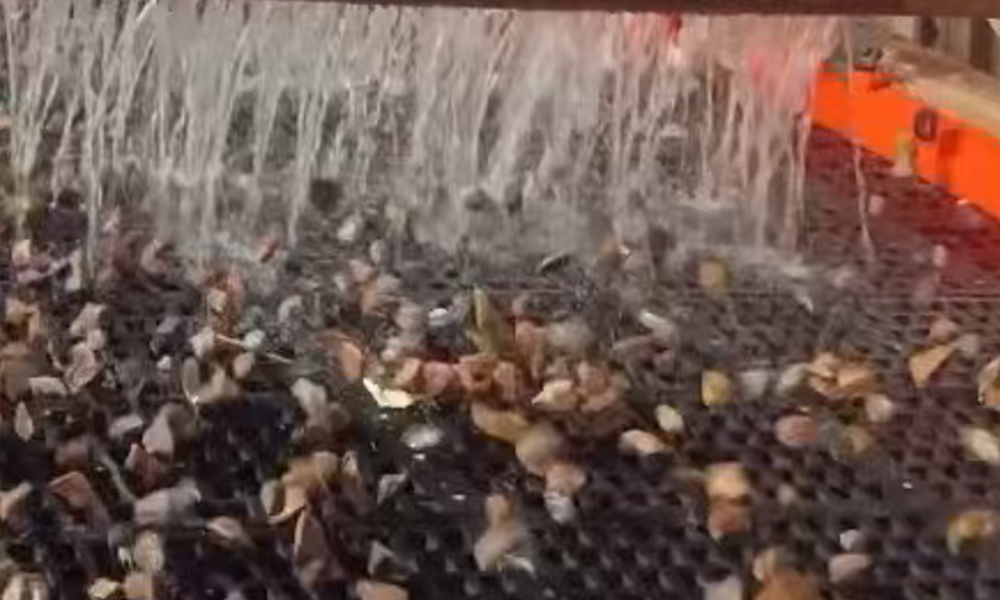
In Short,when you're dealing with the punishing conditions of dry screening for large, high-impact materials, mining rubber screen panels are the clear winner. Their ability to absorb massive shocks, reduce noise and structural stress, and resist blinding makes them the most durable and cost-effective solution. For any operation looking to maximize uptime at the primary stage, switching to rubber is a smart move.