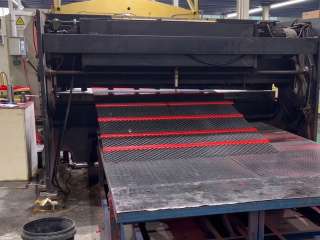
 self-cleaning screens for Heavy Mineral Sand">
Unlike standard industrial screens that require regular manual cleaning and frequent deck replacement, a purpose-built self-cleaning Screen for Mineral Sand is engineered to address these two core failure modes simultaneously
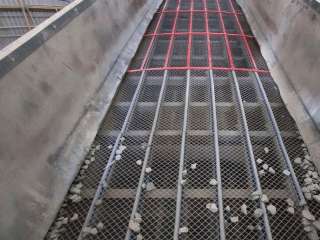 self-cleaning screens in Gypsum Ore">
High-performance self-cleaning screens can still struggle with persistent blinding when feed moisture rises above 8% or carries fine clay impurities
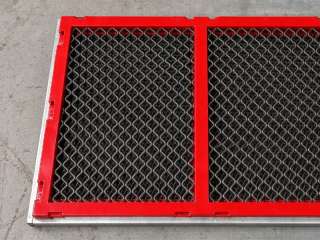 self-cleaning screens">
Many traditional ore-washing trommel screens struggle to deliver consistent stripping results especially when the feed carries high moisture and heavy clay content
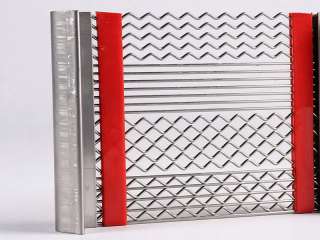 self-cleaning screens and Recommendations for On-Site Testing">
self-cleaning screens are particularly worth testing in advance, because their performance depends so heavily on how the feed behaves in the real circuit rather than how it looks in a specification sheet
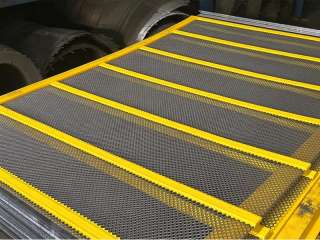 self-cleaning screens for Processing High-Clay Ore">
Anyone who has run a high-clay ore through a conventional sizing deck knows that the trouble rarely announces itself all at once The mesh loads up gradually, open area disappears faster than the shift report suggests
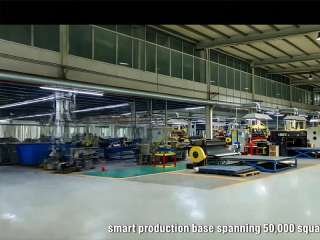 self-cleaning screens: Rubber, Polyurethane, or Metal">
Anyone who has spent time around self-cleaning screens knows the edge doesn’t get much attention—until it starts causing headaches
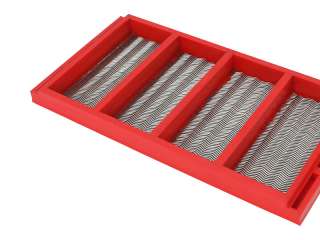 self-cleaning screens of Various Specifications">
When selecting self-cleaning screens, it is essential to understand their pricing and overall cost-effectiveness beforehand Prices vary depending on material, specifications, and quality
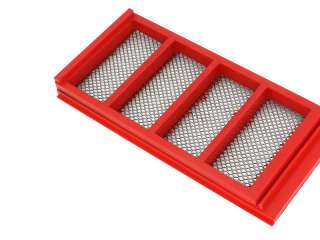 self-cleaning screens under Moist and Sticky Operating Conditions">
Standard screens really don’t stand a chance here That’s where self-cleaning screens come in They’re built for these exact conditions, using clever design and smart materials to keep things moving, even when the going gets gummy
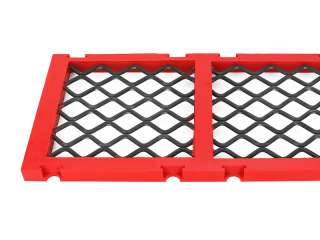 self-cleaning screens in Processing Potash Materials">
The deployment of self-cleaning screens specifically engineered for this duty offers a powerful countermeasure Their design directly targets the root causes of material caking
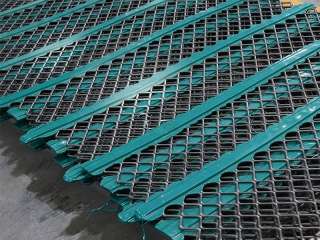 self-cleaning screens">
The fine screening of iron ore is notoriously difficult, primarily due to the material s tendency to blind screens Moisture, ultra-fines, and clay bind together, clogging apertures and crippling throughput
