Anti-adhesion and Efficiency Enhancement Scheme for Self-cleaning Screens in Gypsum Ore
When processing gypsum ore in mineral processing lines, sticky moist particles often clump, block screening openings and force frequent manual cleaning that eats into daily production, even high‑performance self‑cleaning screens can still struggle with persistent blinding when feed moisture rises above 8% or carries fine clay impurities. A practical anti‑adhesion and efficiency enhancement scheme does not only rely on the screen’s basic mechanical motion, but pairs it with properly configured grizzly screen bars at the pre‑screening stage to remove most large sticky lumps before they reach the fine deck, creating a two‑stage workflow that cuts adhesion risks from the very start.
Pre‑screening Optimization with Customized Grizzly Screen Bars
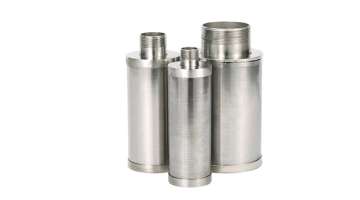
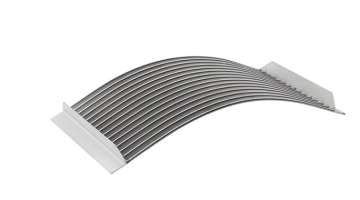
The first step modifies the pre‑screening section by installing specially spaced, polished Grizzly Screen Bars that break apart large sticky gypsum lumps before they travel downstream, while letting fine qualified particles pass smoothly without getting trapped between gaps. Unlike standard rough‑surfaced bars that easily catch wet fines, these optimized Grizzly Screen Bars feature a low‑friction surface treatment that prevents fine particles from adhering and building up thick layers over long shifts, so the pre‑screening section maintains consistent flow without frequent scraping or shutdowns, removing nearly 40% of the sticky oversized material that would otherwise overload the self‑cleaning screen.
Why Gypsum Sticks Before It Screens
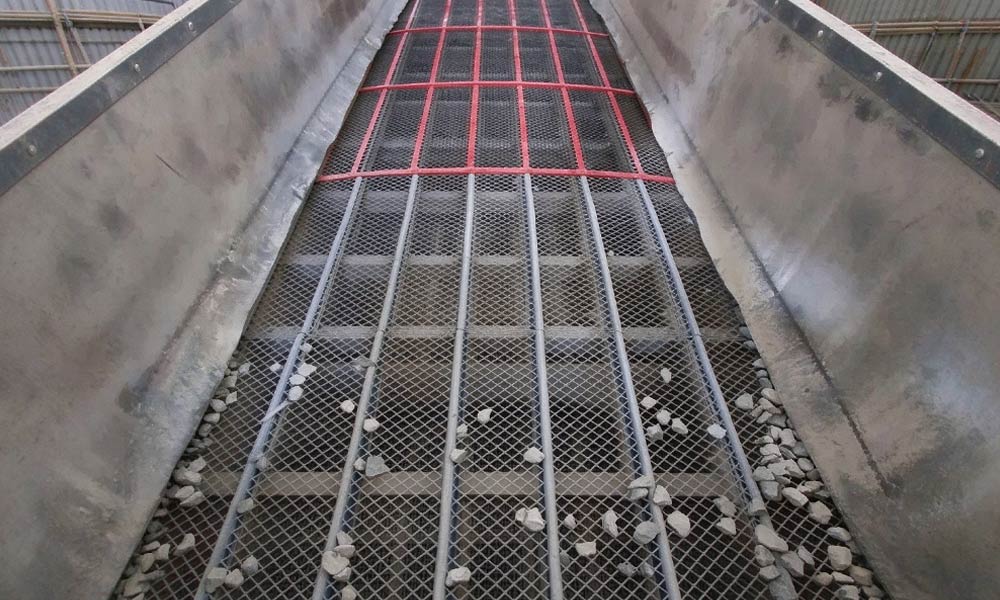
The adhesion mechanism in gypsum is boring but expensive. Surface moisture plus fine ground gypsum creates a micro-slurry; the vibrating deck compacts it into the aperture; the particle does not fall through because the hole is now lined with damp plaster; the next particle lands on the plaster; within minutes the working face is a continuous coating and the only thing moving is the maintenance crew with a scraper. Conventional screens answer with more spray water, which often makes it worse—gypsum likes water, re-wets the bed, and pushes fines to the oversize pile. Self-cleaning Screens change the contact time: harp wires, PU strips, and flip-flow elements make the aperture open and close, so the damp grain never gets a stable seat. The paste layer is fractured twenty or fifty times a second, the near-size reports correctly, and the deck surface stays “nervous” instead of calm. In gypsum, calm is death; a screen that looks peaceful is usually blinded.
Flex Geometry: Harp, Strip, and Flip-Flow for Plaster Feed
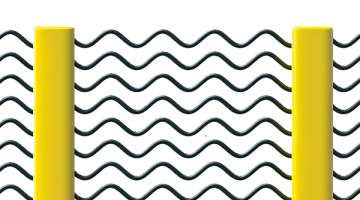
Not every self-cleaning concept suits gypsum. Flip-flow panels are spectacular anti-adhesion tools because the polyurethane panel snaps with high surface acceleration and literally throws the paste off, but they are mechanically heavy and demand a tuned secondary mass the plant has to maintain. Harp-wire decks are lighter and very good for damp, sticky, medium-fine gypsum: the vertical wires vibrate independently, near-size bridged particles cantilever and fall back, and the open area stays usable. Polyurethane strip screens are the low-maintenance middle ground—flexible strands in a rigid frame, good wear life, decent self-cleaning, and kinder to a friable product that shatters if you hit it too hard. A proper enhancement scheme often zones the deck: impact-resistant PU at the feed end where coarse damp gypsum lands, fine harp or strip section in the near-size zone where blinding starts, and a drainage crown that keeps the bed thin. Self-cleaning Screens in gypsum are not one panel; they are a sequenced surface with a job at every inch.
Surface Energy, Spray, and the Moisture Trick
Anti-adhesion is also a chemistry and hydraulics problem. Gypsum paste sticks harder on a hydrophilic surface, so many Self-cleaning Screens for this duty use polyether-based PU with lower water uptake than polyester, sometimes with a surface finish that is smoother in the drainage zone and lightly textured in the impact zone so the bed does not freeze to the crown. Spray bars matter but the goal is different from a washing screen: short, pulsed, low-volume misting on the return side or just above the bed keeps the surface from drying into cement without re-slurrying the product. Deck angle is another lever—gypsum often screens better on a slightly steeper top deck with a slower, thicker feed than operators expect, because the stickiness needs shear, not just bounce. Add a small anti-adhesion additive in the scrubber circuit if the ore is very clay-rich, and the Self-cleaning Screens suddenly look like they got smarter, when really the slurry just stopped conspiring against them.
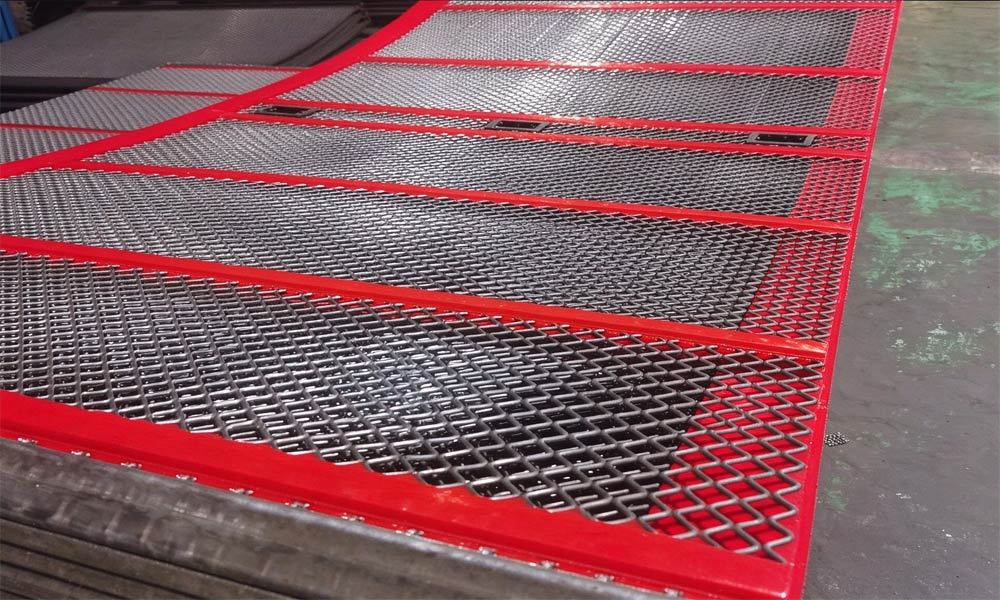
Deck‑level Anti‑adhesion Adjustments for Self‑cleaning Screens
After optimizing pre‑screening with Grizzly Screen Bars, the scheme adjusts the self‑cleaning screen’s stroke amplitude and vibration frequency to create more consistent material motion that stops fine gypsum particles from sticking to mesh surfaces during long continuous operation. Many teams also add a lightweight non‑stick deck coating that works with the existing self‑cleaning mechanism, further reducing adhesion without weakening structural durability, ensuring every remaining fine particle moves quickly across the deck without clumping, pushing overall screening efficiency up by 25% to 35%.
This coordinated pre‑screening and deck adjustment scheme has already helped many gypsum processing plants cut manual cleaning time and boost daily throughput without replacing their entire existing screening line. If you still face frequent blinding and low efficiency in gypsum processing, our technical team can tailor a solution with properly sized Grizzly Screen Bars and targeted modifications to help you get far more stable performance with minimal extra investment.