Anti-blinding and Wear-resistant of Self-cleaning Screens for Heavy Mineral Sand
In heavy mineral sand beneficiation operations, the combined presence of high‑density abrasive mineral particles, fine sticky silt fractions and continuous 24/7 operation creates extreme working conditions that quickly degrade conventional screening decks, leading to frequent aperture blinding, premature surface wear, reduced classification accuracy and unplanned downtime that significantly elevates overall processing costs. Unlike standard industrial screens that require regular manual cleaning and frequent deck replacement, a purpose‑built Self‑Cleaning Screen for Mineral Sand is engineered to address these two core failure modes simultaneously, integrating targeted anti‑blinding geometry and optimized wear‑resistant construction to deliver far more consistent long‑term performance in heavy mineral sand processing circuits.
Anti‑blinding Structural Optimization for Self‑Cleaning Screen for Mineral Sand
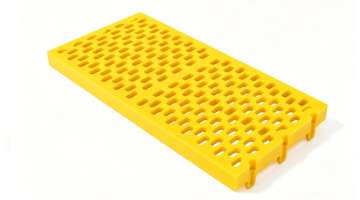
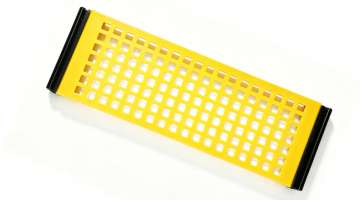
The anti‑blinding design of the Self‑Cleaning Screen for Mineral Sand adopts a non‑blocking tapered aperture profile that widens from the feed side to the discharge side of the deck, preventing near‑size heavy mineral particles from getting wedged firmly inside screen openings even after thousands of hours of continuous material impact. The system also incorporates a modular bouncing ball activation mechanism arranged in segmented independent compartments beneath the screening panel, which delivers periodic, uniform low‑amplitude vibration across every section of the deck to dislodge fine sticky silt and trapped mineral particles that would otherwise accumulate and form a dense blinding layer on standard screen surfaces.
Slime, Moisture, and the Blinding Mechanism
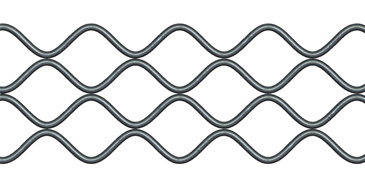
Blinding in mineral sand is rarely one cause. Fine slimes from the scrubber tail settle into the aperture, residual salt or heavy-liquid reagent makes the surface tacky, and high-density grains pack the bed so the top layer never tumbles enough to self-dislodge. A static woven deck fights this by brute vibration, which mostly shakes the frame and not the clog. Self-cleaning Screens for Mineral Sand flip the logic: the aperture is allowed to move. Harp wires vibrate independently, polyurethane strips flex between support bars, flip-flow panels snap several millimeters per cycle, and tapered slots narrow on the process side so a grain that enters rarely finds a comfortable permanent seat. The near-size particle gets accelerated, decelerated, and bounced before the slime skin can lock it in. Good design also means the deck is not dead flat—slight crown, controlled bed depth, and a feed-end impact zone that breaks the slug before it hits the fine section keep the blinding load where the panel can handle it instead of smearing sticky sand across the whole working face.
PU Compounds, Profiles, and the Wear Budget
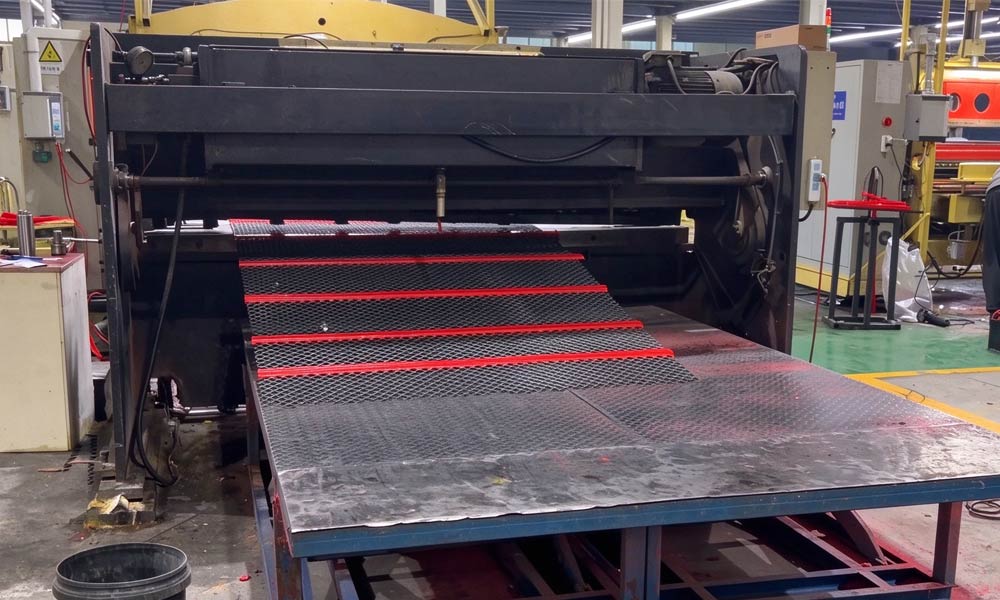
Anti-blinding flexibility is worthless if the element wears to half-thickness in a fortnight. Mineral sand is angular, heavy, and fast; a soft polyurethane will self-clean and then simply erode. The wear-resistant side starts with compound: polyether-based PU for wet, saline, or chemically loaded circuits because it resists hydrolysis far better than polyester, and a harder Shore A band—often 88–95 A for coarse abrasive sand—where the impact zone lives, while slightly softer 80–86 A may be kept in low-impact drainage zones that need more flex. Profile matters as much as hardness: ridged crowns shed the bed, tapered slots reduce contact area, rounded strand tops lower cutting action, and reinforced feed noses take the lump load the fine zone should never see. Self-cleaning Screens for Mineral Sand that last are usually zoned—tough compound and thicker section at the feed end, flexible self-cleaning geometry in the near-size zone, and a support-land design that stops the vibrating element from chewing itself against the frame. A panel that wears evenly across its life is better than one that cleans perfectly for a week and then loses the aperture.
Reinforcement, Support Bars, and Stopping the Panel from Eating Itself
The silent killer of self-cleaning decks is not the ore—it is the interface. A harp wire that is tensioned wrong hums until it fatigues; a PU strip that overlaps the support bar with no cushion pounds the bar thousands of times per minute; a flip-flow panel with a tired secondary mass starts resonating with the frame instead of against it. Wear-resistant design therefore reaches under the surface: encapsulated cable or rod reinforcement where the strand meets the clamp, hardened support bars with urethane caps, crowned bar tops so the flexing element contacts a line instead of a corner, and bolt bosses with steel inserts so the fastening land cannot elongate. Self-cleaning Screens for Mineral Sand also need the right deck motion—linear high-G for coarse scalping, gentle elliptical for sticky fines, flip-flow only when the slime load justifies the mechanical complexity. The panel is not independent of the machine; a brilliant anti-blinding design on a mistuned screen still dies young because the energy arrives at the wrong phase and the strand spends its life fighting the frame instead of fighting the peg.
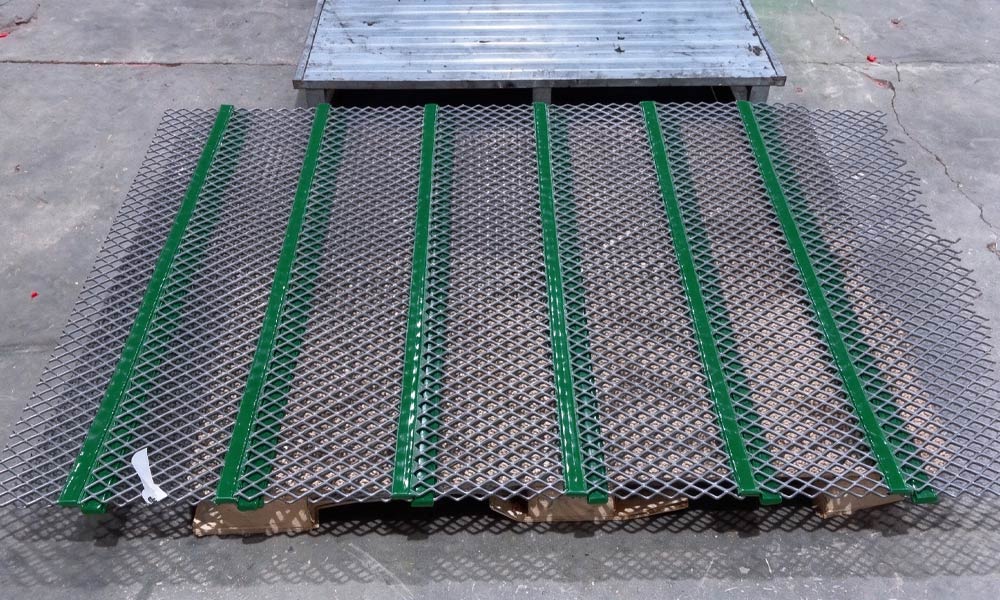
Wear‑Resistant Material and Structural Reinforcement Design
The wear‑resistant construction of the Self‑Cleaning Screen for Mineral Sand combines a high‑tensile steel substrate with a 12mm thick layered polyurethane alloy working surface that is reinforced with embedded alumina ceramic particles in high‑wear zones, delivering 3 to 4 times longer service life than ordinary rubber or plain polyurethane screening panels under the high‑velocity scouring of heavy mineral sand. This composite material formulation maintains sufficient structural toughness to resist impact fracture while achieving a surface hardness of Shore A 85, effectively reducing abrasive wear from high‑density minerals like ilmenite, zircon and garnet that quickly erode conventional screen decks in heavy mineral beneficiation plants.
This integrated anti‑blinding and wear‑resistant design of the Self‑Cleaning Screen for Mineral Sand has been validated in multiple heavy mineral sand processing sites, reducing manual cleaning frequency by over 70% and extending average deck service life to more than 12 months under continuous full‑load operation. If you are struggling with frequent screen blinding, rapid premature wear and unstable classification efficiency in your beneficiation circuit, our engineering team can provide a customized design solution tailored to your specific mineral properties, feed grading and processing capacity requirements, helping you achieve lower operating costs and more consistent screening performance.