Clay Stripping Efficiency of Ore-Washing Trommel Screen with Built-in Self-Cleaning Screens
When processing clay‑bound raw ore in mining and quarrying operations, the thick, sticky clay layer tightly wrapped around ore particles often clogs screening openings, reduces washing efficiency and forces frequent unplanned shutdowns for manual cleaning, and many traditional ore‑washing trommel screens struggle to deliver consistent stripping results especially when the feed carries high moisture and heavy clay content. A modern ore‑washing trommel screen equipped with a built‑in Self‑Cleaning Screen completely solves these long‑running pain points, as it combines continuous rotating scrubbing action with automatic anti‑blocking performance to strip stubborn clay layers far more thoroughly than standard fixed‑screen washing equipment, even under the most demanding 24/7 working conditions.
Pre‑washing Material Breakdown for Better Self‑Cleaning Screen Performance
The first key optimization that lifts overall clay stripping efficiency is adding a set of rugged spaced grizzly bars at the trommel feed end, which breaks large compacted clay agglomerates into smaller loose pieces before they reach the built‑in Self‑Cleaning Screen, so high‑pressure washing water can penetrate deep into every clay crevice instead of only washing the outer surface of big mud lumps. This simple pre‑treatment step prevents large sticky clay blocks from directly impacting the screen surface and causing localized blinding, and it lets the Self‑Cleaning Screen focus its full anti‑blocking power on fine sticky particles rather than wasting performance on oversized agglomerates that would otherwise overwhelm the self‑cleaning mechanism in a very short time.
How Clay Adhesion Causes Trommel Screen Blinding
Wet clay behaves differently from dry mineral particles. Fine clay slurry coats the ore surface and gets pressed into screen apertures during tumbling. Once a thin clay film forms on the mesh, subsequent fine grains stick to this layer and rapidly build up a solid mud crust. Conventional trommel screens rely only on water spray and material tumbling, which cannot break the hardened clay coating. The built-in self-cleaning system changes this dynamic: flexible bouncing components underneath the mesh repeatedly strike the panel as the drum rotates. The constant micro-impact fractures the clay layer before it hardens, keeping apertures open continuously.
Self-Cleaning Mesh Selection for Rotary Trommel Application
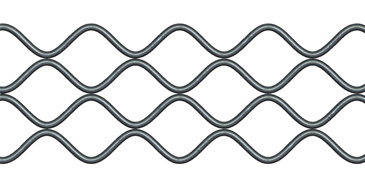
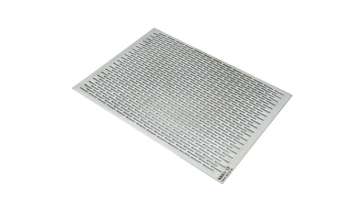
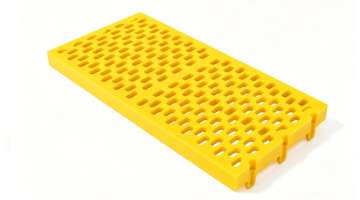
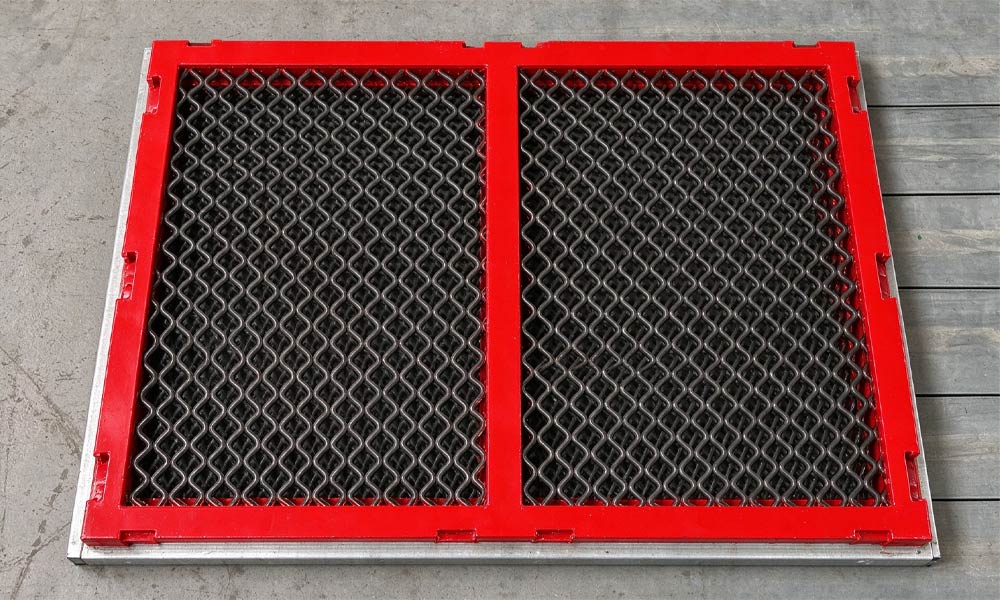
Not all self-cleaning media works well inside rotating trommels. Harp wire panels are preferred for medium-fine sticky clay, as independently vibrating vertical wires shake off adhered mud without heavy mechanical load. Polyurethane strip panels offer balanced wear resistance and anti-clogging performance for continuous 24h washing circuits. Flip-flow panels deliver stronger anti-adhesion for heavy clay loads, but they require careful structural reinforcement to withstand repeated tumbling inside the drum. Zone layout is critical: impact-resistant PU at the feed section, fine self-cleaning mesh on the downstream grading zone to avoid premature wear.
Water Management and Operating Parameters for Clay Washing
Excessive water is a common mistake in clay washing. Too much water dilutes the slurry and pushes fine clay deep into screen openings. Optimized trommel washing uses targeted pulsed high-pressure jets at the feed scrubbing zone to break clay lumps, while reducing spray volume over the screening section. Drum rotation speed and inclination angle are also tuned to control bed thickness. A thinner, well-tumbled material bed maximizes contact between the bouncing self-cleaning elements and mesh surface, preventing mud crust formation without over-consuming process water.
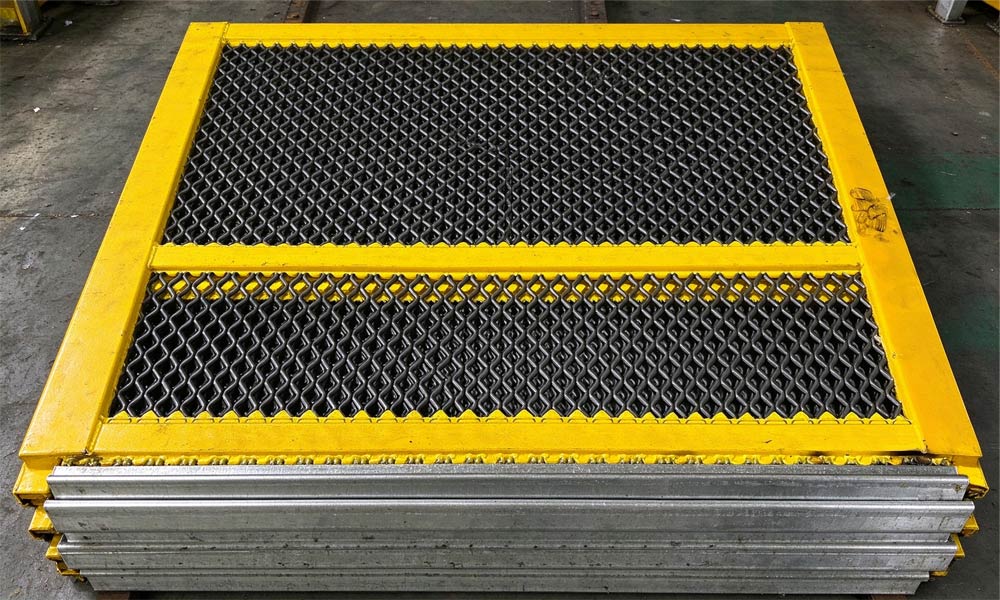
Core Performance Advantages of the Integrated Self‑Cleaning Screen Setup
Inside the rotating drum, the built‑in Self‑Cleaning Screen uses flexible bouncing elements that tap the screen panel from below at regular intervals as the drum turns, shaking off fine clay particles that try to stick to the mesh and keeping every screening aperture fully open throughout the entire washing cycle. Unlike traditional trommel screens that see their effective screening area drop by more than 40% after just a few hours of continuous operation, this integrated setup maintains over 92% of its original effective opening area, lifting overall clay stripping efficiency to 90% or higher while cutting water consumption by nearly 20% compared to standard non‑self‑cleaning washing equipment.
This optimized ore‑washing trommel screen with a built‑in Self‑Cleaning Screen has already helped dozens of mineral processing sites cut manual cleaning labor, reduce unplanned downtime and deliver far cleaner washed ore for subsequent sorting stages. If you are still facing incomplete clay stripping, frequent screen blinding and unstable trommel output in your operation, our technical team can tailor a full configuration that matches your specific ore properties and hourly processing volume, helping you get far higher stripping efficiency.