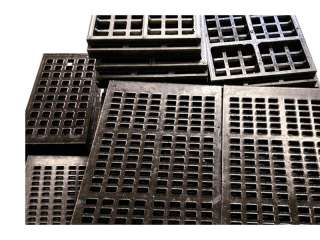
 rubber screen Panel Apertures: Facilitating Quick On-Site Identification of Specifications">
A rubber screen color coding system removes that hesitation entirely, because aperture size, thickness and compound become something the crew reads at a glance from the walkway instead of something they decode from a spec sheet while the plant sits idle
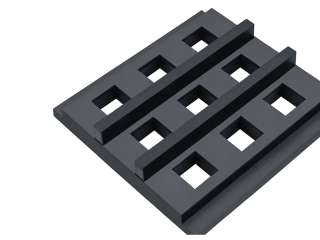 rubber screens on screening efficiency">
rubber screen works on a vibrating screen precisely because it flexes, snaps back, and throws the near-size particle clear of the aperture, and once that snap-back starts to lag, throughput falls off in a way no amount of feed tuning will fix
 rubber screen manufacturer">
Vulcanization is the step that decides whether a rubber screen panel survives a full season on a vibrating deck or starts cracking along the tension rails after six weeks, and it is also the step that almost no buyer ever witnesses
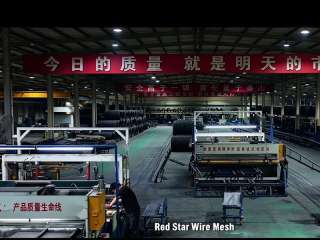 rubber screens">
A sensible approach follows the whole life of a rubber screen panel — the ore it separated, the steel or textile reinforcement bonded inside it, and the value still locked in the compound
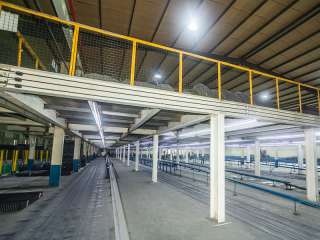 rubber screen Panels and Deformation Resistance">
The long-term performance and reliability of rubber screen panels in harsh screening environments hinge on a crucial internal component
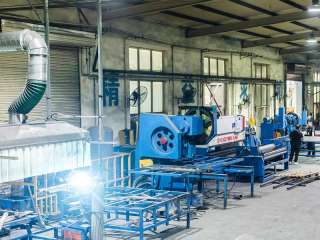 rubber screen Panels in the Crushing and screening Process of Gold Ore">
rubber screen panels have emerged as a superior solution, specifically engineered to withstand these dual challenges of severe abrasive wear from hard, sharp-edged particles
 screening Sticky Materials of Phosphate Rock Using rubber screen Panels">
Processing sticky phosphate ore poses a significant challenge for operators The design of rubber screen panels addresses this issue, significantly minimizing clogging during material processing
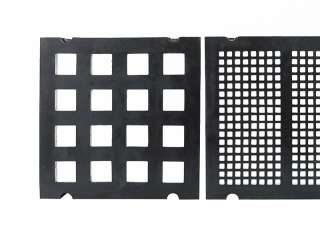 rubber screen Mesh for Wet Sticky Material">
Traditional steel panels just can’t shake off that sticky, moisture-laden material, That’s exactly why the anti-adhesion and self-cleaning design of modern rubber screen has become a game-changer for operations handling wet and sticky materials
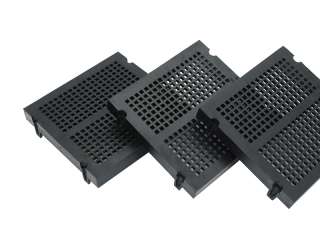 rubber screen :Different Application Environments for Soft and Hard rubber screen">
The secret to avoiding that headache often comes down to one simple number: Shore Hardness Soft and hard rubber screen panels aren’t interchangeable, and their performance lives or dies by the unique conditions of your application environment
 rubber screen Panels Installation">
Bolt-fixed and pin-and-sleeve rubber screen Installation are the two most common systems on the market, but they work completely differently on different decks and for different operation sizes
