If you’ve ever spent half a shift swapping out a worn rubber screen panel,
you know the installation method you pick makes or breaks your downtime numbers.
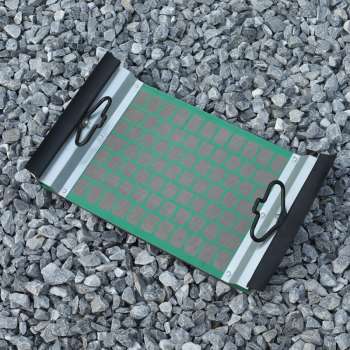
Bolt-fixed and pin-and-sleeve rubber screen Installation are the two most common
systems on the market, but they work completely differently on different decks
and for different operation sizes. This no-fluff comparison breaks down how each
installation method performs in real-world conditions, so you can stop wasting
hours on frustrating panel swaps.
Bolt-Fixed Rubber Screen Installation: The Old Reliable Workhorse
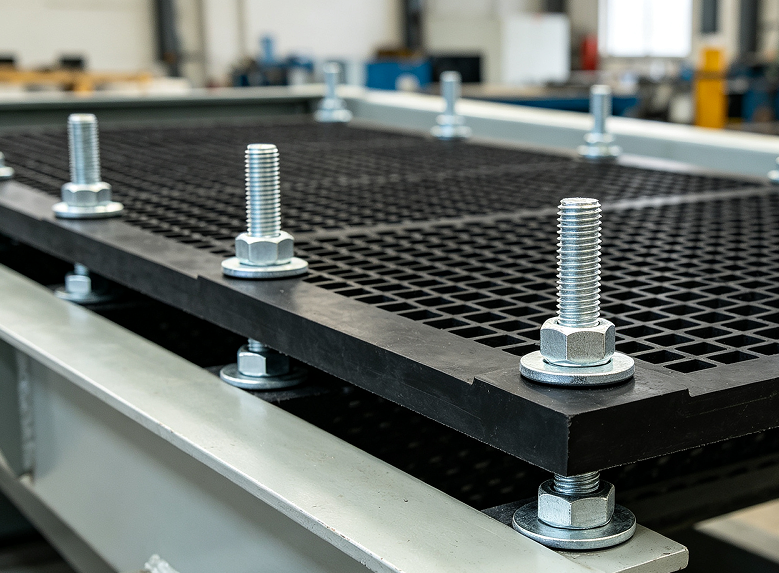
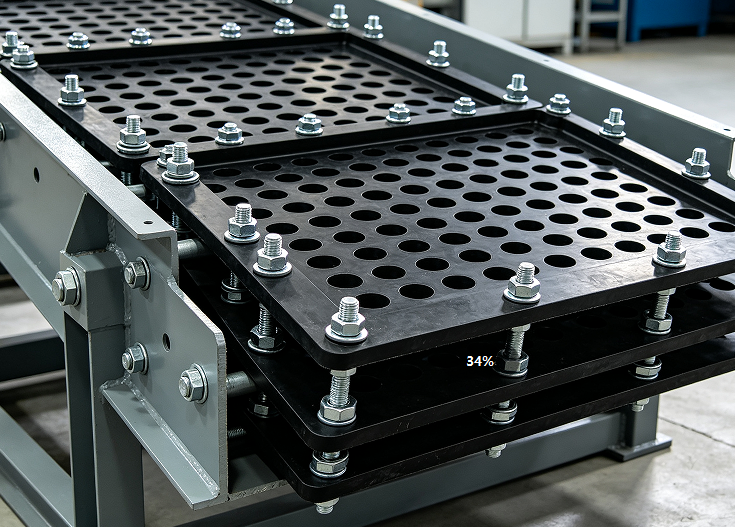
Bolt-fixed installation is the classic setup you’ll find on most older
screening decks. Each rubber screen panel has pre-molded holes that line up with
pre-drilled bolts welded to the deck frame. You slide the panel over the bolts,
tighten down the nuts, and lock it firmly in place. It’s a dead-simple system
that requires zero special deck modifications, and it holds panels rock-solid
even under extreme high-G vibration and heavy impact. The catch? Swapping panels
means fumbling with rusted, caked-on bolts in tight spaces, which can stretch a
10-minute job into an hour of scraping and wrenching.
Pin-and-Sleeve Rubber Screen Installation: Fast Swap For High-Throughput
Sites
Pin-and-sleeve installation is the modern, tool-light alternative built for
speed. Each rubber screen panel has integrated rubber sleeves molded right into
its edges, and you lock it to the deck by tapping steel pins through the aligned
sleeves and pre-mounted deck brackets. No nuts to tighten, no rusted bolt
threads to fight. Most of the time, you can swap a full set of panels in less
than a third of the time it takes with a bolt-fixed setup. The trade-off is that
it needs a purpose-built deck frame to fit the brackets, and it’s slightly less
rigid for ultra-heavy, high-impact scalping work compared to a fully tightened
bolted panel.
Real-World Tradeoffs That Matter For Your Operation
Bolt and pin-and-sleeve rubber screen installation each have their own
advantages.Bolt-fixed systems shine for small, low-changeout sites or heavy,
high-impact scalping decks where absolute rigidity is non-negotiable. They’re
cheap to retrofit on old decks and almost never come loose mid-shift.
Pin-and-sleeve systems are perfect for high-volume plants that swap worn rubber
screen panels every few weeks, where cutting installation time directly adds
hours of extra production every month. Neither is universally better — it all
comes down to how often you change panels and how rough your feed is.
Ultimately, the choice between bolt-on and pin-and-sleeve rubber screen
installation is not merely a matter of installation method; it requires a
multifaceted approach. The appropriate mounting solution should be selected
based on factors such as the service life of the screen box, the impact
intensity of the feed material, and the frequency of screen panel replacement.
Selecting the right mounting method can significantly reduce maintenance time,
lower the frequency of panel replacements and equipment downtime, and boost
production efficiency and capacity.


Leave A Reply
By using form u agree with the message sorage, you can contact us directly now