Anti-clogging Performance for Screening Sticky Materials of Phosphate Rock Using Rubber Screen Panels
Processing sticky phosphate ore poses a significant challenge for operators. Due to the clay content and moisture in the material, fine particles easily adhere to the screen surface and clog the apertures, leading to increased downtime for maintenance and a substantial reduction in operational efficiency. The design of rubber screen panels addresses this issue, significantly minimizing clogging during material processing. Their inherent material properties and flexible design work in concert to resist adhesion, promote material release, and maintain screening efficiency where rigid screens often fail, making them a preferred choice for handling the tenacious nature of sticky phosphate ore.
Why Phosphate Rock Clogs Where Steel Screens Feel “Strong”
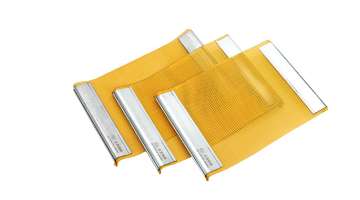
Everyone assumes steel is the tough choice and rubber is the soft alternative, but in sticky phosphate duty that intuition backfires, because clogging is not about strength—it is about how the particle experiences the surface. A woven or punched steel deck is stiff, so when a damp phosphate granule lands, it stays where it lands; the vibration shakes the frame, not the opening, and the fine clay fraction finds the corners and stays put. A Rubber Screen Panel, by contrast, stores vibration energy in the elastomer and releases it locally: each aperture flexes a little, the crown “kicks” the near-size particle, and the sticky bridge gets disrupted before it can mature into a blind spot. Phosphate’s curse is its own chemistry—apatite fines plus montmorillonite clay plus a little process water make a lubricant-paste that loves hard edges—so the screen that wins is the one with the fewest stable ledges and the highest local rebound. Plants that switch from steel to rubber often report the real surprise is not longer wear life but fewer bar-whacks, steadier bed depth, and a deck the operator stops fearing after a rain.
Aperture Shape, Durometer, and the Physics of Letting Go
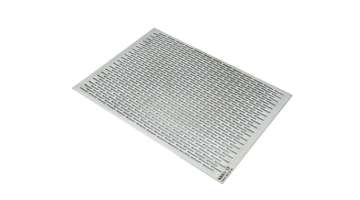
Anti-clogging is designed, not inherited, and a Rubber Screen Panel for phosphate rock lives or dies by three quiet variables: aperture profile, rubber hardness, and how the panel is tensioned into the frame. Square molded holes are decent, but slotted or slightly tapered apertures tend to outperform in sticky phosphate because the elongated particle aligns with the long axis, slides, and exits instead of bridging across four hard corners. Durometer is the lever people misuse—too hard and the rubber behaves like a polite steel plate, too soft and the aperture breathes so much that the cut point wanders and coarse material sneaks through; the sweet spot is a resilient compound that returns energy fast without taking a permanent set under a wet phosphate bed. Surface finish matters too: a slightly textured anti-stick face can break the suction between clay and rubber, while a glossy face sometimes holds a thin slime film that eventually seeds a clog. The best phosphate screens pair a springy Rubber Screen Panel with the right stroke and deck angle so the material stratifies, the sticky fraction rides up and out, and the apertures never get the calm, undisturbed microseconds they need to seal over.
Why the Frame Is Part of the Anti-Clog Story
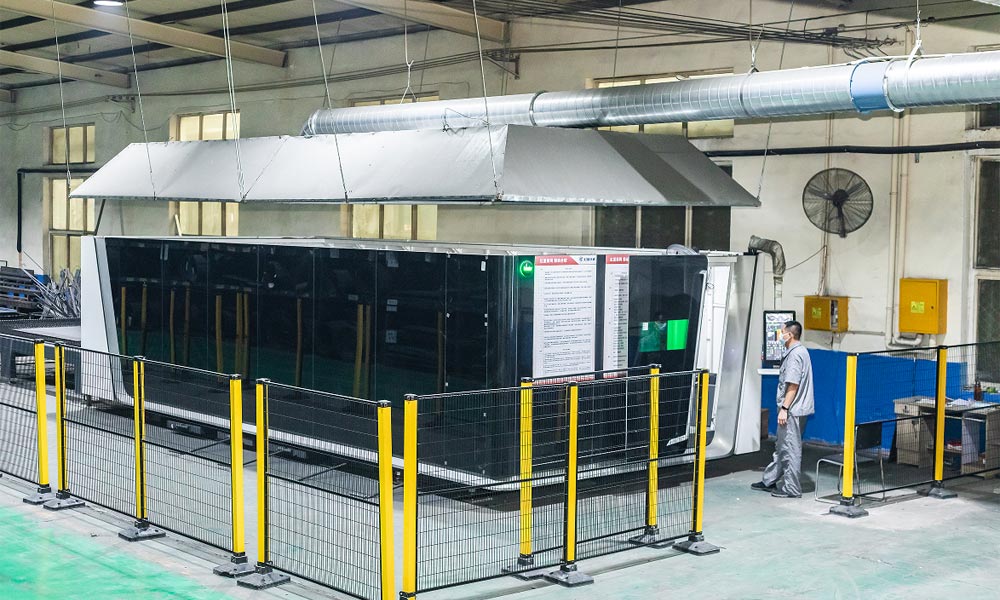
A rubber panel does not self-clean in isolation—it needs a deck that knows how to move, because if the support bars are too widely spaced the Rubber Screen Panel drums like a trampoline, the apertures flex unpredictably, and sticky phosphate finds the low-pressure zones where material piles and glues itself down. Too-tight support spacing fixes the drumming but steals open area and creates dead pockets along the bar where slime accumulates, so the art is matching bar pitch to panel thickness, aperture size, and the vibration frequency of the machine. Stroke direction is another hidden actor: a phosphate screen tuned with the wrong orbit can throw material back onto the same row of holes, while a correct elliptical or circular motion carries the sticky fraction forward and gives each aperture a clean “open–close” cycle that sheds fines. Tensioning closes the loop—under-tensioned rubber slides at the edges, fretts, and forms a curled lip that traps clay, while properly tensioned rubber stays seated, flexes uniformly, and turns the whole deck into a low-frequency percussion instrument that sticky phosphate hates. In other words, anti-clogging performance is never just the panel; it is the panel arguing nicely with the frame, the supports, and the vibrator.
Material Resilience and Inherent Anti-Stick Properties
The anti-clogging performance of rubber screen panels begins with the material itself. High-quality, abrasion-resistant rubber compounds are naturally resilient and possess a degree of surface "give" that rigid steel lacks. This flexibility prevents fine, damp particles from achieving a firm grip. Furthermore, specialized rubber formulations can be engineered with additives that lower the surface energy of the panel, creating a more hydrophobic and non-stick characteristic. This inherent property is the first line of defense against the initial layer of sticky buildup that initiates the clogging process in phosphate rock screening.
Dynamic Self-Cleaning Through Flex and Vibration
A key advantage of rubber over rigid materials lies in its flexibility, elasticity, and ability to deform. During the operation of screening equipment, rubber screen panels undergo slight deformation. This dynamic elastic deformation creates a "self-cleaning" effect, using vibration to dislodge particles adhering to the surface—a characteristic that static screens cannot achieve.This ongoing movement is crucial for maintaining an open screening area and preventing the consolidation of a hard, compacted layer of sticky fines.
Optimized Aperture Design for Sticky Conditions
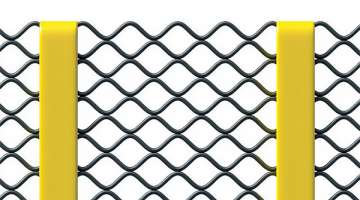
To maximize their effectiveness, rubber screen panels for sticky materials often feature optimized aperture designs. Tapered or flared openings are common, where the aperture is wider on the discharge side than on the feed side. This geometry reduces the contact area for particles, making it harder for them to become mechanically lodged. For particularly challenging phosphate rock, screens with a slightly crowned or profiled surface can be used. This design discourages material from lying flat and compacting, instead encouraging it to roll and shift, which further aids in breaking up sticky agglomerates before they can cause a full blockage.
For operations processing sticky phosphate rock, the choice of screening media is critical to maintaining flow and efficiency. Rubber screen panels provide a robust and proven solution, leveraging their material flexibility, inherent anti-stick properties, and dynamic cleaning action to deliver superior anti-clogging performance. By resisting the initial adhesion and continuously shedding material through flex, they offer longer uninterrupted run times and more consistent sizing compared to traditional options. Investing in the right rubber screen specification is a strategic decision that directly translates to higher availability, lower maintenance costs, and more reliable production output in challenging phosphate screening circuits.