If you’ve ever stood over a screening deck caked with wet clay or damp fine
coal, you know how fast blinding can kill your throughput. Traditional steel or
rigid panels just can’t shake off that sticky, moisture-laden material, leading
to hours of manual scraping and lost production. That’s exactly why the
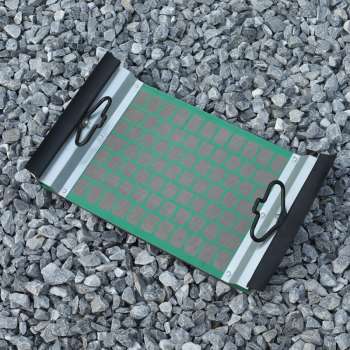
anti-adhesion and self-cleaning design of modern rubber screen mesh has become
a game-changer for operations handling wet and sticky materials. These designs
don’t just reduce downtime ,they keep your circuit running smoothly even in the
messiest conditions.
Why Wet Sticky Material Sticks to Standard Screen Surfaces
The root cause of screen blinding is linked not only to the material's
moisture content but also to the interaction between fine particles and surface
tension. When moist, fine materials—such as clay or weathered ore, come into
contact with a smooth screen surface, strong adhesion occurs, locking the
particles within the apertures. Even with vigorous vibration, it is difficult to
completely resolve the issue of material clogging, leading to a significant
reduction in effective screening area within a short period. Most standard
rubber screen meshes don’t address this specific physics issue, leaving
operators stuck with constant cleaning cycles.
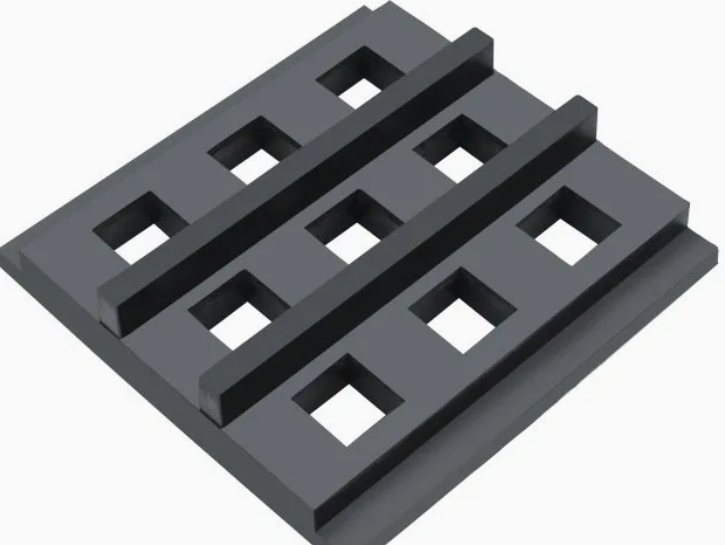
Anti-Adhesion Surface Treatments That Break the Sticky Bond
Modern anti-adhesion rubber screen meshes use specially formulated
compounding to fight that surface tension right at the source. Manufacturers mix
in low-friction additives and create a micro-textured, non-stick surface that
damp particles can’t form a tight suction seal against. Unlike plain rubber,
these treated surfaces repel moisture instead of trapping it, so wet sticky
material slides off instead of clinging to the mesh wires. This simple design
tweak alone can cut surface buildup by more than 60% in high-moisture fine
material circuits.
Self-Cleaning Slot Geometry That Shakes Material Free Automatically
It’s not just the surface ,the slot design itself does most of the
self-cleaning work. These rubber screen meshes use tapered, non-parallel
openings that flex independently with every screen stroke. As the deck vibrates,
each individual slot widens and narrows slightly, flexing any near-size or stuck
particle right out of the opening before it can settle and clog. No extra air
nozzles, no water sprays, no manual scraping—the movement of the rubber itself
keeps the slots clear, even when you’re running material with 15%+ moisture
content.
Switching to anti-adhesion, self-cleaning rubber screen meshes for your wet
and sticky material circuits doesn’t just eliminate messy, time-consuming
cleaning shifts. It keeps your effective screening area high all day long,
boosts your product yield, and cuts the wear and tear that comes from constantly
scraping caked material off your decks. If blinding has been eating into your
operation’s profits, this small upgrade is one of the fastest ways to unlock
steady, reliable throughput in even the stickiest processing conditions.


Leave A Reply
By using form u agree with the message sorage, you can contact us directly now