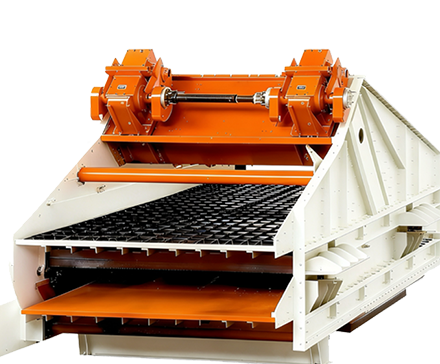
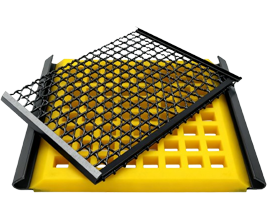
Every quarry and mineral processing plant eventually ends up with the same awkward pile in the corner of the yard: stacks of worn screening media that have lost their tension, torn at the edges, or simply stopped cutting a clean grade. Tipping that pile is the expensive habit this plan is meant to break. A sensible approach follows the whole life of a rubber screen panel — the ore it separated, the steel or textile reinforcement bonded inside it, and the value still locked in the compound — and then ranks the exits available, from direct reuse through to recycling and, finally, responsible disposal. Get the ranking right and you trim haulage costs, stay on the right side of waste regulators, and give your sustainability reporting something concrete rather than aspirational.
Start With Reuse Rather Than the Skip
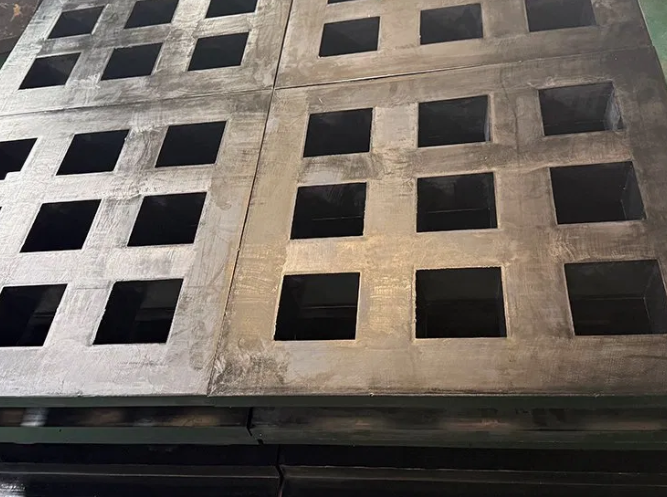
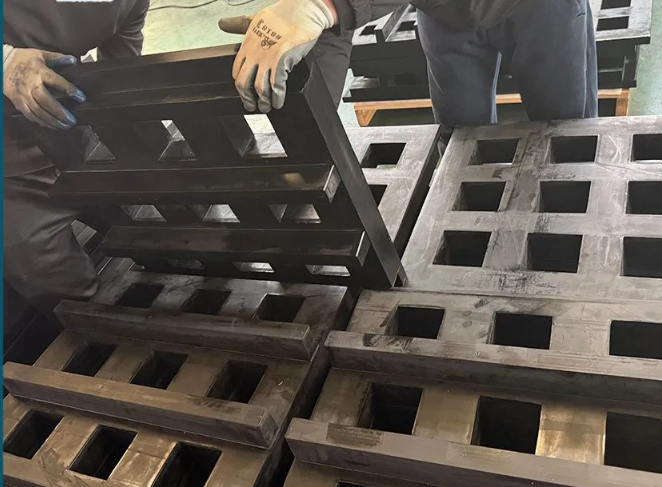
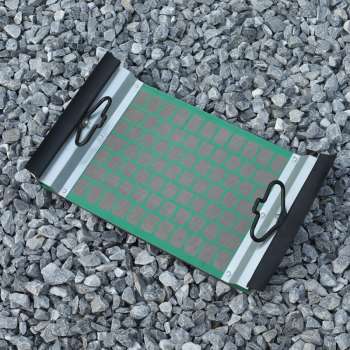
Reuse is where the money actually is, and it costs almost nothing to check. A used rubber screen panel that no longer holds tolerance on a fine dewatering deck will often run another full season on a coarse scalping duty, where a few millimetres of drift barely registers. Once panels are genuinely past screening duty, cut them down: they make excellent chute liners, hopper skirts, impact bed pads under conveyor loading points, and hard-wearing anti-slip matting for walkways and stair treads. Sorting the pile by compound at this stage—natural rubber, SBR, or polyurethane-bonded — saves real trouble later, because mixing them muddies the quality of anything a recycler produces downstream.
Recycling Routes for a Rubber Screen That's Truly Finished
When panels are cracked, delaminated from their reinforcement, or hardened beyond recovery, mechanical grinding into crumb is the most accessible route and the one most regional processors already offer. The liberated steel or polyester carcass is pulled out magnetically or by air classification, and both fractions usually find buyers without much effort. Further up the value chain sit devulcanization, which returns the material to a workable state, and controlled pyrolysis, which recovers carbon black and oil — but both demand clean, consistent feedstock and consistent volume, so they suit larger sites rather than one-off clear-outs.
Disposal Without the Guilt
Landfill should be the last resort, and in a growing number of jurisdictions it is becoming a restricted one for whole tyre and rubber screens. Work only with a licensed handler, keep the waste transfer documentation, and never burn panels on site — the sulphur and zinc compounds in a rubber screen produce exactly the sort of smoke nobody wants drifting over a neighbourhood.
The cheapest panel you will ever buy is the one already sitting in your yard. Log what comes off each deck, agree a reuse list with your maintenance team, and line up a recycler before the pile becomes a problem. Contact us to map a waste rubber screen plan around your volumes and compounds while the material still has value left in it.


Leave A Reply
By using form u agree with the message sorage, you can contact us directly now