Vulcanization process is the step that decides whether a rubber screen panel survives a full season on a vibrating deck or starts cracking along the tension rails after six weeks, and it is also the step that almost no buyer ever witnesses. Turning up at the factory, or sending someone who knows what they are looking at, is worth more than any certificate that arrives by email, because the whole story of temperature, pressure and cure time is written into the finished part — and it can be read back if you know where to look. The following points are the ones that tend to separate manufacturers who genuinely control their process from those who simply run the presses until the parts come out firm.
Watch the Press Floor, Not the Showroom
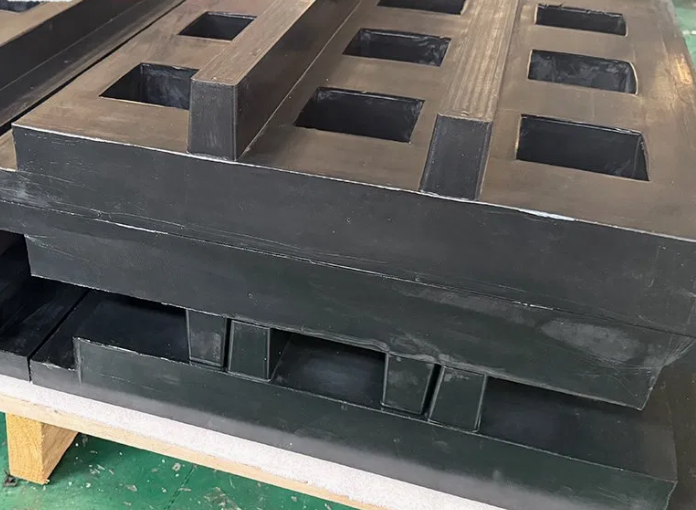
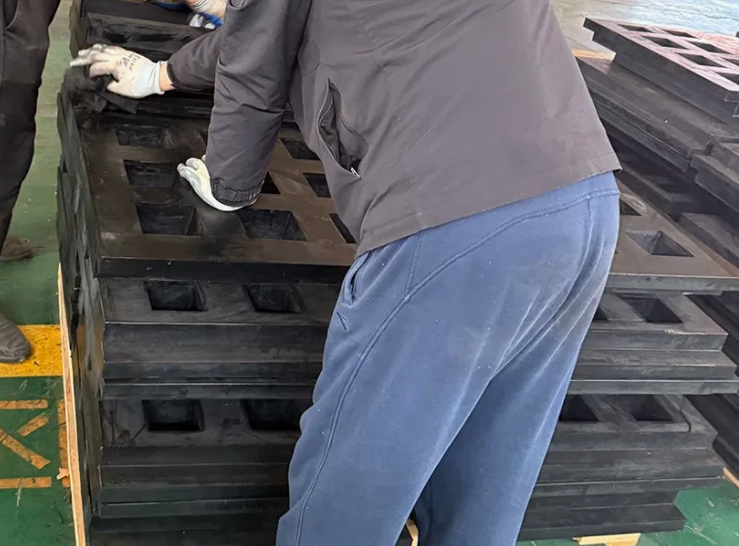
Start with the moulds and the platens. A well-run rubber screen line keeps press temperature logged per cavity and per shift, so ask to see the actual charts rather than the summary; a flat line looks good on paper but usually means the recorder has been smoothed or frozen. Check whether the operator is timing the cure from when the press actually closes and reaches temperature, or from the moment the blank drops in, because that small difference is where under-cure hides. Look at whether moulds are preheated before the first shot of the day and whether anyone is trimming flash by hand, which tells you plenty about how well the tooling is maintained.
Read the Part Itself
Once panels are out of the press, the physical evidence is hard to argue with. Cut a section through a scrap rubber screen panel and look at the cross-section: a properly cured part is uniform in colour and density all the way through, while an under-cured core looks slightly dull, tears in a ragged stringy way, and sometimes still smells sharp and sulphurous. Press a thumbnail into the wearing surface and release it — recovery should be immediate and complete, because slow spring-back points to a cure that was rushed. Then check the bond where the rubber meets its steel or textile reinforcement, since delamination there is almost always a cure or a primer problem, not an application problem.
Ask About Batch Control and Traceability
Finally, ask how a batch is identified after it leaves the press, and whether the plant can tie a returned rubber screen back to the press, the shift and the compound batch it came from. Manufacturers who can do that usually can also show their rework and rejection rates, and they tend to talk about them openly.
A factory visit only pays off if what you saw ends up in writing. Ask your rubber screen manufacturer to confirm the cure parameters, the bonding method and the inspection records in the supply agreement, and hold a few retained samples from each delivery so there is something to compare against. If you would like a structured checklist you can take straight onto a supplier's floor, contact us and we will send one over.


Leave A Reply
By using form u agree with the message sorage, you can contact us directly now