Impact and Wear Resistance of Rubber Screen Panels in the Crushing and Screening Process of Gold Ore
The crushing and screening process of gold ore is exceptionally demanding on equipment, characterized by high-impact forces from large feed rocks and severe abrasive wear from hard, sharp-edged particles. In this harsh environment, the choice of screening media is critical for operational longevity and cost control. rubber screen panels have emerged as a superior solution, specifically engineered to withstand these dual challenges. Their unique combination of impact resistance and wear resistance directly addresses the core destructive forces in the circuit, offering significant advantages over traditional steel screens by reducing noise, minimizing blinding, and dramatically extending service life in abrasive gold ore applications.
Why Gold Ore Is a Special Kind of Brutal on a Screening Deck
People picture gold ore as glamorous, but on a vibrating screen it is mostly a wear problem with a prize inside, since the valuable fraction often rides inside dense, angular, silica-rich rock that scratches, impacts, and edges itself into the deck surface. A Rubber Screen Panel at a primary or secondary crushing discharge takes two punishments at once: big lumps arriving with real kinetic energy, and a constant rain of smaller sharp fragments that scour the crown between apertures like sandpaper fed by the conveyor. What saves rubber here is hysteresis—the material deforms on impact, spreads the load over a wider area, and returns most of the energy as controlled rebound rather than local denting, so the panel “gives” instead of “breaks.” Steel plates can out-abrade rubber in some dry, free-flowing duties, but in gold circuits where moisture, clay, and near-size material show up, steel blinding and pegging often cost more tons than rubber ever loses to wear. The panel that looks too soft for the job is frequently the one still screening accurately while the hardened steel deck beside it has crowned, plugged, and started throwing oversize into the mill feed.
Where Rubber Either Earns Its Keep or Quits
Not all rubber is created equal, and a gold plant that buys a generic Rubber Screen Panel on price usually learns the hard way that compound design is everything. Natural rubber blends give outstanding resilience and impact rebound, which is why they soak up crusher discharge energy so well, while premium synthetic or nitrile-modified compounds trade a little bounce for chemical resistance, heat stability, or oil tolerance when the circuit carries flotation reagents, froth, or warm slurry. Thickness is the obvious lever but a blunt one: too thin and the panel punches through under a coarse gold-quartz nugget, too thick and the apertures lose snap, fine material rides too long, and the deck starts behaving like a sluggish trampoline. Profile and aperture style matter just as much—molded square holes, slotted openings, stepped crowns, and reinforced lip sections change how the panel sheds sticky fines and how the impact zone distributes load to the embedded skeleton underneath. A well-built Rubber Screen Panel for gold ore is really a layered system: a resilient wear face for rebound, a reinforced root around the aperture, an edge hook or cassette that will not tear out, and a durometer chosen for the lump size rather than copied from a coal or aggregate project down the road.
Wear Mechanisms in Gold Circuits
Wear on a Rubber Screen Panel rarely looks like the neat erosion curves people draw in presentations; in gold crushing and screening it shows up as scour grooves across the crown, nibbled aperture edges where sharp fragments bite, torn hook strips from under-tensioned decks, and the quiet menace of aperture drift where the rubber takes a permanent set and the cut point slides out of spec. Abrasion is the headline, but tearing is the real production killer, because once a corner lifts, slurry gets under the panel, the support bar becomes a lever, and the whole section peels faster than any wear rate would predict. Gold ore’s density makes this worse—a chunk of sulfidic or quartz-gold rock carries more momentum than an equally sized granite chip, so the panel needs enough backbone near the supports and enough softness in the working face to avoid both punch-through and permanent deformation.
Superior Impact Absorption and Noise Reduction
The primary advantage of rubber screen panels in gold ore processing lies in their superior impact resistance. As a highly elastic material, rubber absorbs the kinetic energy generated by the ore, unlike rigid materials. When large ore fragments strike the screening surface, the rubber panels undergo elastic deformation to cushion the impact; this significantly reduces impact-related damage caused by large material and effectively extends the service life of the screen panels. A significant secondary benefit is substantial noise reduction, creating a safer and more compliant working environment around the screening equipment.
Engineered Abrasion Resistance for Extended Life
Beyond impact, gold ore is highly abrasive. Rubber screen panels combat this through specialized material formulation. When manufacturing rubber screen panels for gold ore processing, high-quality natural or synthetic rubber composites are typically used, incorporating significant amounts of wear-resistant fillers to enhance surface hardness and elasticity. The elastic properties of the rubber panels prevent excessive wear when screening highly abrasive particulate materials. Furthermore, premium-quality rubber screen panels often feature a layered design—combining a highly wear-resistant surface layer with a flexible backing layer—to achieve both durability and self-cleaning capabilities. This engineered wear resistance translates directly into a longer operational lifespan and lower cost per ton of ore processed.
Maintaining Screening Efficiency Under Stress
The resilience of rubber screen panels also contributes to sustained screening performance. Their ability to flex under load helps prevent pegging and blinding, as the apertures can temporarily distort to release lodged particles. This maintains a more consistent open screening area over time compared to a rigid, potentially pegged steel screen. While the initial wear pattern on rubber might differ from steel, it often progresses more predictably and slowly. This allows for better planning of maintenance schedules and panel rotation to maximize the use of the entire screen surface before replacement is needed.
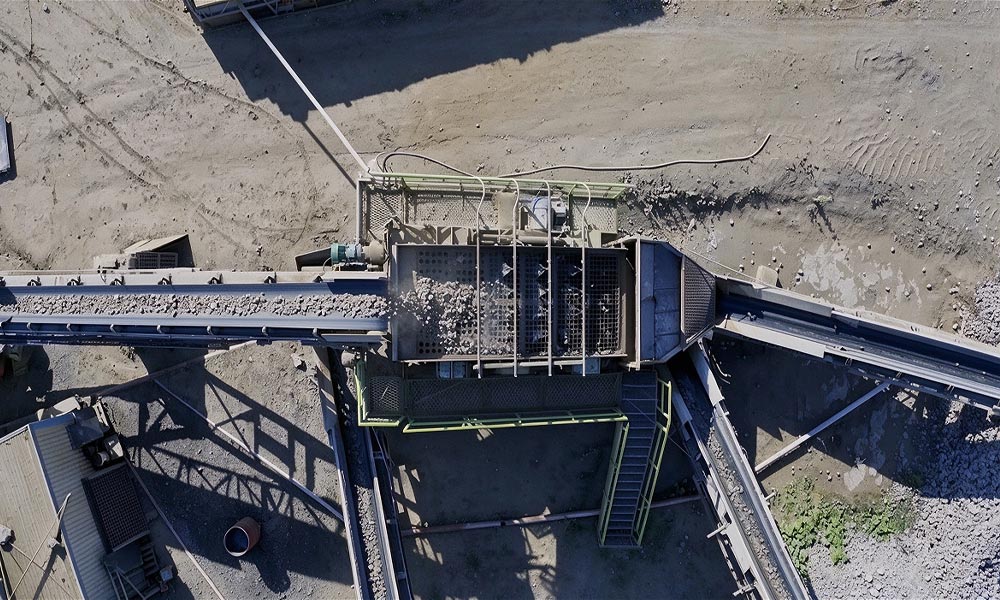
For gold processing plants, where downtime is costly and material is unforgiving, the impact and wear resistance of rubber screen panels represent a compelling operational upgrade. By effectively absorbing high-impact forces and resisting abrasive wear, they protect the screening equipment's integrity, reduce maintenance frequency, and lower long-term operating costs. Their performance directly enhances the reliability and efficiency of the entire crushing and screening process, making them a durable and cost-effective investment for maximizing throughput and profitability in abrasive gold ore applications. Contact our technical team to select suitable rubber screen panels for your gold ore crushing circuit.