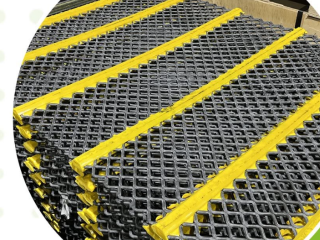
 Self-Cleaning Screen: Tensile Strength and Heat Treatment Hardening process">
If you re running heavy-duty Screening in mining or quarrying, you already know that standard mesh dies fast A high-carbon steel Self-Cleaning Screen changes the game ,but only if you understand what s happening inside the material
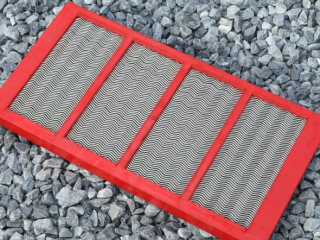 Self-Cleaning Screen Insufficient Tension: Risks You Can't Ignore and the Right Way to Re-Tension">
Insufficient tension on a Self-Cleaning Screen doesn t just slow you down It quietly destroys your equipment and wrecks your output Here s what actually happens, and how to fix it with proper secondary tensioning
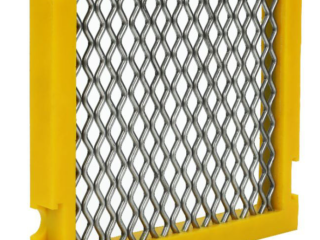 Self-Cleaning Screens: Maintaining Wear Resistance and Cleaning Properties Under High-Frequency Vibration">
Mining, quarrying, or recycling Screening operations often face problems such as rapid Screen wear and material accumulation, leading to increased downtime and impacting production profits PU-reinforced Self-Cleaning Screens change this situation
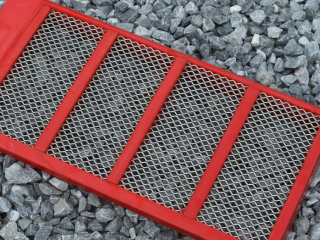 Self-Cleaning Screens">
Crimped Self-Cleaning Screens might look tough when they are new, but they often wear out faster than people expect If you want to reduce maintenance time and save money, you need to understand why these Screens fail and how to keep them running longer
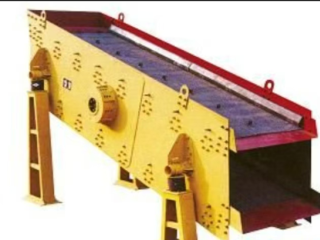 Screen Clogging Killing Your Production Efficiency? A Self-Cleaning Screen Fixes It">
Clogging which is a kind of material wedging into the mesh is the number one silent killer of vibrating Screen productivity The fix isn t more maintenance It s swapping to a Self-Cleaning Screen
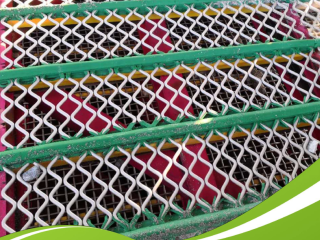 Self-Cleaning Screen Manufacturers">
When you re evaluating high-quality Self-Cleaning Screen manufacturers, it s not about the spec sheet ,it s about what happens on the production floor Here are the core processes that separate the reliable ones from the rest
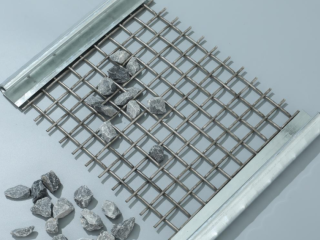 Self-Cleaning Screens vs Wire Woven Screens: Effective Aperture Ratio and Screening Efficiency Comparison">
When you actually compare the effective aperture ratio and Screening efficiency of Self-Cleaning Screens in depth, you ll find the difference is larger than anyone expected
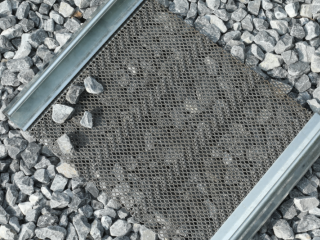 Self-Cleaning Screen: Why It's a Game Changer in Fine Particle Screening">
Anyone who has ever Screened fine particles knows that these materials often clog the Screen,leading to a decrease in throughput The D-type diamond Self-Cleaning Screen is designed to solve these problems
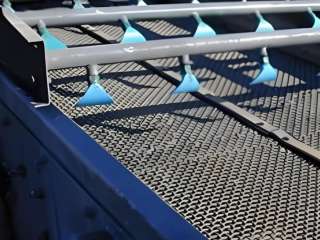 Self-Cleaning Screens for mines: ensuring efficiency and safety">
Since its unique Self-Cleaning function, Self-Cleaning Screens for mines can effectively prevent clogging of Screen holes and improve Screening efficiency
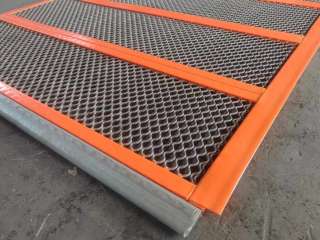 Self-Cleaning Screen for Your Screening Needs">
Selecting the appropriate Tension-Free Self-Cleaning Screen is crucial for industries like mining, construction, and recycling, where efficient material flow and reduced maintenance are essential
