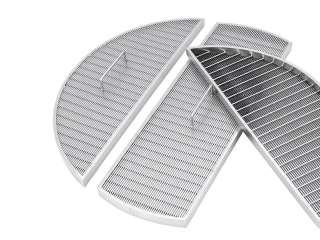
 Screen in Lithium Salt Lake Brine Filtration">
In the critical process of extracting lithium from salt lake brine, the wedge wire metal Screen is a key filtration component Its performance directly affects purity, efficiency, and uptime
 Screen Panels: A Comparison of Welding and Mechanical Locking Process">
The main ways of fixing the wedge wire Screen panels—welding or mechanical locking—take pretty different paths, each with its own upsides and best-fit scenarios
 Screen Panels and Deformation Resistance">
The long-term performance and reliability of rubber Screen panels in harsh Screening environments hinge on a crucial internal component
 Screen Panels in the Crushing and Screening Process of Gold Ore">
Rubber Screen panels have emerged as a superior solution, specifically engineered to withstand these dual challenges of severe abrasive wear from hard, sharp-edged particles
 Screening Sticky Materials of Phosphate Rock Using Rubber Screen Panels">
Processing sticky phosphate ore poses a significant challenge for operators The design of rubber Screen panels addresses this issue, significantly minimizing clogging during material processing
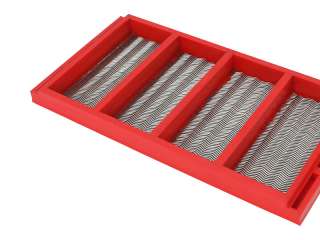 Screens of Various Specifications">
When selecting self-cleaning Screens, it is essential to understand their pricing and overall cost-effectiveness beforehand Prices vary depending on material, specifications, and quality
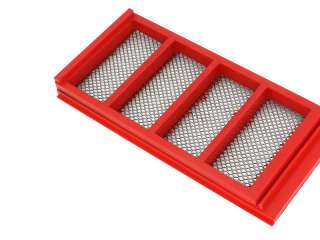 Screens under Moist and Sticky Operating Conditions">
Standard Screens really don’t stand a chance here That’s where self-cleaning Screens come in They’re built for these exact conditions, using clever design and smart materials to keep things moving, even when the going gets gummy
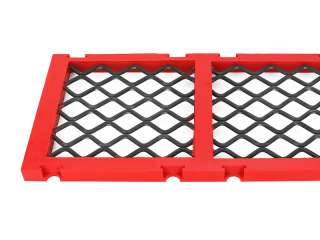 Screens in Processing Potash Materials">
The deployment of self-cleaning Screens specifically engineered for this duty offers a powerful countermeasure Their design directly targets the root causes of material caking
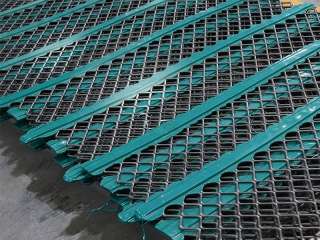 Screen Blinding and Improving Screening Efficiency in the Fine Screening of Iron Ore Using Self-Cleaning Screens">
The fine Screening of iron ore is notoriously difficult, primarily due to the material s tendency to blind Screens Moisture, ultra-fines, and clay bind together, clogging apertures and crippling throughput
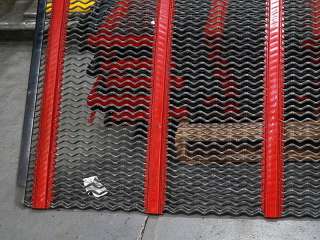 Screens with Existing Vibrating Screen Frames">
Integrating modern self-cleaning Screens into existing equipment is a cost-effective way to boost efficiency A successful retrofitting scheme ensures compatibility with your current vibrating Screen frames
