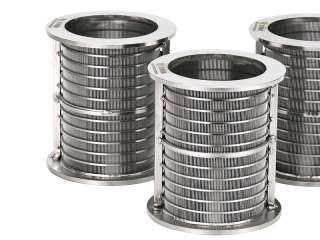
 screens">
Flat and cylindrical wedge wire screens are both built from that same durable, non-clogging V-shaped wire, but their shapes make them fit totally different application scenarios
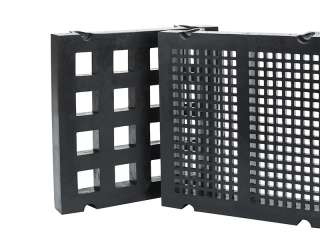 screen Panel Thickness for Light and Heavy Duty Use">
Picking the right rubber screen panel thickness might seem like a tiny detail, but it’s one of the easiest ways to slash unnecessary wear costs and keep your screening line running reliably
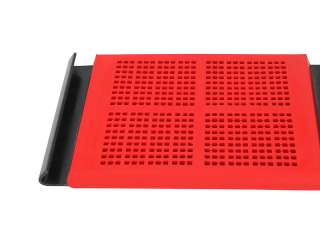 screen">
Understanding how the elongation of polyurethane materials affects the tear resistance of polyurethane screens helps in selecting screens suitable for specific operating conditions, maximizing the screen s value
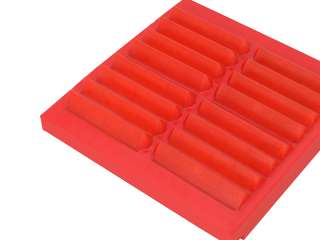 screens in mineral processing desliming">
Specialized polyurethane desliming screens are engineered specifically for the harsh, high-abrasion conditions of mineral desliming workflows, improving the performance of every downstream flotation and leaching stage
 screens in flammable dust environments">
Properly deployed antistatic polyurethane screens eliminate 90% of hidden static spark risks in high-flammability dust zones while retaining all the wear and efficiency benefits of regular polyurethane mesh
 screen Panels for Limestone Final Crushing: Noise Reduction & Impact Resistance Practical Guide">
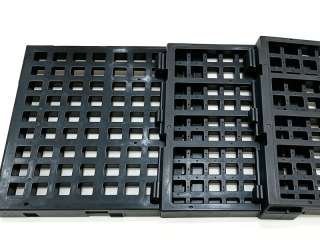
switching to purpose-built rubber screen panels at the final crushing stage can cut on-site noise by 15-20 decibels and extend screen service life, while maintaining consistent screening accuracy for your required final aggregate gradation
 screen Panels in the screening of High-Viscosity Laterite Ore">
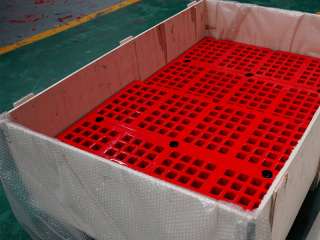
The right polyurethane screen panel cuts that downtime drastically, Picking the wrong PU aperture design, can leave you wasting money on a product that still can’t handle the unique stickiness and abrasive properties of laterite ore
 screening Efficiency Using High-Quality Polyurethane screen Mesh">
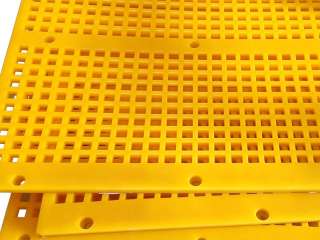
Premium polyurethane mesh is engineered to handle harsh continuous working conditions, cutting unplanned downtime by over 60% while pushing final screening accuracy to above 95% for most mineral and aggregate processing lines
 screen Panels in Mine Tailings Dry Stacking">
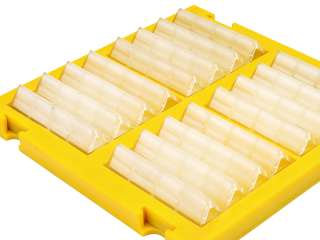
Polyurethane dewatering screen panels have become essential for mine tailings dry stacking They’re built to handle the heavy, abrasive flow of tailings you find in mining and they do that job better than traditional metal screens
 screen Panel System: Reduce maintenance downtime and enhance overall screening efficiency">
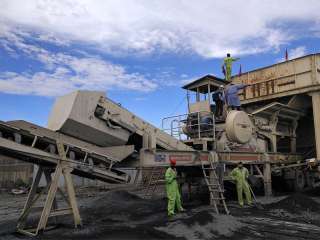
A modular rubber screen panel system fixes that exact pain point, letting you cut routine screen maintenance time by 70% or more while boosting consistent throughput far beyond what traditional woven metal screens can deliver
