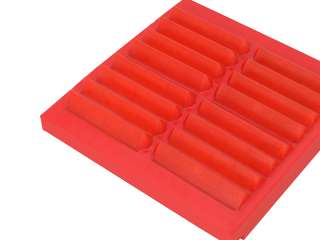
Specialized polyurethane desliming screens are engineered specifically for the harsh, high-abrasion conditions of mineral desliming workflows, improving the performance of every downstream flotation and leaching stage
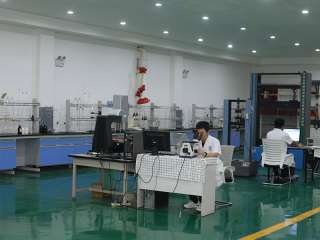
Properly deployed antistatic polyurethane screens eliminate 90% of hidden static spark risks in high-flammability dust zones while retaining all the wear and efficiency benefits of regular polyurethane mesh
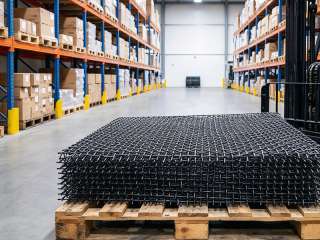
Meeting the targeted impact resistance requirements for wire woven screens doesn’t just eliminate unexpected failures—it can extend service life 3 to 5 times longer than generic alternatives
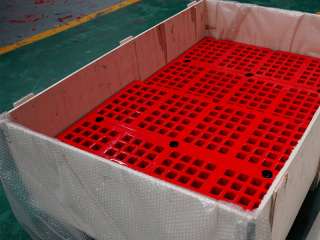
The right polyurethane screen panel cuts that downtime drastically, Picking the wrong PU aperture design, can leave you wasting money on a product that still can’t handle the unique stickiness and abrasive properties of laterite ore
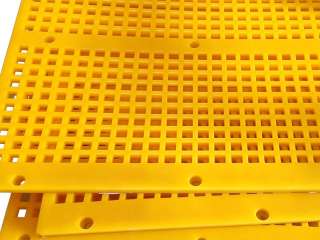
Premium polyurethane mesh is engineered to handle harsh continuous working conditions, cutting unplanned downtime by over 60% while pushing final screening accuracy to above 95% for most mineral and aggregate processing lines
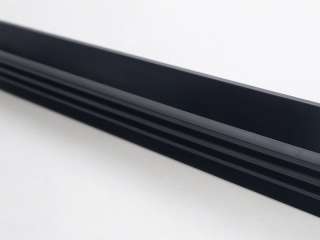
While metal clamping strips have their place, polyurethane strips are the clear winner for most modern screening and conveying operations Their superior resistance to vibration, corrosion, and abrasion translates directly into longer service life
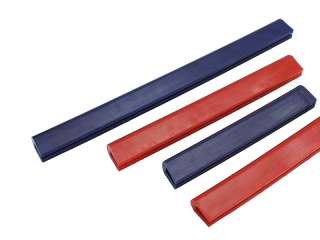
Traditional belt changes can take hours, but modular rubber strip systems are built for speed With the right steps, you can swap strips in minutes,getting your operation back on track fast

When it comes to locking down steel gratings in plants, mines, or industrial sites, the installation method matters—a lot The wrong setup doesn’t just annoy maintenance crews; it risks real safety hazards
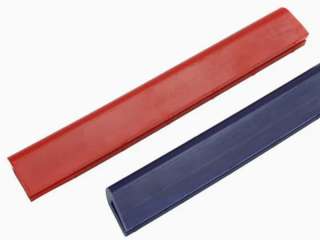
In the material screening process, the screen mesh is not the only key component; seemingly inconspicuous parts—such as the gaskets and dust-proof sealing strips on rubber vibrating screens—play a vital role
Under high pressure operating conditions, tear resistance and open area are the two critical parameters determining screening performance; a balance between them is essential to ensure the final quality of the screening process
