Guide to the Quick Replacement Modular Rubber Strip System
If you run a conveyor in aggregate, recycling, or bulk handling, you know the drill: a worn rubber strip brings the whole line to a halt. Traditional belt changes can take hours, but rubber strip systems are built for speed. With the right steps, you can swap strips in minutes—not hours—getting your operation back on track fast. Here’s how to do it right.
Why Modular Rubber Strip Systems Save Time
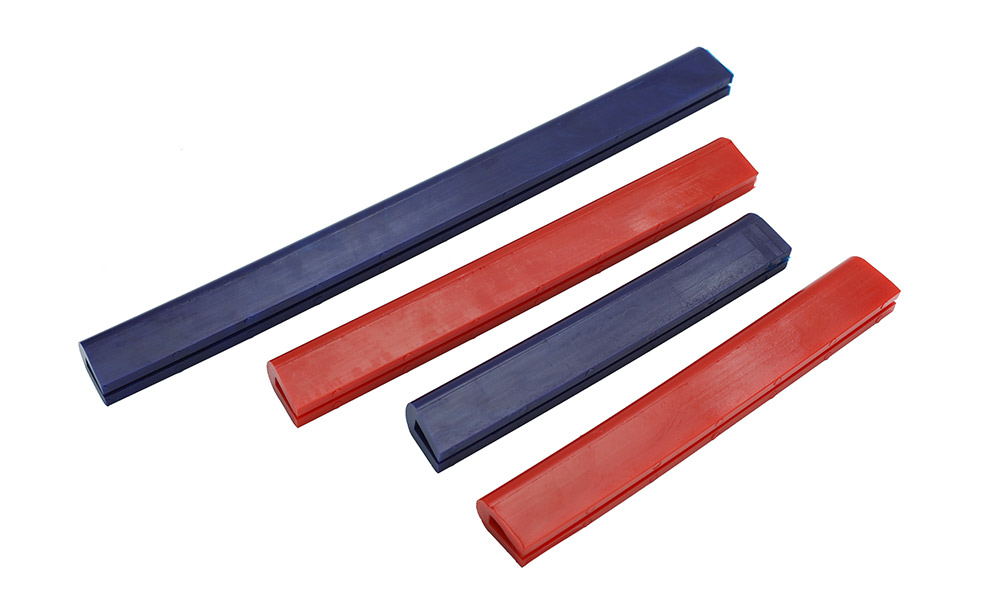
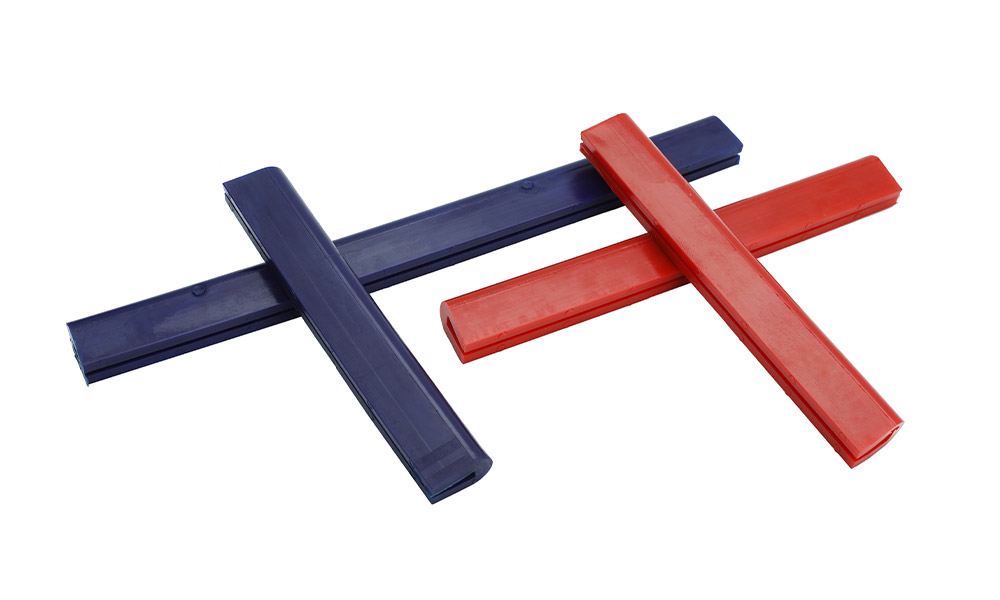
Modular rubber strips snap into standardized frames, unlike glued or vulcanized belts that need curing time. Each strip is independent: if one wears out, you replace just that section—no need to rip up the entire belt. Most Modular rubber strip systems use simple locking tabs or pins, so you don’t need torches, adhesives, or heavy tools. For operations where downtime costs thousands per hour, this speed is a game-changer.
Step-by-Step Replacement Guide of modular rubber strip system
Firstly, Prep Safely.Lock out the conveyor, release tension, and raise the belt to access the worn strip. Wipe away debris so you can see the locking mechanism clearly. Secondly, Remove the Old Strip.Locate the locking tabs or pins—usually on the strip’s underside or edge. Press or pry them open with a flathead screwdriver or the tool provided by your manufacturer. Slide the strip out of its frame. If it’s stuck, avoid metal hammers; use a rubber mallet instead. Thirdly. Install the New Strip.Check the replacement strip matches the old one. Align it with the frame’s grooves, then press firmly until you hear the locking tabs click into place. Give it a gentle tug to confirm it’s secure. Finally,Test Run.Restore tension, remove LOTO devices, and run the conveyor empty for 2 to 3 minutes. Watch for misalignment or unusual noise—if the strip shifts, stop and re-seat it.
Pro Tips for Faster Changeovers
Stock Spares: Keep pre-cut strips for your most-worn sections in your maintenance closet. Label Everything: Mark frames with strip sizes to avoid grabbing the wrong part mid-repair. Train Your Team: Practice remova or installation during slow shifts—muscle memory cuts minutes off changeovers when it counts.
Replacing a modular rubber strip system isn’t just easy—it’s one of the fastest ways to slash unplanned downtime. By following these steps and keeping spares on hand, you’ll spend less time fixing conveyors and more time moving material. For teams looking to hit ambitious uptime targets, mastering this 5-minute skill is a no-brainer.