Sealing the Deal: How Gaskets and Strips Keep Mining Operations Clean and Compliant
Walk through any modern mine, and you’ll notice something: the air is clearer, and the ground is cleaner. This is by no means a coincidence; rather, it is the result of the combined effect of stricter environmental standards and advanced engineering design. In the material screening process, the screen mesh is not the only key component; seemingly inconspicuous parts—such as the gaskets and dust-proof sealing strips on rubber vibrating screens—play a vital role. These small components enable facilities to meet stringent local environmental regulations without compromising production efficiency.
Stopping Dust at the Source
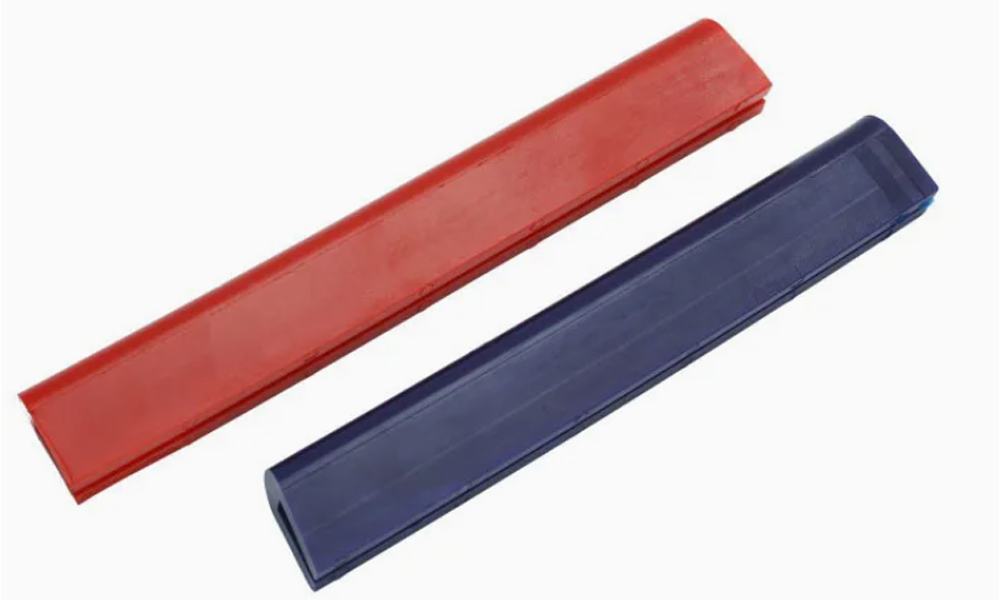
In dry screening, dust is the enemy. It doesn’t just create a mess; it’s a respiratory hazard and a major environmental concern. Gaps between screen panels or where the screen meets the frame are prime escape routes for fine particles. This is where dust-proof sealing strips come in. Made from flexible, wear-resistant rubber, these strips create a tight barrier that moves with the vibration. Instead of leaking into the atmosphere, the dust stays contained within the screening system. For an operator, this means a safer workplace and a much easier time passing air quality inspections.
Where Dust Actually Escapes: Transfer Points, Enclosures and the Gaps in Between
Respirable dust rarely leaves a plant through a hole anyone would call a hole; it leaves through the seams. A chute skirt sitting fifteen millimetres proud of the belt, an enclosure panel that has racked slightly out of square after a decade of vibration, an access door that latches but does not seal — each is a continuous slot running along the path of the material, and dusty air under slight positive pressure will find every one of them. In silica-bearing ore this is not a housekeeping issue but a compliance one, because respirable crystalline silica is regulated at concentrations where a visibly dusty transfer point is almost certainly over the limit, and the controls that inspectors look for — enclosure, wet suppression, local extraction — only work if the enclosure is actually sealed. This is the first place where gaskets and strips earn their cost: continuous skirt sealing along the load zone, flexible strip closures on enclosure joints that move with the structure instead of cracking, and compression seals around doors and inspection hatches that get opened weekly. A plant that seals its transfer points properly usually discovers that its baghouse and spray systems start performing better too, because they were never sized to handle the uncontrolled leakage they had been quietly absorbing.
Spillage, Carryback and the Cost That Never Gets Booked
The second leak is material leaving the circuit, and it is expensive in a way that never appears as a line on a cost report. Spillage at transfer points means material on the floor, material on walkways, and material under the belt where it accelerates idler wear and mis-tracking; carryback on the return side means fines dropped along hundreds of metres of conveyor, plus the water, labour and disposal cost of cleaning it. Add the safety dimension — wet, slick walkways and stairways are among the most common contributors to slip and trip incidents underground and on surface — and the cost of a poorly sealed transfer point climbs well beyond the price of the sealing component. Well-specified gaskets and strips address this at the source rather than downstream: skirt systems that maintain light, continuous contact with the belt without abrading the cover, end seals and corner blocks at the loading zone where material escapes sideways, and wear-compensating strip profiles that keep sealing as the rubber wears rather than opening a gap after the first month. The point worth making to anyone who buys these parts on price alone is that the cheapest skirt rubber is expensive the moment it scores a belt cover, and a belt is not a consumable anyone wants to replace because of a five-dollar strip.
Reagent Containment and the Environmental File
The third category is the one that turns a maintenance decision into a legal one. Flotation reagents, acid leaching circuits, cyanide or caustic handling, fuel and hydraulic oil, and tailings or process water lines all pass through flanges, pump casings, tank lids, manways and pipe penetrations, and every one of those joints is a potential release that an inspector will photograph, sample, and attach to a report. Secondary containment is only as good as the seals at its penetrations and its lowest seam, and a bundled area with a perished strip at the base of the wall is a bund in name only. In these services, gaskets and strips have to be selected chemically rather than mechanically — a nitrile or EPDM compound that handles one reagent will swell, soften or crack in another, and a gasket that looked correct at installation can be weeping at a flange within weeks without anyone noticing until the ground underneath changes colour. The practical discipline is to keep a written schedule of every sealing location that touches hazardous fluid, with the compound, temperature range and replacement interval recorded, so that the environmental file and the maintenance plan are the same document rather than two lists that disagree.
Preventing the "Slow Leak" of Slurry
It’s not just about dry dust. In wet screening or slurry applications, gaskets are critical. A worn or missing gasket between modular rubber screen panels allows process water and fine solids to leak onto the support structure and the ground below. Over time, this creates a corrosive mess that violates runoff regulations. High-quality rubber gaskets create a watertight seal, ensuring that all the slurry follows the intended path—usually to the sump or dewatering circuit. It’s a simple way to prevent environmental contamination and avoid costly cleanup fines.
Reduces operating noise and complies with regulatory standards
Here’s a bonus that often gets overlooked: sealing strips help with noise pollution. The constant rattling of a screen deck against a bare metal frame is a major source of complaints from nearby communities. Rubber gaskets act as a dampener. By cushioning the contact points, they significantly reduce the high-frequency clatter. In an era where "social license to operate" is as important as permits, keeping the neighbors happy is a huge win.
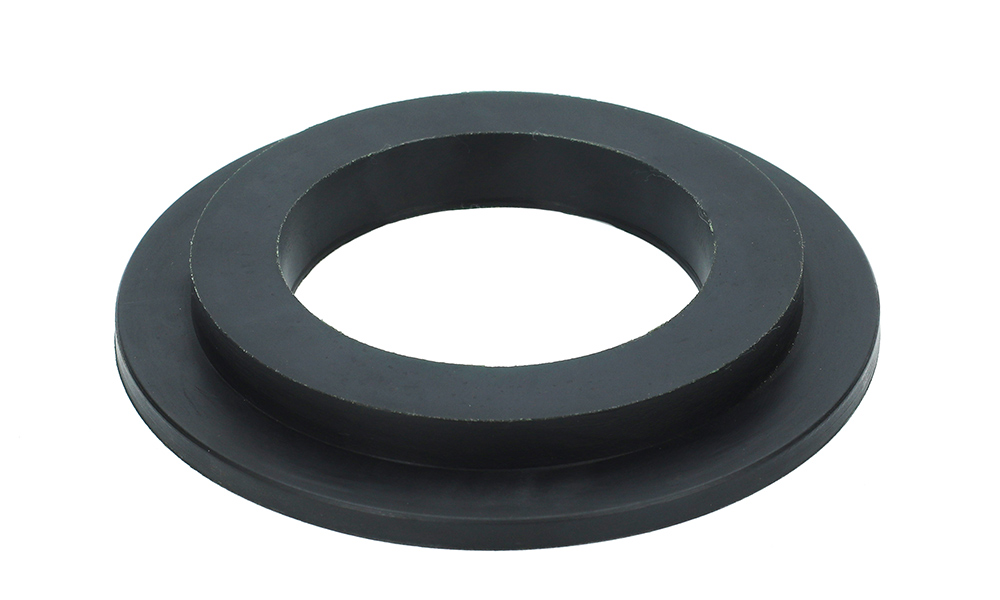
In summary, for rubber vibrating screens, gaskets and dust-proof sealing strips are far more than mere accessories. They are essential for ensuring that screening operations comply with environmental regulations, protecting air quality, preventing water pollution, and reducing noise. Selecting high-quality seals is not only part of routine maintenance but also a crucial step toward meeting regulatory standards and upholding the company's image.