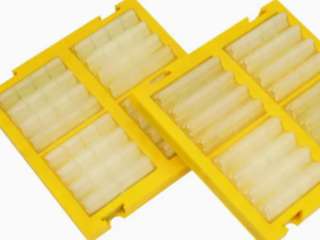
 polyurethane screens in Sand Washing">
Sand washing operators love polyurethane screens — until they get the invoice These flexible panels deliver impressive dewatering performance, but the consumable costs add up quietly across a busy production line
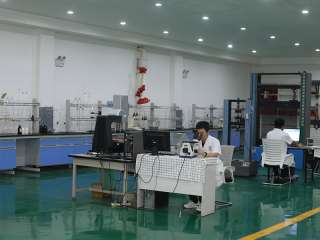 polyurethane screens in flammable dust environments">
Properly deployed antistatic polyurethane screens eliminate 90% of hidden static spark risks in high-flammability dust zones while retaining all the wear and efficiency benefits of regular polyurethane mesh
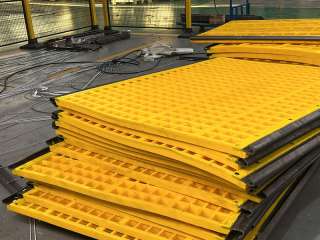 polyurethane screens in the Screening of Fine-Grained Particles">
A properly designed high open-area polyurethane screen can push fine particle screening efficiency above 95%, while still retaining the wear resistance and long service life that PU media is known for
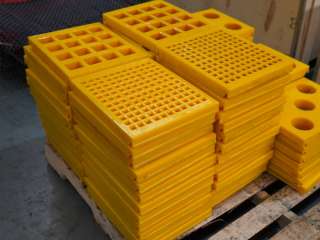 polyurethane screens for Fine Iron and Gold Ores">
Upgrading to polyurethane screens for fine mineral grading is a strategic move It solves the blinding issues associated with fine materials, guarantees precise classification, and ultimately boosts the efficiency of your operation
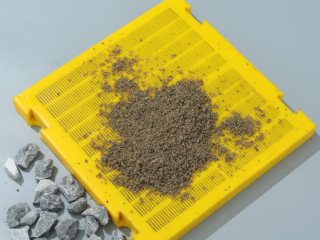 polyurethane screens in Extreme Temperatures and Environments">
The performance of polyurethane screens differs significantly from most people s expectations They perform well in extreme high and low temperatures, directly impacting whether your equipment can withstand the entire season
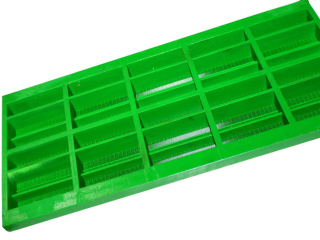 polyurethane screens in Primary Crushing: How They Handle Large Ore Pieces">
The shift toward heavy-duty polyurethane screens isn t a trend It s a response to real wear problems when you re throwing 300mm+ ore at a screen deck at full belt speed
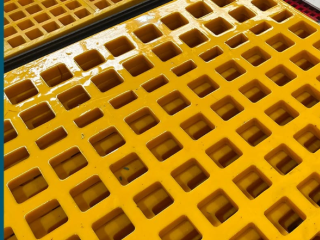 polyurethane screens: Preventing Premature Wear">
Most mine operators learn this the hard way: the lifespan of a tensioned polyurethane screen can be 3-5 times that of a steel screen, or it might fail in just a few weeks What s the difference?
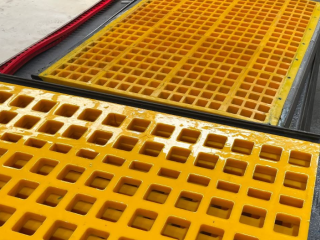 polyurethane screens compared to metal mesh">
polyurethane mesh solves three major problems that metal mesh can never solve: clogging, noise, and excessive weight
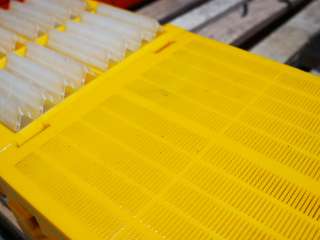 polyurethane screens Drives the Update of Screening Media">
The rapid development of polyurethane screens has gradually replaced the use of other types of screens in the screening industry
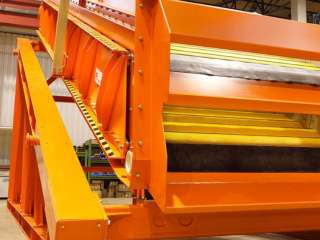 polyurethane screens: ensuring efficiency and safety">
polyurethane screens have been widely used in the field of industrial screening due to their excellent properties such as wear resistance, corrosion resistance, and high strength
