Tips to Maximize Performance of Polyurethane Screens in Wet Coal
If you have ever run a wet coal or ore screening circuit, you know how easy it is to end up with out-of-spec product, lost fine recovery, and constant blinding even after you swap to brand new high-quality polyurethane screen media. After years walking wet processing decks with plant foremen across North China’s coal preparation and mineral processing sites, I have seen far too many teams install premium screens but miss small, simple setup and operation tweaks that leave 30 percent of the screen’s performance potential completely on the table. This practical, field-tested guide breaks down the actionable, easy-to-implement screening skills that unlock the full performance of your polyurethane screens, drawing on real on-site lessons that generic supplier manuals never mention.
Match Panel Hardness And Aperture Style To Your Exact Wet Feed Properties
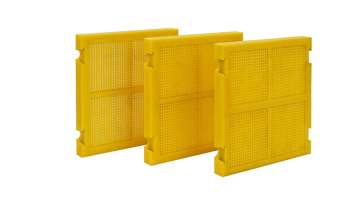
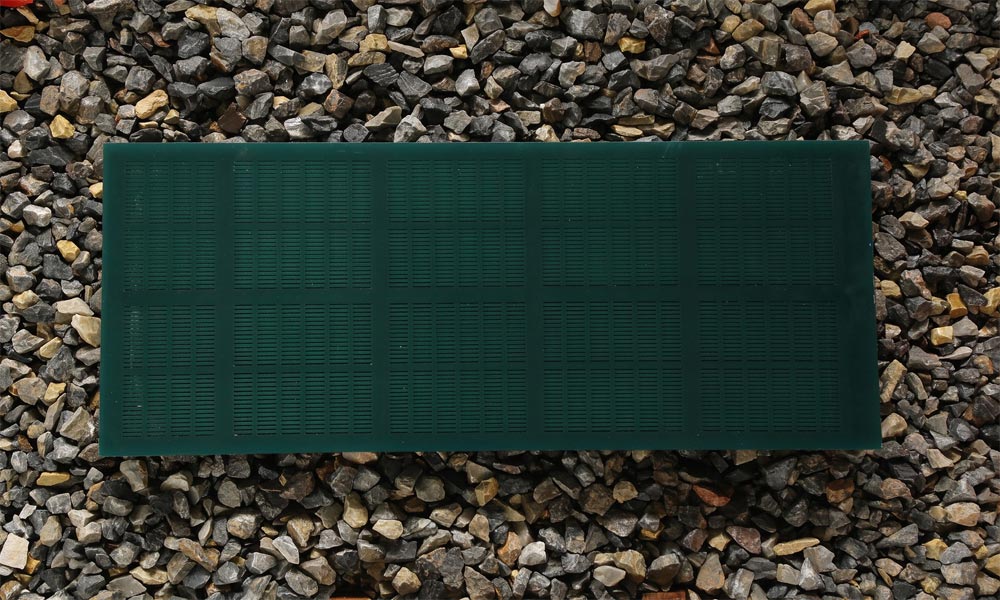
The first foundational skill that most operations miss is picking the exact right polyurethane panel formulation and aperture shape for their specific wet feed, instead of using a generic one-size-fits-all panel that cannot handle their unique material characteristics, and this simple adjustment will immediately make your Polyurethane Screens deliver far better classification results. For high-clay sticky wet coal that clogs standard square apertures, you should pick a slightly softer 60-65 Shore A polyurethane formulation with long slotted tapered apertures that flex easily to shake loose pegged clay particles, while for sharp abrasive wet hard ore, you should use a firmer 75-80 Shore A mix with round apertures that resist gouging and wear far longer. Most operations default to the medium-hard general purpose panel that sits in the middle, but taking the time to match the exact material properties to your feed will double panel service life and cut blinding frequency in half right away.
Tune Deck Stroke, Angle And Vibration Frequency For Wet Material Flow
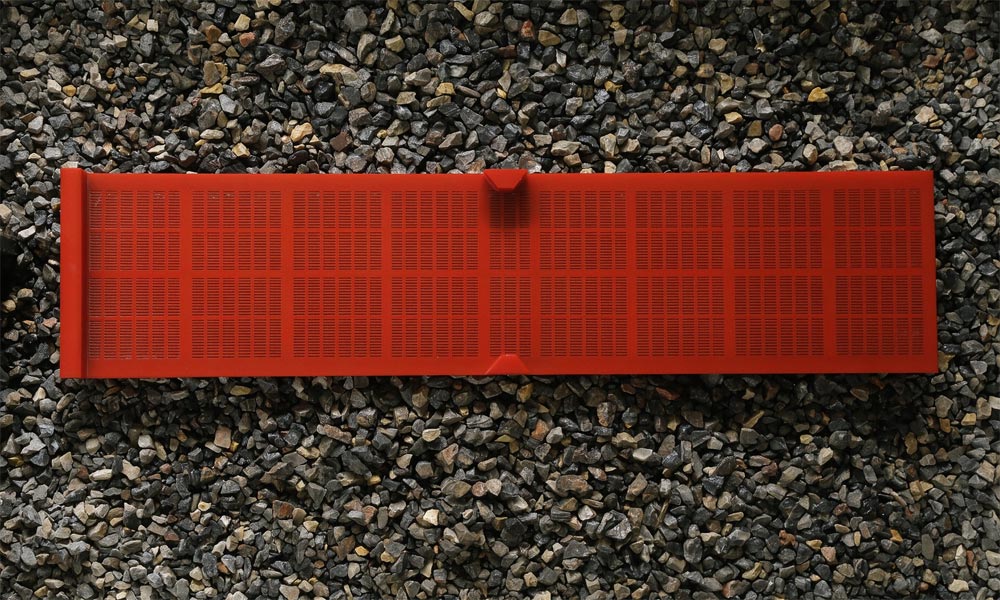
The second high-impact skill is adjusting your shaker’s operating parameters to match the unique physical properties of polyurethane screen media, instead of running the exact same stroke, angle, and frequency you used for old heavy steel wire screens, and this small calibration step will unlock massive performance gains from your Polyurethane Screens. Unlike heavy steel decks that need a large high G-force stroke to move material across the surface, lighter polyurethane panels work far better with a slightly reduced stroke length and higher vibration frequency that creates more small, fast flexing movement in the panels to shake loose stuck wet fine particles. For most wet coal and ore circuits, dropping your deck angle by 1 to 2 degrees and shifting your stroke from 12mm down to 8-10mm will slow the travel speed of wet material across the deck just enough to give water far more time to drain through, drastically reducing product moisture and stopping wet sticky material from rushing across the top of the screen without ever being properly sized.
Zone Your Deck Layout To Match Different Stages Of Wet Screening
The third underused practical skill is laying out your modular polyurethane panels in distinct functional zones across the deck, instead of covering the entire surface with the exact same panel design, and this zone-based layout will drastically boost your separation precision and final product quality with your Polyurethane Screens. On the first 20 percent of the deck right at the wet feed entry point, install high-impact reinforced panels with larger apertures to quickly drain off the bulk of free excess water before it can flood the rest of the screening surface, on the middle 60 percent of the deck use precision-sized anti-blinding panels with your exact target cut point aperture to do the main fine classification work, and on the final 20 percent of the discharge end use high open-area slotted panels to do the final dewatering pass on the finished sized product. This simple zoned layout eliminates the most common wet screening problems like deck flooding, inconsistent sizing, and high final product moisture that happen when you force a single panel design to do three completely different jobs.
Implement Targeted Preventive Maintenance Instead Of Reactive Replacement
The fourth easy-to-implement skill is running a simple, regular 5-minute daily inspection routine for your polyurethane screens, instead of waiting until a panel tears completely to replace it, and this small habit will extend the total service life of your entire deck by 30 percent or more while avoiding unexpected unplanned downtime. Every shift during a short scheduled process stop, walk the deck and quickly check for small localized wear spots near the feed zone, minor edge loosening on panel fasteners, and any small damaged apertures that could start letting oversize material contaminate your product. If you spot a single worn or damaged panel, swap it out immediately during that scheduled stop, instead of letting it tear open completely mid-shift and force an unplanned full deck shutdown that derails your entire production schedule. This tiny bit of proactive maintenance keeps your screens running at 100 percent classification efficiency for their entire service life, with zero unexpected failures.
At the end of the day, getting the best possible finished material from your wet ore and coal screening circuit is not just about buying the most expensive premium polyurethane screens; it is about using these simple, field-proven operational skills to unlock every bit of performance the panels have to offer. Matching panel properties to your feed, tuning your shaker operating parameters, zoning your deck layout, and running small proactive daily checks combine to cut blinding, boost classification precision, lower final product moisture, and extend panel service life, all with zero extra capital investment. For operations that have already upgraded to good quality polyurethane screens but still struggle with inconsistent wet screening performance, these small easy changes will deliver immediate, measurable improvements to your final product quality and overall circuit profitability.