Flip Flow Polyurethane Screens for Wet Screening Blinding Solutions
If you’ve ever spent half your shift crouched on a damp coal washing deck, scraping thick sticky clay clumps out of every blinded screen aperture with a crowbar, while hundreds of tons of high-moisture raw coal pile up on the oversize belt and your whole circuit’s throughput drops to less than 40% of its rated target, you know exactly how much blinding from wet coal and clay can turn your sizing and dewatering step into your entire plant’s most frustrating daily bottleneck. After years of chatting with operations and maintenance leads across northern China’s high-moisture coal washing plants, clay processing yards and weathered mineral sites, nearly every single one shared that they fought this persistent blinding problem for decades with traditional rigid steel screens, until they tested a purpose-built flip flow design and realized most of that daily messy manual clearing work was completely unnecessary. This no-fluff field-tested guide breaks down exactly how high-performance Flip Flow Polyurethane Screens solve the most stubborn wet coal and sticky clay screening pain points, no empty marketing buzzwords, just insights pulled straight from hundreds of real on-site operational logs.
Dynamic Alternating Flex Motion Automatically Shakes Loose Wedged Clay Fines
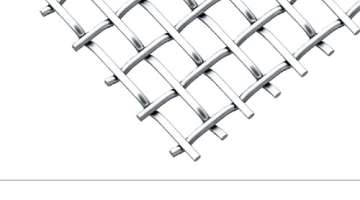
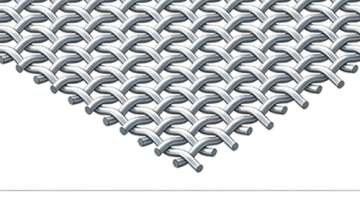
The first core anti-clogging advantage no traditional rigid vibrating screen can match is the unique dual-eccentric-shaft driven alternating flex motion that purpose-built Flip Flow Polyurethane Screens deliver with every single vibration cycle, a dynamic action that automatically wiggles loose near-size sticky clay and wet coal particles that try to wedge in apertures before they can pack tight and blind the deck. Traditional rigid steel panels stay completely static even under maximum high-frequency vibration, so soft damp clay particles get wedged tight in square openings and stay stuck there, packing harder and harder until the whole deck is sealed over with a solid layer of wet ore that stops all sizing entirely. The flexible PU panels stretch and bounce rapidly on every vibration stroke, so even the wettest, stickiest near-size particles can never lock themselves permanently into an aperture, and get shaken loose automatically to fall through the opening. High-moisture coal washing plants processing 25%+ moisture raw slack coal reported that manual blinding clearing work dropped by more than 90% after installing these panels, with no more mandatory mid-shift full shutdowns to dig out wedged material.
Non-Stick Low-Friction PU Surface Stops Clay From Caking On
The second critical performance trait that drastically cuts long-term blinding risk is the specially formulated non-stick low-friction surface finish that every high-quality Flip Flow Polyurethane Screens feature, a smooth material property that stops damp sticky clay and wet coal fines from adhering and caking onto the panel surface in the first place. Traditional rough steel panel surfaces are covered in tiny micro-pits and sharp texture points that give soft wet clay a perfect surface to cling to, building up a thick caked-on layer of ore across the whole deck that can’t be shaken loose even at maximum vibration stroke, forcing you to spray huge volumes of high-pressure water onto the deck to wash it clean. The smooth non-porous PU surface has no tiny crevices for sticky material to stick to, so even the wettest, stickiest material slides right across the top without caking onto the panel. Clay processing yards reported that thick caked-on ore layers on the deck completely disappeared, and they cut their deck wash water consumption by more than 60%.
Tapered Zero-Corner Apertures Eliminate Permanent Wedge Points
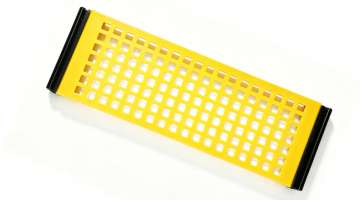
The third game-changing design advantage built for wet coal and clay processing is the full tapered zero-corner aperture geometry that a specialized Flip Flow Polyurethane Screens use, a shape that removes every sharp 90-degree internal corner that acts like a tiny pocket to catch and hold soft damp clay fines. Standard square steel apertures have sharp internal corners that trap sticky particles, letting them build up slowly until the whole opening is completely sealed shut, even when the rest of the deck is still running fine. The tapered PU apertures are wider on the underside than the top feed side, with no sharp internal edges at all, so even the softest, stickiest fine particles can never find a corner to lock into, and slide straight through the opening without getting stuck. Fine coal dewatering plants reported that aperture blinding rates fell by more than 75% after switching to these tapered apertures, and their final dewatered fine coal product moisture content improved by 3 percentage points with no extra dewatering equipment added.
Modular Quick-Swap Layout Cuts High-Wear Zone Downtime
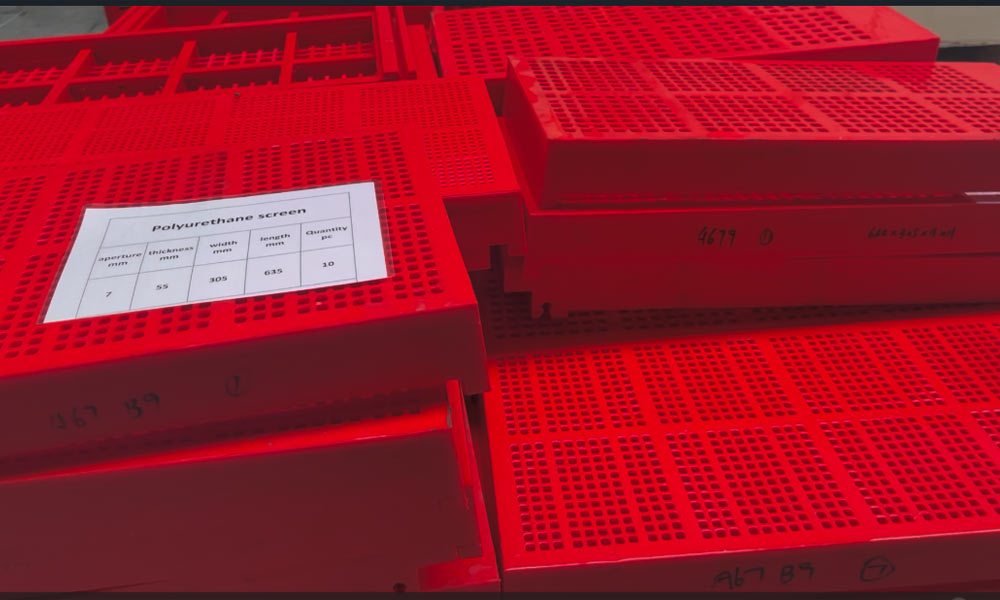
The final practical operational advantage that makes these panels perfect for continuous wet sticky material processing is the simple modular quick-swap panel layout that most industrial-grade Flip Flow Polyurethane Screens use, a design that lets you pull out and replace individual worn panels in minutes without pulling apart the whole screen deck or unbolting heavy frame components. Traditional large one-piece rigid screen panels force you to shut down for hours of work to unbolt and remove the whole heavy panel, even if only the small high-wear feed zone section is worn out. The lightweight modular PU panels clip straight onto the deck’s support rails without any extra bolts or complicated tools, so a single maintenance worker can swap out a worn panel in less than 5 minutes, no heavy lifting or special equipment required. Coal washing plants that adopted this modular design found that total screen maintenance downtime fell by more than 80%, and they could replace individual worn sections during short scheduled breaks without stopping full circuit operation for hours.
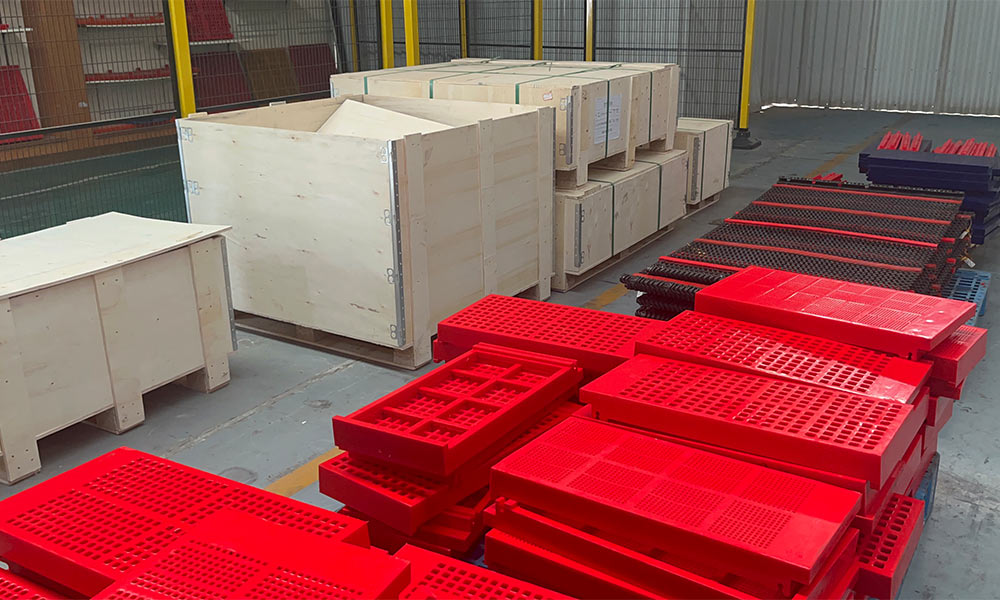
By deploying a purpose-built set of Flip Flow Polyurethane Screens tuned specifically for wet coal and sticky clay processing, you can eliminate almost all daily manual blinding clearing work, drastically boost your processing circuit throughput, and cut your total annual screen maintenance costs by more than half compared to running traditional rigid vibrating screens.