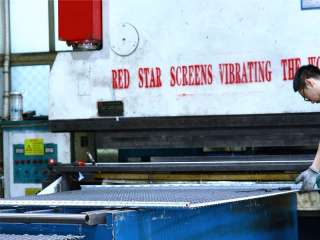
 Wire Woven Screens in Copper Ore Beneficiation">
Properly selected Precision Wire Woven Screens solve these persistent pain points perfectly, bringing far more stable classification performance and longer service life to the harsh copper beneficiation working conditions
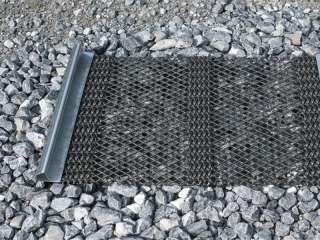 Screens vs Wire Woven Screens: Effective Aperture Ratio and Screening Efficiency Comparison">
Self-Cleaning Screens and Wire Woven Screens are built on opposite philosophies: one treats the surface as a rigid gate, the other as a living, breathing filter that refuses to stay plugged
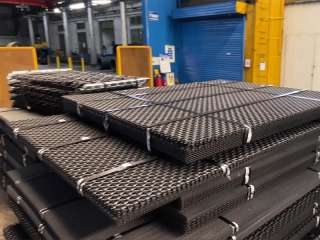 Screen Wire Mesh for Fine and Coarse Screening">
The biggest, most immediately noticeable performance difference with a quality high tensile Vibrating Screen Wire Mesh is how tough its custom-formulated alloy base is
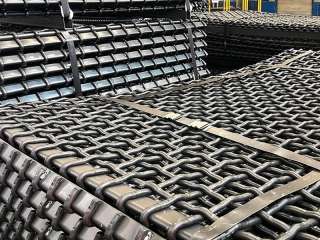 Wire Diameter and Open Area Ratio for Woven Screens Used in High-Frequency Vibrating Equipment">
Selecting metal Woven Screens for high-frequency vibrating equipment requires finding the optimal balance between Wire diameter and open area ratio
 Woven Wire Screens">
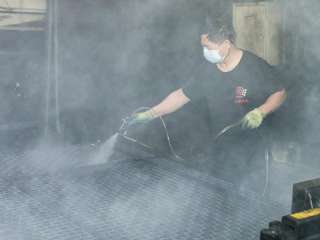
The Screen s ability to maintain its precise opening size under load and vibration This is where the fundamental construction difference between double-crimp and single-crimp Woven Wire Screens dictates their lifespan and accuracy
 Woven Metal Screens for Heavy-Duty Coal Screening">
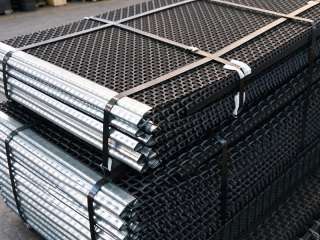
Woven metal Screens that survive here are not just tough—they re engineered for two specific battles: resisting the physical impact of large lumps and preventing the adhesive clogging of wet fines
 Woven Wire Screen in outdoor open-pit mines">
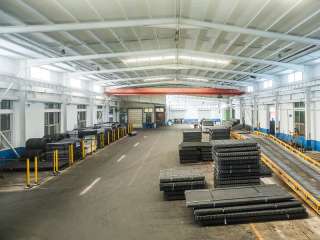
Hot-dip galvanized Woven Wire Screens are everywhere in open-pit mines They’re supposed to stand up against the harsh elements, but let’s be real, mining throws a lot more at them than a gentle breeze or a little drizzle
 Woven Metal Wire Screens in the Manganese Ore Screening Process">
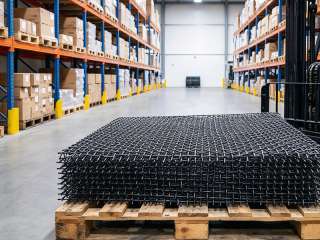
Meeting the targeted impact resistance requirements for Wire Woven Screens doesn’t just eliminate unexpected failures—it can extend service life 3 to 5 times longer than generic alternatives
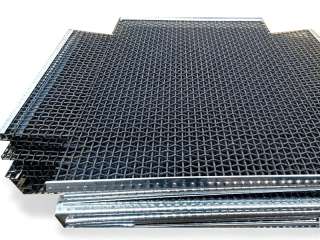 Woven Screens in the Ore Screening Process">
For mine operations processing acidic leach ore, high-sulfur coal or salt-containing mineral deposits, premature failure of metal Woven Screens from combined abrasive wear and chemical corrosion can cut production uptime by 40% or more
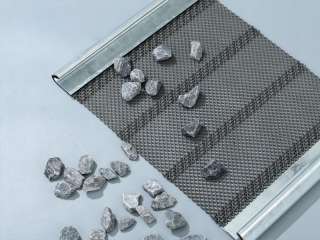 Wire Mesh Screens in Sand Making Production Screening Process">
Rapid wear of a Metal Woven Screen in this process is rarely caused by a single dramatic failure; it is usually the slow accumulation of abrasive slurry mist
