High Tensile Vibrating Screen Wire Mesh: Key Performance Advantages
If you’ve ever had a brand new screen panel rip completely right down a single wire seam just 3 days after installation — especially when you’re running flat out at 100% maximum throughput to hit a make-or-break monthly production target for a major long-term customer — you know exactly how frustrating, costly and disruptive cheap, low-tensile mesh can be. It throws your whole carefully mapped production schedule completely off track, sends your whole maintenance team scrambling for emergency replacement parts in the middle of a busy shift, and eats up your entire monthly consumable budget before you’re even halfway through the month. Over the years, I’ve spent hours chatting shop floor stories with folks leading maintenance teams across mines, quarries, industrial sand plants, and construction recycling yards all across northern China. Almost every single one of them told me they used to think all screen mesh was pretty much the same generic commodity — until they finally made the switch to properly engineered high tensile wire mesh. That’s when they realized their old “bargain” low-bid panels were actually costing them twice as much in unplanned downtime, overtime labor and premature replacements every single year. This guide doesn’t mess around with empty marketing buzzwords or exaggerated performance claims.
High Tensile Alloy Base Handles Heavy Coarse Material Without Permanent Bending
The biggest, most immediately noticeable performance difference with a quality high tensile Vibrating Screen Wire Mesh is how tough its custom-formulated alloy base is, purpose-built to absorb punishing repeated impacts from large heavy chunks of raw rock and unprocessed run-of-mine ore. Standard low-tensile mild steel wire simply can’t take that level of consistent abuse — drop a 200mm coarse rock straight onto the deck from the primary crusher discharge and it will instantly dent, permanently stretch, or warp completely out of shape. Suddenly you’ve got saggy uneven panels that ruin material travel speed across the deck, completely messed up separation flow, and dozens of near-size particles getting wedged into distorted apertures where they shouldn’t be. Properly made high tensile mesh isn’t just generic off-the-shelf metal; it’s blended with carefully calibrated levels of manganese and silicon, then treated with a precision multi-stage quenching process that pushes its total tensile strength past 1700 Mpa. So even when the heaviest coarse rocks slam down onto the deck at full force, the wire only flexes temporarily and snaps right back to its original perfectly flat shape immediately after impact. Local granite quarries that switched to high tensile Vibrating Screen Wire Mesh for their primary scalping decks saw average panel service life jump from 2 weeks to over 6 weeks.
Uniform Wire Diameter Tolerance Means Consistent Aperture Accuracy for Fine Screening
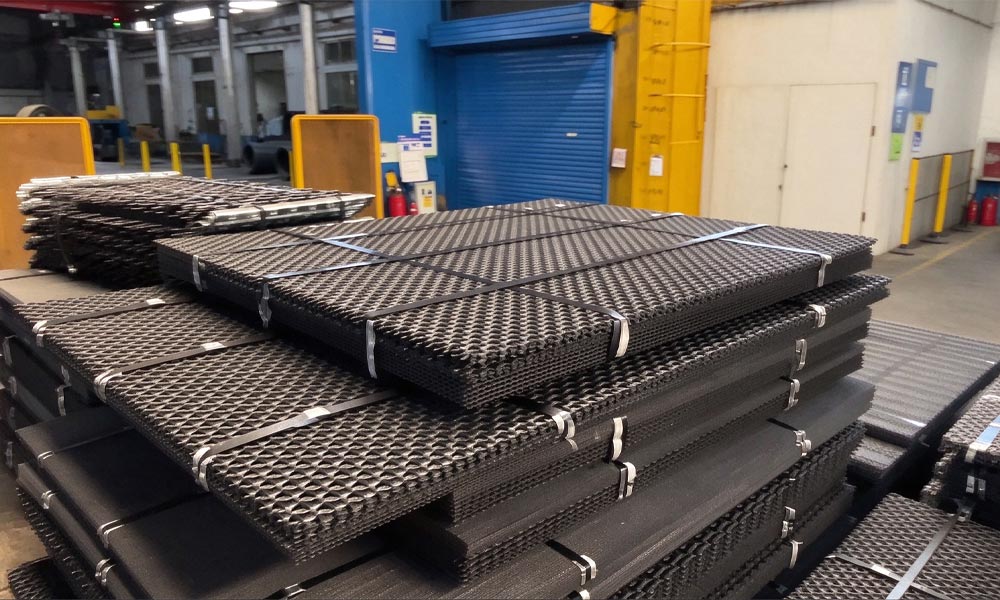
When you’re running precision fine screening applications where tight, consistent final product gradation is non-negotiable, wire diameter consistency matters far more than most people ever realize. Cheap generic mesh uses low-quality low-tensile drawn wire with extremely loose manufacturing tolerances that can vary by 15% or more across different sections of the same single panel. You end up with wildly uneven apertures that let fine undersize particles slip through when they shouldn’t, or trap good finished material on the oversize side, forcing you to reprocess tons of off-spec material and wasting hours of extra production time. Properly manufactured high tensile wire keeps its diameter tolerance within a tight 2% across its entire full length, so every single aperture on the panel stays precisely the same exact size, even after weeks of constant fine abrasive scouring. Local silica sand processing plants that upgraded to this high precision high tensile Vibrating Screen Wire Mesh saw their final fine product gradation consistency shoot up by more than 70%. The extra work of reprocessing off-spec material went from a daily mandatory headache to an extremely rare event that almost never happened.
Balanced Strength and Ductility Prevents Sudden Catastrophic Brittle Breakage
The carefully calibrated balance between high tensile strength and controlled ductility is one tiny critical detail almost everyone overlooks when shopping for screen mesh. Over-hardened cheap knockoff mesh might seem extremely tough on paper, but when it hits unexpected stress peaks, it snaps completely instead of flexing to absorb the load. One single unexpected heavy impact or short period of deck overload and dozens of wires can break all at once, tearing large gaping holes in the panel and forcing you to shut the whole line down for time-consuming emergency replacement. Properly engineered high tensile Vibrating Screen Wire Mesh is tempered perfectly to hit that sweet middle spot — it’s extremely strong but still has just enough controlled give to absorb sudden temporary overloads without shattering. Local iron ore mines that switched to this balanced formulation reported unexpected full panel tear-out failures dropped by more than 90%. Unplanned mid-shift panel failures almost disappeared completely, even when their decks got temporarily overloaded during unexpected raw feed surges.
Optimized Crimp Patterns Adapt Seamlessly to Both Fine and Coarse Particle Flow
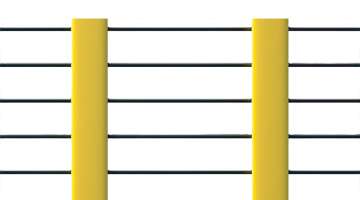
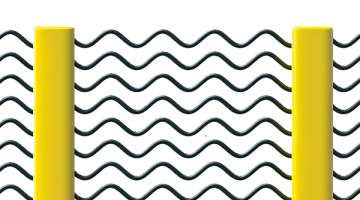
The specific crimp pattern stamped into the mesh isn’t just a random cosmetic design — it’s one of the most impactful hidden factors that determines long-term performance. On coarse heavy screening decks, a deep, heavy pre-crimp locks every thick high tensile wire firmly apart, so large heavy rocks can never shift wires out of their correct positions or mess up carefully calibrated aperture dimensions. For fine sizing decks, a tight, precision inter-crimp keeps every thin high tensile wire perfectly aligned, so tiny sharp fine particles can never push wires aside to create oversized gaps that ruin final product accuracy. Processing facilities that started paying attention to crimp pattern choice and matched their mesh design exactly to their material size range found every single panel stayed completely dimensionally stable for its entire working life — no shifting wires or stretched apertures, even after processing tens of thousands of tons of raw feed.
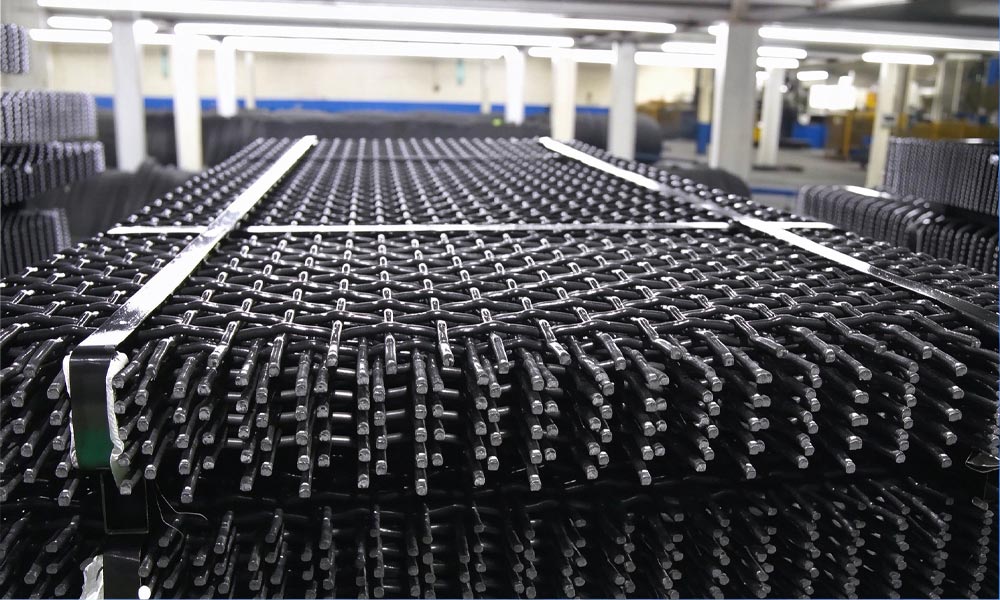
So what’s the clear, practical take-home here? If you pick a properly manufactured high tensile Vibrating Screen Wire Mesh built with the right custom alloy formulation, tight diameter tolerances, perfectly balanced ductility, and the application-matched crimp pattern, you’ll drastically slash your total annual screen maintenance costs, get rid of almost all unplanned downtime, and keep both your fine and coarse screening decks running far more reliably for a lot longer than any generic low-tensile mesh you can buy.