Impact and Adhesion Resistance Design of Woven Metal Screens for Heavy-Duty Coal Screening
Screening raw coal is a brutal business. High-volume feed, sharp-edged rocks, and constant moisture create a perfect storm for screen failure. The woven metal screens that survive here aren't just tough—they're engineered for two specific battles: resisting the physical impact of large lumps and preventing the adhesive clogging of wet fines. The design that balances these often-opposing demands is what separates a screen that lasts a season from one that fails in a month.
Impact Resistance: It's About Wire and Weave
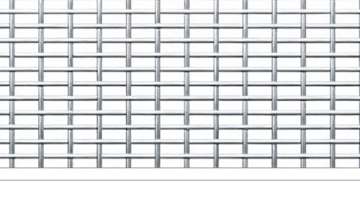
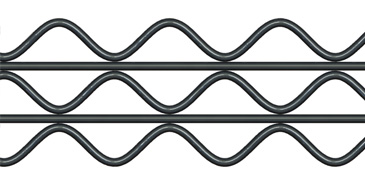
The impact resistance of a woven metal screen for heavy-duty coal screening starts with the wire itself. High-carbon steel or through-hardened alloy wires provide the necessary toughness to absorb the shock of falling rock without deforming permanently. But the weave pattern is equally critical. A double crimp weave, where wires are crimped both before and after weaving, locks each intersection in place. This prevents wires from shifting under impact, which is the primary cause of premature failure and distorted apertures in a standard weave.
Built for the Lump Drop
Impact resistance starts long before the wire is woven, because the first shock in heavy-duty coal screening is not abrasion, it is the dead drop of run-of-mine coal, tramp rock, and crusher-recycle lumps landing on the feed lip and the first third of the deck. A good Woven Metal Screen answers that with high-carbon spring steel such as 65Mn for fatigue endurance, manganese steel that work-hardens under repeated blows, or heavy-gauge crimped wire where the diameter is matched to the top size rather than copied from last year’s requisition. Lock-crimp and double-crimp weaves earn their keep here: the wires are pre-bent and mechanically locked at every intersection, so a falling lump spreads its energy across a row of intersections instead of punching one wire out of plane and starting a tear that runs toward the hook strip. Support-bar pitch and clamp-rail condition matter just as much as alloy, because even a manganese panel will dent and drum if the bars are too far apart or the hook edge is loose, and the impact that should have been absorbed gets converted into wire fatigue and edge fray. Plants that spec a Woven Metal Screen only by aperture and price usually learn the lesson at the feed end, where the mesh looks like it lost a fight with a shovel even though the coal was “only” raw feed.
Letting Wet Coal Slide Instead of Sticking
Adhesion resistance is where coal screening gets humbling, because coal fines plus surface moisture plus soluble salts make a sticky little mortar that loves to nest in the four corners of a square opening and turn a sizing deck into a pasty lid. A plain Woven Metal Screen with tight square holes and a rough oxidized surface is basically an invitation to blinding: capillary moisture bridges the wire, fine coal fills the meniscus, the next granule lands on a surface that is already semi-glued, and soon the amperage climbs while the cut point drifts toward “everything stays on top.” The anti-stick answer is rarely one magic coating; it is a bundle of small decisions—pre-crimped interlocking weaves that remove sliding gaps, slotted or diamond apertures that give sticky particles a slanted wall instead of a 90-degree pocket, slightly larger apertures paired with enough open area so near-size coal slides through instead of wedging, smoother wire finish or passivation where corrosion pitting would otherwise give fines something to grab, and vibration tuning that lets the wires develop a small secondary bounce instead of sitting dead under a heavy bed.
Edge, Coating, and System Details That Decide Service Life
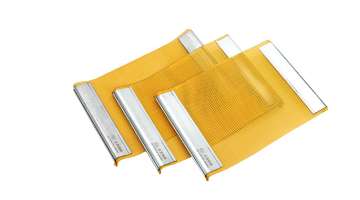
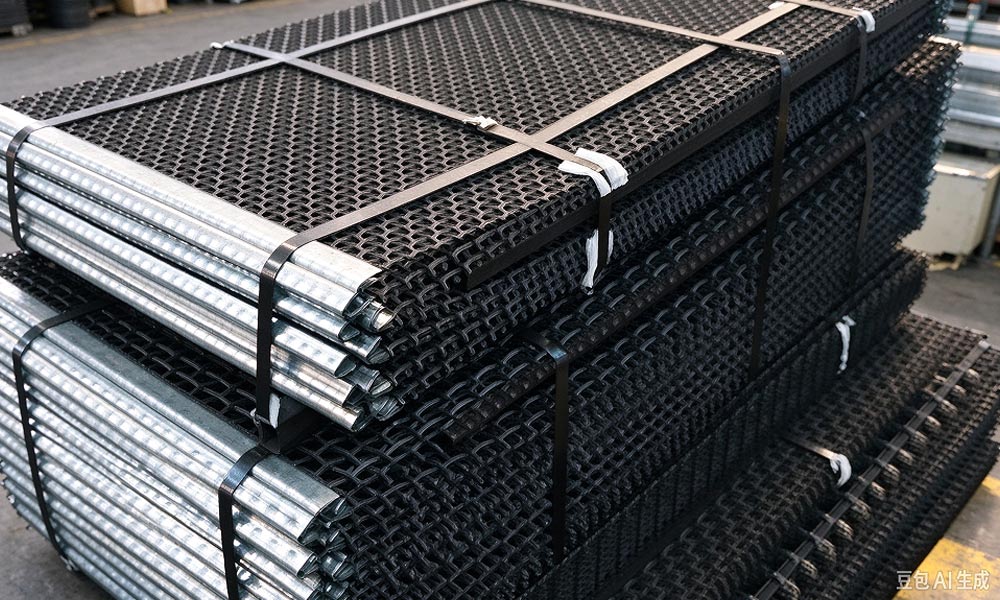
The middle of the panel gets the glory, but heavy-duty coal screens usually die at the edges, the clamp rail, the spray zone, and the corrosion-prone discharge lip, so adhesion-and-impact design has to leave the frame too. A Woven Metal Screen with world-class wire and terrible hooks will still tear out where the tension concentrates, which is why reinforced selvages, double-wire edges, PU-capped hooks, and correct hook orientation matter more than buyers expect. Corrosion is the quiet adhesion accelerator: ammonium, sulfate, chloride from some additive packages, and constant wash water pit the wire, the pitted wire grabs fines harder, the fines hold moisture against the steel, and suddenly the screen is rusting and blinding at the same time. Galvanizing helps outdoors but can be consumed fast in ammonium-rich fertilizer-adjacent or scrubber-side streams, while 304 stainless is fine for drier blending and 316L starts making sense where chlorides, phosphates, and humidity gang up on the deck.
Adhesion Resistance: Fighting the Wet Coal Cling
Adhesion resistance tackles the opposite problem: wet, sticky fines coating the wires and blinding the screen. Surface treatment is key. Applying a smooth, hydrophobic coating—often a specialized polymer or epoxy—reduces the surface energy that makes clay and coal dust stick. For severe conditions, a slotted or long slot wire weave mesh with a high open area percentage allows fines to pass through more easily before they can build up, compared to a tight square mesh.
The Design Compromise and How to Solve It
The core challenge in impact and adhesion resistance design is that features aiding one often hurt the other. A heavier, stiffer wire for impact resistance can reduce open area, worsening adhesion. A slick coating for adhesion might wear off under abrasive impact. The solution lies in layered or hybrid designs. Examples include woven metal screens with impact-resistant wires on the load-bearing cross rods but coated, smooth-surface wires in the direction of flow, or using a slightly larger aperture size than theoretically required to compensate for some inevitable blinding.
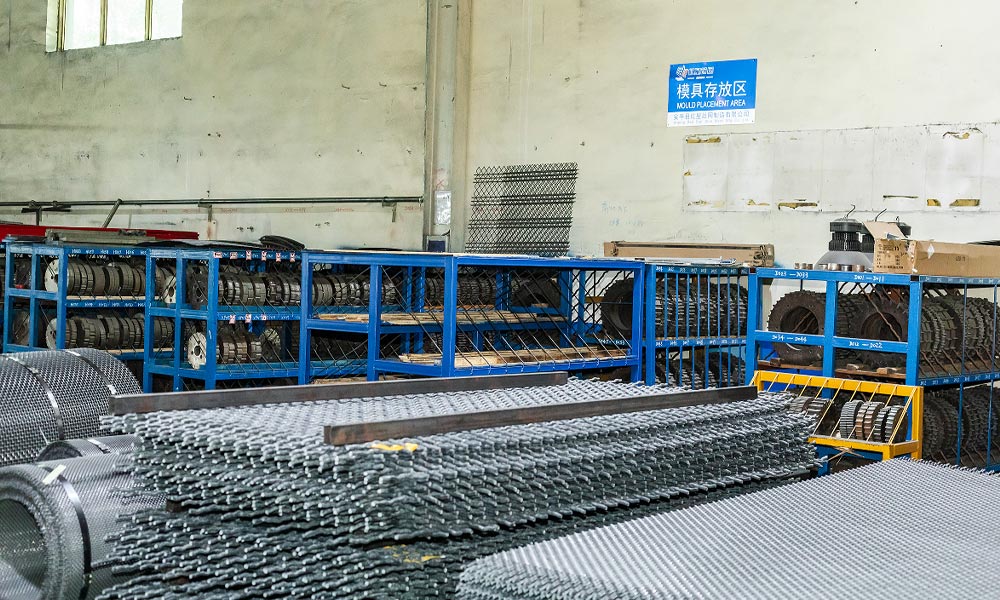
There's no universal "heavy-duty" screen. The right impact and adhesion resistance design depends on your coal's top size, moisture content, and clay percentage. Share your feed analysis and throughput goals—we'll help you select the suitable wire woven screen plate that will stand up to your specific brand of punishment.