Metal Woven Screen Wear Analysis for Sand Making Lines
In a sand making line, the screening deck is where product gradation is actually decided, yet it is also the component that operators tend to notice only after tons of off-spec sand have already passed through. Rapid wear of a Metal Woven Screen in this process is rarely caused by a single dramatic failure; it is usually the slow accumulation of abrasive slurry mist, high-frequency vibration, uneven feed distribution, and wire surfaces that were never matched to the material being processed. Understanding why the mesh thins out, peens over, or breaks at the crossings is the first step toward lowering screen consumption cost per ton, and the good news is that most of these failures are predictable and fixable once you stop treating the screen as a commodity item.
Where the Abrasion Actually Comes From in a Sand Plant
Most people assume a Metal Woven Screen wears simply because sand is “hard,” but in a real sand making circuit the damage is far more mechanical than that. Crushed manufactured sand carries angular particles, fine dust, and often a film of water and cementitious fines that behave like liquid sandpaper moving across the wire surface at high velocity. When the feed lands heavily on one side of the deck, that localized zone sees accelerated cutting wear while the rest of the panel stays comparatively fresh, which creates weak points that soon turn into holes and edge tears. Add in oversized vibrator amplitude or wrongly angled decks, and the wires start rubbing against each other at the crimp points, so the mesh does not just lose metal from the top—it loses structural integrity at the places that matter most.
Why Screen Specification Often Mismatches the Process
A very common reason a Metal Woven Screen fails early is that it was selected from a standard list instead of from the actual process conditions on site. Sand making lines change over time: crusher settings shift, rotor speed changes, washing systems clog, and the moisture content of the feed swings with the season, yet the screen specification stays frozen at whatever was ordered during commissioning. A mesh that performs well on dry 0–5 mm concrete sand may disintegrate quickly on sticky plaster sand or high-clay material, because the aperture closes, material rides on top, and the bed depth increases until the wires are pounded rather than sieved. In these cases the screen is blamed, but the root issue is a mismatch between opening size, wire diameter, alloy choice, and the real particle size distribution entering the deck.
Installation and Tensioning Mistakes That Shorten Mesh Life
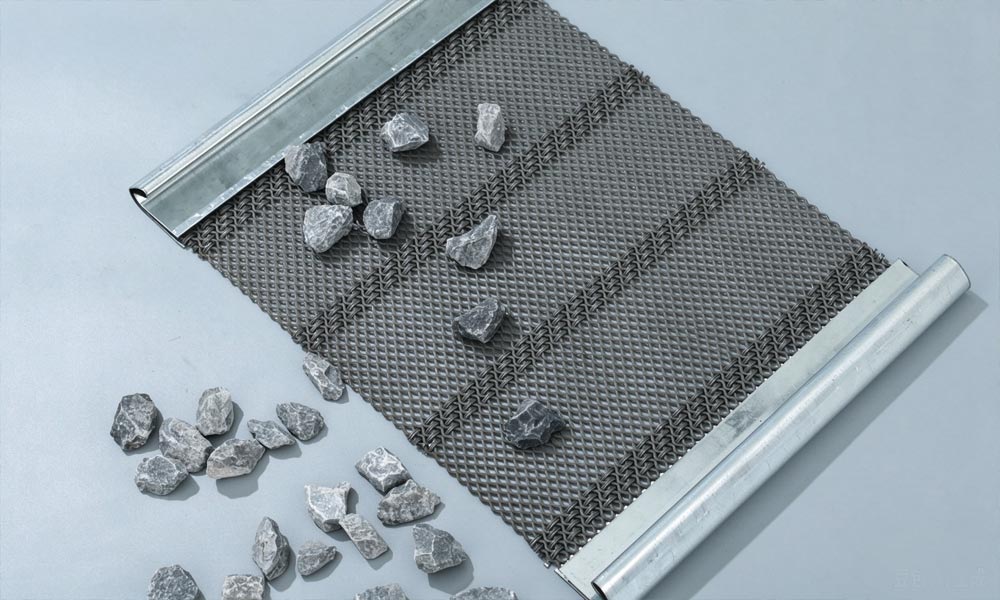
Even a perfectly specified Metal Woven Screen can be ruined in the first shift by poor installation, and this is one of the most overlooked areas in sand plants. If the panel is not tensioned evenly, the loose zone flaps under vibration, the crimps micro-move, and fretting wear begins exactly where the wire touches the support bar or the adjacent wire. Hook strips that are bent incorrectly, insufficient clamping length, or panels that are forced into a deck half a centimeter too short create permanent stress concentrations that no heat treatment can save later. Operators also tend to overtighten in panic after the first tear, which stretches the mesh and reduces its ability to absorb impact, so the next batch of coarse return material hits a fatigued screen and the failure cycle repeats itself even faster.
Process Adjustments That Quietly Extend Screen Runtime
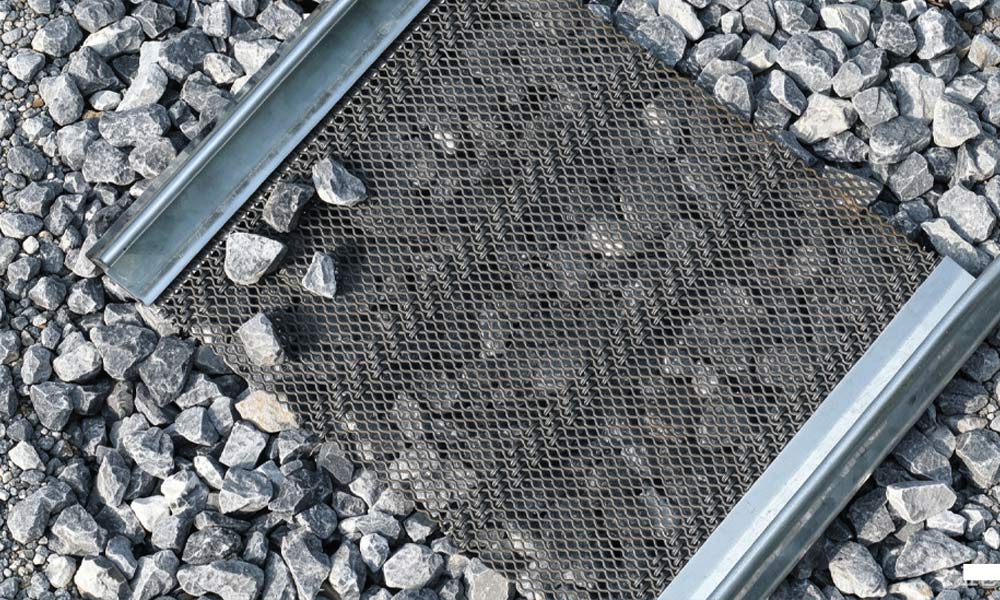
The cheapest upgrades for a Metal Woven Screen are often not new materials but smarter process control around the deck. Spreading the feed with a distributor or baffle plate stops the “hot spot” effect, lowering peak wire loading and keeping aperture accuracy longer; trimming vibrator frequency or stroke to suit the mesh size prevents the screen from trying to do impact crushing instead of sizing; and keeping the wash water balanced stops the surface from baking into a crust that forces material to scour the wires instead of flowing through. In many sand plants we have seen screen life improve by double digits just by moving the feed box, correcting deck angle by one degree, and replacing worn support bars that had become hidden rasps underneath the mesh.
Daily Maintenance Routine for Metal Woven Screen
Regular cleaning and maintenance is necessary for your wire woven screen. After daily shutdown, use a high-pressure water gun or air gun to clean any blockages in the screen holes. On the meanwhile,Regularly rotating the screen direction helps distribute wear evenly and also extends its overall lifespan.
Rapid wear is not destiny for your Metal Woven Screen; it is feedback from the process saying the material, the motion, and the mesh are not in agreement. If your plant is burning through screens monthly and blaming “cheap mesh,” it is usually time to look at feed distribution, tensioning discipline, deck angle, support structure condition, and whether the alloy and wire profile were ever right for manufactured sand in the first place. Our team helps sand making operations audit the full screening circuit, match the correct woven specification to the real feed, and set up an installation and maintenance routine that turns screening from a constant fire drill into a controlled cost. Send us your feed gradation, deck drawings, and current failure photos, and we will build a Metal Woven Screen solution measured in tons screened per panel, not just price per square meter.