Optimal Balance Between Wire Diameter and Open Area Ratio for Woven Screens Used in High-Frequency Vibrating Equipment
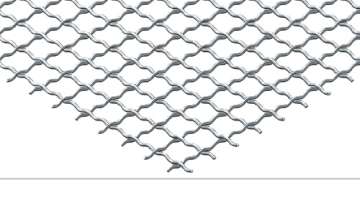
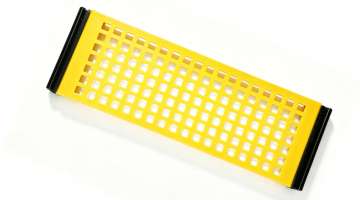
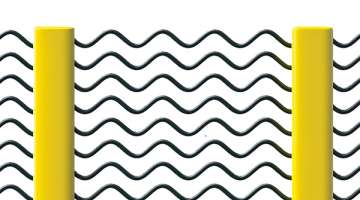
Selecting metal woven screens for high-frequency vibrating equipment requires finding the optimal balance between wire diameter and open area ratio. This balance is a core engineering trade-off that directly impacts screening efficiency, screen life, and overall operational cost. A thicker wire diameter provides greater strength and durability, essential for handling abrasive materials and withstanding high dynamic loads. However, it reduces the open area ratio, which can limit throughput. Conversely, a high open area ratio maximizes capacity but often requires finer wires that may wear out or fail quickly under stress. Striking the right balance is key to achieving reliable and productive screening.
The Fundamental Trade-off
There is an inherent trade-off between wire diameter and open area in woven metal screens. Wire diameter determines the screen's operational strength, wear resistance, and ability to withstand intense vibration, while the open area dictates the flow rate of material through the screen and the overall screening efficiency. In high-frequency applications, the equipment operates with rapid, vigorous motion; consequently, the screen requires high wear resistance while simultaneously ensuring efficient and precise material screening. Screens lacking sufficient strength are prone to fatigue failure, whereas those with an excessively low open area can create bottlenecks in the process flow. Striking the right balance between these two factors is crucial.
Why High Frequency Makes Wire Diameter Matter More Than People Expect
On a slow shaker, a heavy wire can get away with being heavy, because the material has time to tumble and find the hole; on a high-frequency deck doing 3,000 or 6,000 vibrations per minute, the Woven Screen is basically a tuned musical instrument, and wire diameter decides the note. Thicker wire adds beam strength and resists denting from oversize or coarse feed, but it also adds mass, damps the micro-vibration that helps fines pop through, and steals open area that the process desperately needs. Thinner wire does the opposite: it lets the cloth flex, transmits energy beautifully, maximizes the open area ratio, and improves fines passage, but it surrenders margin against abrasion, impact, and fatigue cracking at the crimp. In high-frequency equipment the panel is not just a hole maker—it is part of the excitation system, so changing wire gauge silently changes stroke response, bed depth, and even how aggressively near-size particles peg. The plants that struggle usually picked wire diameter from a mesh chart instead of from the machine’s natural frequency, feed gradation, and how long they can afford to shut down for a changeout.
Open Area Ratio Is Throughput Math, But Also Accuracy Math
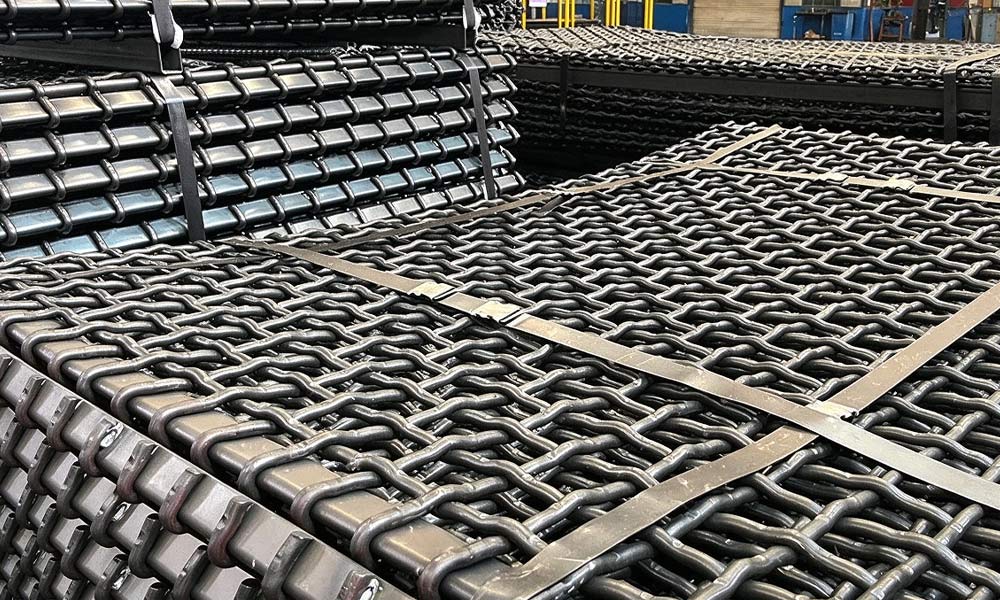
Open area ratio sounds like a pure capacity lever—more holes, more tons—yet on a Woven Screen it is also a precision lever, because the moment you open the cloth up, you change how forgiving the deck is with borderline particles. A high open area ratio lets the fine fraction escape quickly, keeps the bed thin, reduces moisture drag in wet screening, and often makes a high-frequency screen feel like it gained 20 percent capacity. The hidden cost is that larger openings relative to wire size leave less mechanical “frame” around each hole, so aperture stability depends entirely on crimp quality, tension, and support spacing; the hole can grow, distort, or smile under load. Conversely, a lower open area ratio built from heavier wire gives you a rock-solid sizing surface, better wear life, and cleaner cut points, but the bed thickens, near-size material rides too long, and the high-frequency advantage starts to fade into “expensive shaker doing mediocre work.” The balance worth chasing is the highest open area that still respects the weakest point in the system: usually the wire crown, the crimp lock, or the edge clamp. Engineers who treat open area as a standalone KPI miss the fact that a Woven Screen is a structural fabric, not a perforated plate with aspirations.
Feed, Frequency, Support Structure, and Changeout Reality
The right wire-diameter-to-open-area pairing is never universal, because a high-frequency dewatering screen for fine iron ore, a silica frac-sand classifier, and a recycled-glass separator all want different personalities from the cloth. A sticky or near-size-heavy feed rewards a slightly lighter wire with higher open area so particles do not bridge, while an abrasive coarse fraction punishes that same choice and begs for heavier wire plus maybe a reinforced leading edge. Support structure enters the room quietly and then runs the meeting: if support bars are too far apart, a thin-wire high-open-area Woven Screen drums and fatigues no matter how elegant the math looks; if bars are too dense, you kill open area with steel the screen never asked for. Tension is the unsung co-variable—proper pretension lets a finer wire survive high frequency because it removes slack and stops crossings from rubbing, while sloppy tension turns even premium mesh into a self-destructing trampoline.
Factors Determining the Balance
Three main factors guide where to set this balance. First, material characteristics are paramount. Abrasive, heavy, or coarse materials like many ores necessitate a stronger screen, often prioritizing a sufficient wire diameter over maximum open area ratio. For lighter, less abrasive materials, higher open area can be prioritized. Second, the target separation size matters. For fine screening, wires are naturally finer, so the focus shifts to using high-strength alloy wires to maintain integrity. Third, the specific operational parameters of your equipment, such as vibration intensity, must be matched. Higher forces require wire woven screens with greater inherent strength.
Practical Strategies for Optimization
Achieving the optimal balance is a practical exercise in matching screen specs to process needs. Start by defining the primary goal: maximum metal woven screen life, highest throughput, or best accuracy. Then, work within your material and machine constraints. Often, the solution involves smart compromises. Using high-tensile strength alloy wires like high-carbon steel can allow for a slightly smaller diameter without sacrificing durability, thereby preserving more open area. Selecting a stable weave pattern can also enhance performance, allowing for a robust design without excessively thick wires.
There is no one-size-fits-all answer. The optimal balance is a tailored decision. By carefully weighing your material's properties, your separation goals, and your equipment's demands, you can select a metal woven screen that delivers the right combination of strength and efficiency for your high-frequency vibrating equipment. This targeted approach ensures long service life, consistent performance, and the best return on your screening investment. Contact our technical team to customize wire diameter and open area parameters for your high-frequency screening circuit.