Selectinng Wear-Resistant Screening Media for Aggregate Processing
If you have spent any time on a busy aggregate processing site, you know how quickly a cheap, low-wear screen panel can fail mid-shift, forcing your crew to scramble through a last-minute replacement that derails your entire production schedule for the day. After years working with quarry operations across limestone, granite, and basalt sites, I have seen far too many teams waste tens of thousands of dollars chasing low unit prices, only to deal with constant premature tears, blinding, and inconsistent gradation that ruins their finished product quality. This practical, field-tested guide breaks down the exact step-by-step framework to select a reliable partner that builds purpose-built wear-resistant screens for aggregate processing, drawing on real on-site lessons that generic supplier marketing materials never share, to help you cut downtime and boost your circuit’s long-term profitability.
Prioritize Proven Aggregate-Specific Field Experience First
The very first non-negotiable step in your selection process is confirming that the supplier has direct, verifiable real-world experience building media for the exact type of aggregate processing you run, not just generic screens for light, low-abrasion industries, and this is the baseline qualification every trusted Screening Media Manufacturer must meet. A supplier that only makes fine grading screens for food processing or pharmaceutical applications will never understand the unique punishment that sharp, jagged crushed rock inflicts on a screen surface, and they will deliver a product that gouges, tears, or wears through in a tiny fraction of the advertised service life. You should ask them to share specific case studies from local aggregate operations processing the exact same rock type you work with, and request contact references so you can talk directly to their maintenance foreman to hear exactly how the panels performed after thousands of tons of continuous crushing circuit operation. This step eliminates 90 percent of the risk of partnering with a team that has no real understanding of your site’s daily wear challenges, and ensures you are not wasting money on a product that was never engineered to survive heavy aggregate processing duties.
Audit Their Wear-Resistant Material Formulation And Production Control
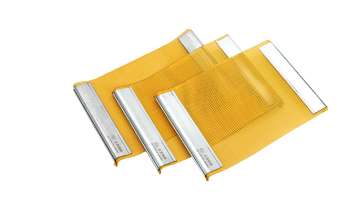
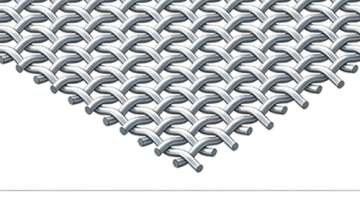
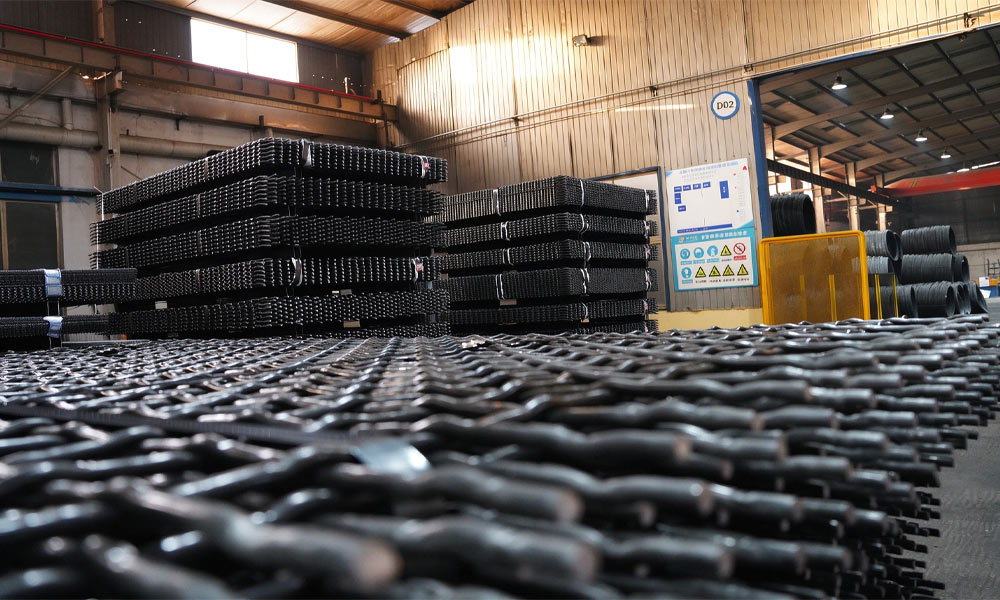
The second critical validation step is confirming that the supplier fully controls their raw material formulation and core production processes in-house, instead of buying generic pre-made media blanks from third-party factories and just rebranding them, and this is a core marker of a dependable Screening Media Manufacturer. Top-tier aggregate-focused operations formulate their own proprietary polyurethane and rubber compounds on-site, tuning the exact hardness, flex strength, and abrasion resistance specifically for sharp crushed rock, so their panels resist gouging and wear 3 to 5 times longer than generic low-quality polymer panels made with cheap recycled raw materials. For heavy-duty woven wire media, they use high-tensile manganese steel that work-hardens under repeated rock impact, and run all crimping and weaving processes on their own factory floor, so every wire’s tension stays perfectly consistent across the full panel, eliminating weak points that tear open under heavy high-impact loading. You should ask them to walk you through their full incoming raw material testing workflow, and confirm they can provide batch-specific hardness and abrasion resistance test reports for every order, so you never end up with panels made from low-grade substitute materials that fail prematurely.
Verify Their Design Capability Matches Your Full Crushing Circuit’s Needs
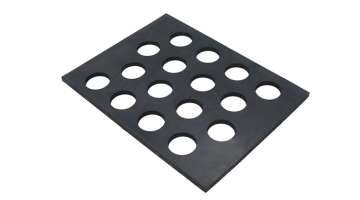
Aggregate processing circuits have very different wear and separation requirements on every single deck, from heavy scalping after the primary jaw crusher to fine final product sizing, and a great supplier will not force you to use a one-size-fits-all media design across your entire line, and this is another key strength a standout Screening Media Manufacturer delivers over generic resellers. They will work with you to map every single deck in your circuit, recommending extra thick high-impact media for the scalping deck that takes direct hits from 300mm run-of-mine rock, anti-pegging self-cleaning designs for the middle sizing decks that deal with irregularly shaped near-size aggregate, and high-precision consistent aperture panels for the final product decks that need to meet strict road construction gradation specifications. They can also accommodate custom tweaks that no generic supplier will offer, like reinforced edge bindings for high-wear zones, custom slotted apertures for wet sticky crushed rock, or exact non-standard dimensions to fit older legacy screen decks that no off-the-shelf panel is made for. This level of circuit-specific design tuning ensures every panel works perfectly for its exact position in your line, maximizing total service life and consistent separation performance across your entire operation.
 Evaluate Their On-Site Support And Long-Term Supply Reliability
The final step in the selection process is confirming that the supplier will not disappear the moment your order ships, and that they can deliver consistent, dependable supply that keeps up with your site’s seasonal production peaks, and this is what turns a simple vendor relationship into a long-term high-value partnership with a trusted Screening Media Manufacturer. Their technical team visits the site once the new panels are running. They inspect how the panels are wearing, collect performance data from your actual circuit, and use it to make small design changes for your next order. That matters because ore bodies change, and adjustments made against real wear patterns are what keep extending panel life as the rock you feed them shifts. They also keep large safety stocks of the common aggregate media sizes and configurations, which is how they can get emergency replacement panels to your site within 24 hours after an unexpected tear mid-shift. If you would rather plan ahead, they will set a bulk delivery schedule around your seasonal construction demand so you are not short of media in your busiest months.
Many of these partners also run free on-site training for your maintenance crew. The instruction covers proper tensioning and installation, techniques that can add 30 percent or more to average panel life and take a visible bite out of annual media costs.
Choosing a screening media manufacturer on unit price alone leaves out most of what decides your real media cost. You want a team that knows what sharp crushed rock does to a deck, controls their own production so wear resistance holds from one order to the next, tunes the design for each deck in your circuit, and stays on site after the sale. With that in place, premature screen failure, unplanned downtime, and finished product that drifts out of gradation stop being a recurring cost. For operations that are tired of wasting hours every week patching torn panels and reworking out-of-spec material, investing in this kind of dedicated supplier relationship is one of the highest-return, lowest-risk improvements you can make to your entire crushing and grading line’s long-term profitability.