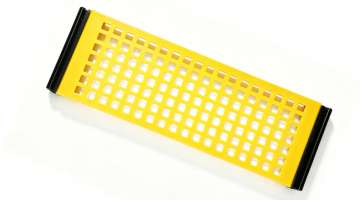
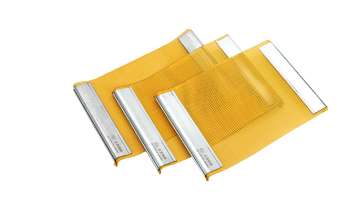
Polyurethane Side Tension Screens For Aggregate Classification and Dewatering
Walk into any quarry that has been running the same screens for years and you can usually tell within a few minutes whether the maintenance team has figured out its media strategy. The plants that run smoothly tend to have one thing in common: they stopped treating screen panels as a commodity and started matching the media to the actual duty. Quarry work is a particularly demanding environment because you are dealing with hard, angular crushed rock, high tonnages, and increasingly strict product specifications, all while trying to keep moisture under control on the washed fractions. This guide looks at why polyurethane side tension screen has become such a common choice for aggregate classification and dewatering duty, and what you need to get right for it to deliver the service life the numbers promise.
Why Side Tensioning Suits Quarry Screen Boxes
Side tensioning is the traditional mounting method on most inclined quarry screens, and it remains the most practical option for large decks that need to be changed quickly. The panel is hooked along both long edges and pulled sideways against the frame, which keeps the entire screening surface under uniform tension and allows a single operator to release, remove, and refit a panel without crawling underneath the deck. For a Polyurethane Side Tension Screens installation, that hooked edge is moulded into the panel with reinforcing cord running through it, so the attachment point survives repeated tensioning cycles rather than tearing out after a few changes. The method also tolerates the slight frame movement you get on a heavily loaded inclined screen, because the tensioning mechanism absorbs small deflections instead of transferring them into the panel as point loads. On wide decks where modular panels would need dozens of fixings, side tensioning keeps the change-out time down to something a maintenance crew can fit into a normal shutdown window.
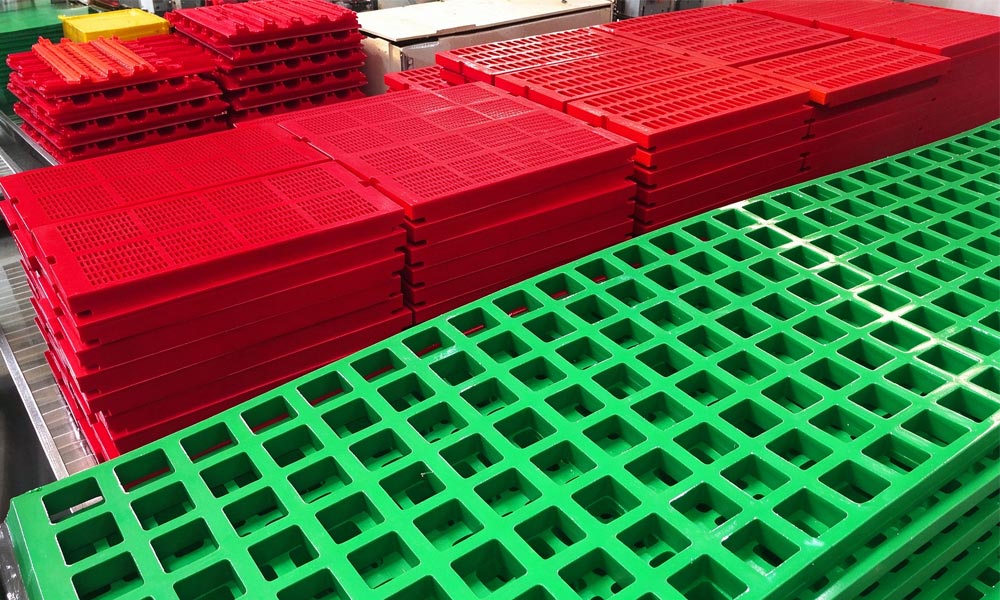
Classification Duty: Holding Product Specs On Hard Crushed Rock
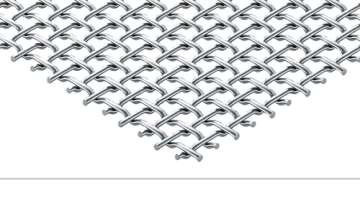
Aggregate classification is unforgiving because your product specification is a contract, and a cut point that drifts by even a millimetre can push a load out of spec. Wire mesh wears at the aperture edges and slowly opens up, which means a deck that started at 20mm can be passing 22mm material after a few months of hard rock duty. A Polyurethane Side Tension Screens panel holds its aperture dimensions far more consistently because the openings are moulded into an elastic material that wears evenly rather than eroding at the high points. That stability is worth real money in a quarry producing tight-spec chips or ballast, since it reduces the frequency of re-screening and the risk of rejected loads. The low-stick surface also helps on damp or dusty feed, where wire tends to blind and lose effective open area, and the natural flex of the panel during each vibration cycle keeps apertures clear without any manual intervention.
Dewatering Duty: Managing Moisture And Fine Slurry Loads
Dewatering decks are a different animal from classification decks, and the media requirements reflect that. Here you are not just sizing material, you are trying to pull water out of a slurry while it travels across the deck, which means you need maximum open area, a surface that sheds water rather than holding it, and apertures that resist the fine solids carried in the wash water. A Polyurethane Side Tension Screens panel performs well in this role because the moulded apertures can be configured with a tapered profile that encourages drainage while still retaining the coarse fraction, and the material does not corrode or scale the way steel does in constant contact with process water. The elastic surface also reduces the adhesion of fine slimes that would otherwise build up and reduce drainage capacity over a shift. On sand and gravel operations running wash plants, this combination of drainage performance and blinding resistance is usually the deciding factor when comparing media options.
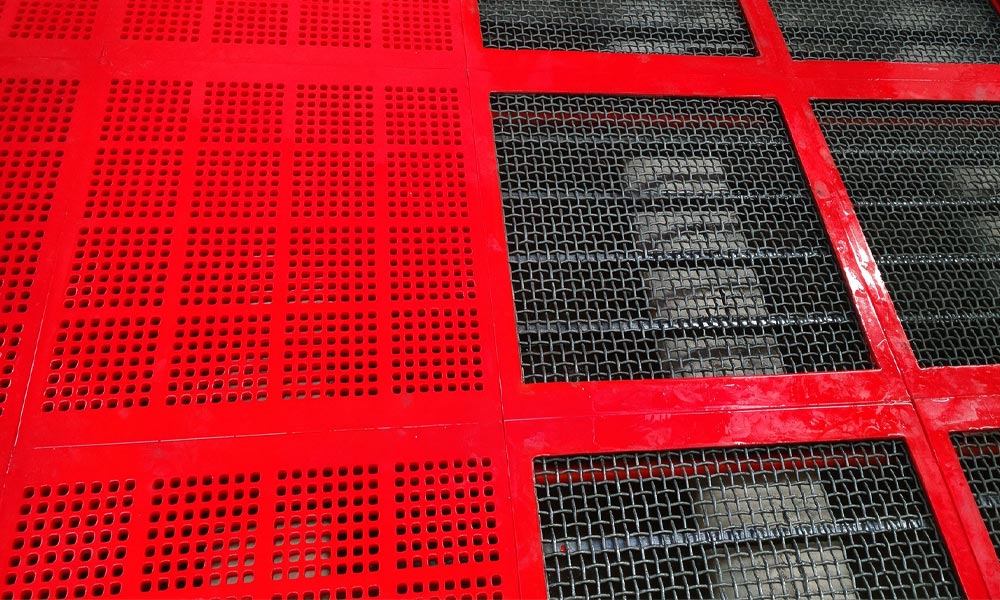
Specification, Installation And Maintenance Points That Matter
Most of the disappointment people experience with polyurethane media traces back to specification and installation rather than the material itself. A Polyurethane Side Tension Screens panel needs to be matched to the deck dimensions, the tensioning system, and the duty, and it needs a support frame that is straight, clean, and set at the correct height before anything is fitted. Check that the hooks engage fully along their whole length, because a partially seated hook concentrates stress and becomes the first point of failure. Tension should be even on both sides, and it is worth verifying with a straight edge across the panel after tensioning rather than trusting the mechanism alone. On the maintenance side, inspect hooks and tension weekly, watch for aperture drift on classification decks, and rotate panels where the feed is uneven so that wear is distributed across the deck instead of concentrated in one area. Keeping a spare set on site and changing panels on a planned schedule almost always costs less than reacting to a failure mid-shift.
Quarry screening is one of those areas where small decisions compound over time, and the choice of screen media sits right at the centre of that. Side tensioned polyurethane gives you stable cut points on classification duty, reliable drainage on dewatering decks, and a change-out process that fits comfortably into normal maintenance windows. It is not the cheapest option on the quote sheet, but the combination of longer service life, consistent product quality, and reduced manual cleaning usually makes it the cheaper option on the balance sheet. Match the specification to the duty, install it properly on a sound frame, and keep an eye on aperture condition, and the deck will quietly do its job shift after shift without demanding much attention.