Flip Flow Screens: Key Factors To Select Reliable Screening Equipment
If you have ever been stuck with a poorly specified mining screening system that clogs nonstop, burns out bearings every month, or fails to hit your target classification efficiency, you know how expensive a bad equipment selection decision can be, costing you tens of thousands of yuan in lost production and unplanned downtime. After years working with mineral processing teams across North China to replace underperforming screening lines, I have seen far too many operations rush their equipment selection, picking a unit based only on advertised tonnage numbers without accounting for their unique real-world feed conditions. This practical, field-tested guide breaks down the non-negotiable key factors you need to evaluate to pick truly reliable mining screening equipment such as flip flow screen , drawing on real on-site lessons generic supplier brochures never share.
Match Equipment Design To Your Exact Wet Sticky Feed Properties
The first non-negotiable selection factor is making sure the equipment’s core working principle is purpose-built for your specific feed’s moisture, clay content, and near-size particle ratio, instead of picking a generic standard vibrating screen that cannot handle your difficult material, and for most high-clay wet fine mineral applications, a well-engineered Flip Flow Screen will outperform any conventional rigid screening system by a huge margin. Unlike standard screens that cannot stop blinding when feed moisture climbs above 8 percent, a properly sized flip flow unit uses independently bouncing flexible panels that shake loose stuck near-size particles passively, eliminating constant manual deck scraping that kills your throughput. You should always send a 20-kilogram representative sample of your actual on-site feed to the supplier for full lab testing before finalizing any order, to confirm the selected equipment can handle your material’s unique stickiness, instead of relying only on generic performance data from unrelated reference sites. This small pre-order test eliminates 70 percent of all post-installation performance issues.
Verify Structural Reinforcement For All Day Heavy Mining Duty
The second critical selection factor is inspecting the equipment’s frame, side walls, and drive components to confirm they are reinforced for continuous 24/7 heavy mining operation, not built for light-duty aggregate processing, a difference that most suppliers will never volunteer unless you ask directly, and a robust heavy-duty Flip Flow Screen built for mining will have far thicker side plates, oversize bearings, and a heavy-duty vibratory motor that never burns out under full continuous load. You should ask the supplier for full component specifications: side plate thickness should be no less than 12mm for mining-grade units, and all bearings should be heavy-duty sealed mining-rated models that can run 1000+ hours without re-lubrication, not generic light industrial parts. You should also ask to see photos of the exact unit’s internal support beam structure, to confirm there are no thin weak points that will develop structural cracks after a few months of continuous high-load operation. This level of detailed structural verification eliminates almost all premature mechanical failures that force unplanned multi-day shutdowns.
Confirm Modular Media Compatibility With Your Local Supply Chain
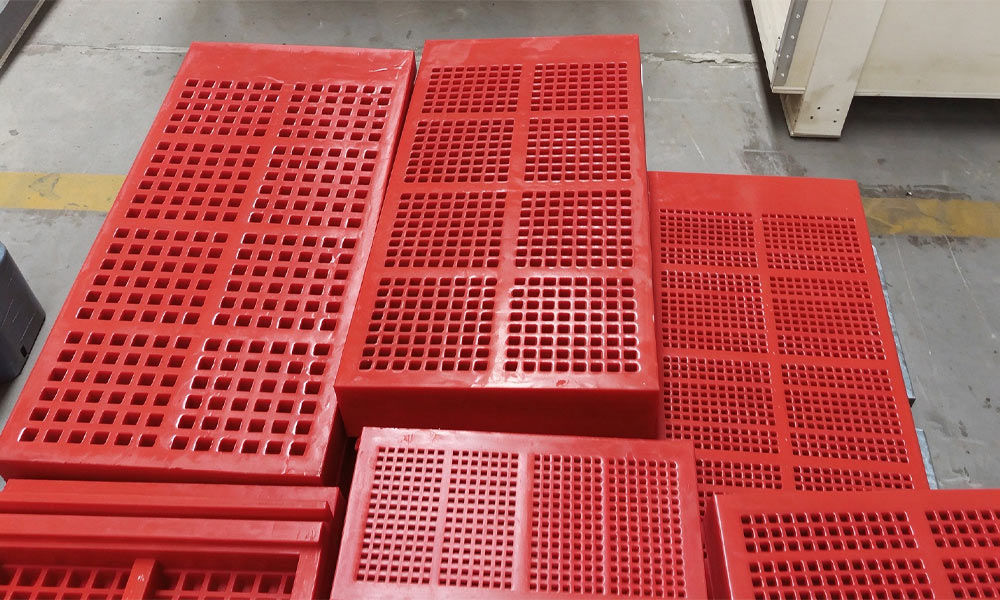
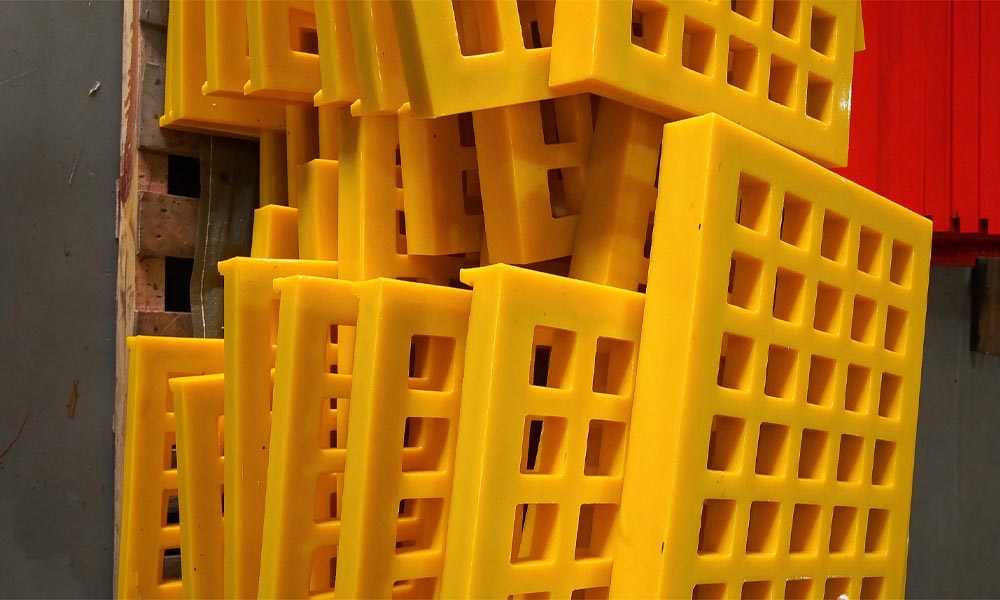
The third often-overlooked selection factor is making sure the screening media the equipment uses is a standard widely available modular design that local regional suppliers keep in stock, not a custom proprietary panel that you have to wait weeks to get shipped from a distant factory, and a well-designed mining-grade Flip Flow Screen uses universal standard-sized modular panels that almost every local mining screen supplier in your region carries in their warehouse. If you pick a unit that uses custom non-standard proprietary panels, a single unexpected torn panel can shut down your entire processing circuit for 7 to 10 days while you wait for a custom replacement to be manufactured and shipped. You should always check with 2 to 3 different local screen media suppliers before placing your equipment order, to confirm they stock the exact panel size, aperture range, and mounting style the selected unit uses. This simple step guarantees you can get emergency replacement panels delivered to your mine site within 24 hours if you ever have an unexpected media failure.
Evaluate Supplier’s On-Site Mining Installation And After-Sales Track Record
The final, highest-impact selection factor is verifying that the supplier has a proven track record of successful installations at local mining operations with similar feed conditions to yours, not just a portfolio of unrelated light-duty industrial projects, and a supplier that has already deployed a working Flip Flow Screen at a nearby mine with the same sticky fine ore you process will deliver far better on-site support and post-installation tuning than a generalist equipment vendor. You should ask the supplier for 3 local mining reference sites, then make a quick phone call to the maintenance foreman at each site to ask how the equipment has performed, how often it breaks down, and how fast the supplier responds when they need emergency on-site support. This direct real-world feedback from other local mine operators will tell you far more about the equipment’s actual reliability than any polished supplier sales presentation.
At the end of the day, selecting truly reliable mining screening equipment is never just about picking the unit with the highest advertised throughput or the lowest price; it is about evaluating four practical, field-proven factors that generic supplier marketing never highlights. Matching the equipment design to your exact feed properties, verifying heavy-duty structural reinforcement, confirming local media supply chain compatibility, and checking the supplier’s local mining after-sales track record combine to eliminate almost all the costly post-installation headaches that come with a bad screening equipment purchase. For mining operations tired of dealing with constant blinding, frequent mechanical failures, and multi-day downtime waiting for spare parts, this structured selection process will help you pick a screening system that delivers consistent, reliable performance for years of continuous heavy mining duty.