How to Select the Right Shaker Screen Mesh for Fine Sifting Circuits
Anyone who’s run a fine sifting circuit—whether at a mineral plant, an aggregate site, or a recycling yard—knows the secret to steady performance isn’t the motors or the frame. It all comes down to the shaker screen mesh, that thin, tensioned sheet stretched across each deck. I’ve spent years troubleshooting under performing sifting operations and I keep seeing the same costly mistake: teams always chase the cheapest mesh upfront. Then they wrestle with screens wearing out early, plugging up, or letting valuables slip into the waste—or end up contaminating the final product. So, here’s a straightforward, hard-earned guide on how to pick the right mesh for your actual fine material. This isn’t the stuff you find in product catalogs. It’s what works when you’re down at the plant, facing real-world problems.
How Wear Resistance Directly Shifts Your Fine Sifting Circuit Uptime
Most plant teams only notice the impact of wear resistance when a panel tears open mid-shift and forces an unplanned stop, but the real influence of a well-chosen Shaker Screen Mesh on your circuit runs far deeper than those obvious failure points. A mesh with poor abrasion resistance will wear unevenly across the high-feed zone near the chute, creating stretched, distorted openings that destroy your cut point accuracy long before the panel fully tears, leaving you with inconsistent product gradation that can lead to rejected shipments. Even if the panel does not fully break, excessive wear can force your crew to swap out panels twice as often as planned, eating into maintenance hours and reducing the total uptime of your entire fine sifting circuit. The right wear-resistant formulation will not just extend panel life; it will keep your aperture geometry consistent for thousands of extra tons of processed material, so you can hold tight product specifications for longer stretches between change-outs.
Common Wear-Resistant Material Choices For Fine Sifting Duties
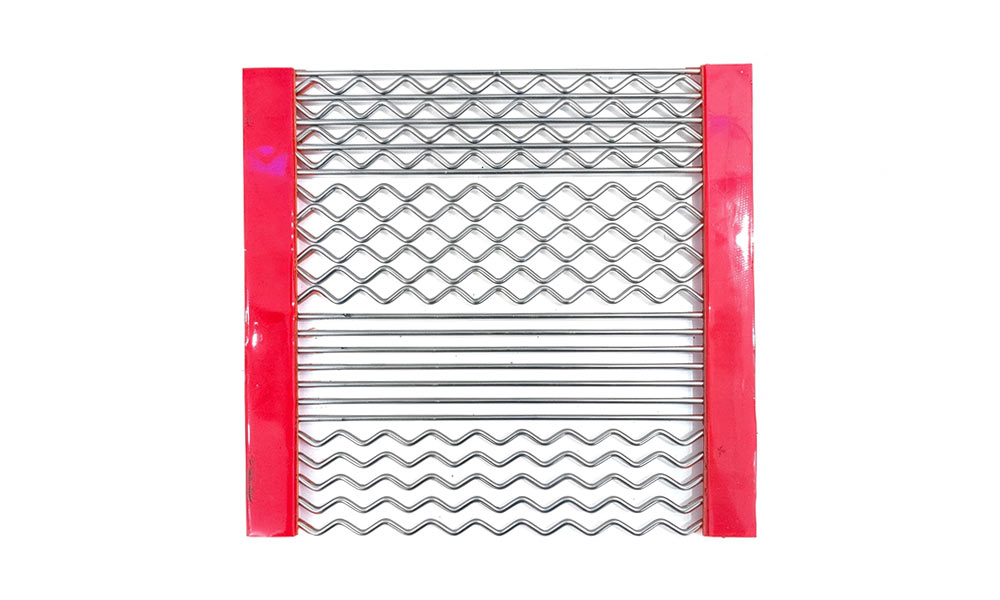
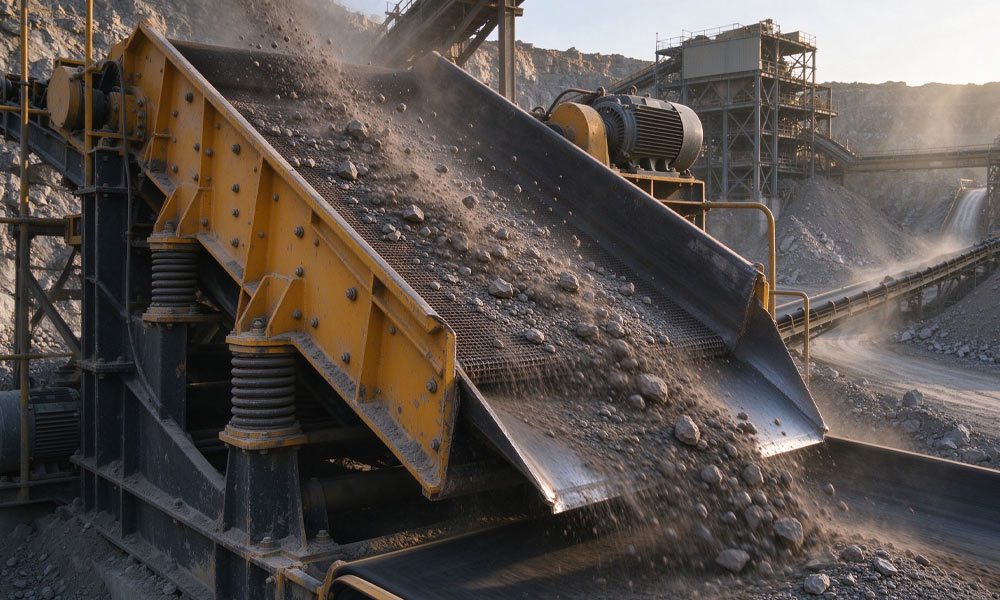
Your mesh material does a lot more than just determine how long the panel lasts. It changes how the whole shaker screen machine holds up to the punishment of sifting fine, abrasive particles, especially at high speeds. High-tensile manganese steel has been the workhorse for dry fine sizing for years. It gets tougher the more you use it—every impact makes its surface harder. It easily outwears cheap carbon steel and keeps its precise, even openings for clean separation. On the flip side, polyurethane is now the top choice for wet duty and dewatering. It flexes instead of cracking under constant impact, shrugs off abrasive slurry wear three to five times longer than metal, and doesn’t blind when sticky fines try to block the holes. A lot of smart sites run a mix of both: they use rugged steel mesh where the feed crashes in, then switch to long-wearing polyurethane for the discharge, balancing cost and service life across the whole deck.
Aperture Design Options That Solve Specific Fine Sifting Pain Points
Finding the right aperture shape and size is just as important as getting the mesh material right. It doesn’t matter how tough your screen is—if the openings aren’t matched to your process, you’ll be shut down with blinding in no time. Square openings are the go-to for dry, free-flowing material. They offer the most open area for throughput and keep the cut point sharp and accurate, so undersize pieces move through fast. When you deal with wet or sticky material, slotted or elongated apertures take over. Their stretched shape prevents near-size fines from jamming and keeps the water—and your good product—moving through. For those ultra-fine jobs, where even a handful of oversize grains can ruin the batch, precision laser-cut perforated plates are the answer. Every hole is consistent, nothing shifts, and you can trust your cut point stays locked in, run after run.
Matching Wear Resistance And Aperture Design To Your Operating Conditions
No single combination of material and aperture design works for every fine sifting duty, and the best choice always depends on the unique properties of your feed material, your process goals, and your site’s maintenance workflow. If you are sifting dry, sharp fine aggregate for concrete production, a high-tensile manganese steel woven Shaker Screen Mesh with square apertures will deliver the precise cut point accuracy you need to meet strict construction gradation specs, while still offering excellent wear life for dry abrasive conditions. If you are running wet fine iron ore slurry through a dewatering circuit, a high-wear polyurethane mesh with tapered slotted apertures will resist blinding, extend service life far past what metal can deliver, and help you hit the low final moisture content your saleable product requires. The most common mistake teams make here is prioritizing one single factor, like maximum open area or lowest unit price, instead of balancing wear resistance and aperture design to solve the specific pain points their operation faces every single shift.
At the end of the day, shaker screen mesh is far more than a simple consumable part for fine material sifting; it is a precision-engineered component that directly controls your circuit’s uptime, product quality, and total operating cost per ton. When you take the time to balance wear-resistant material selection and aperture design around your site’s unique feed conditions, instead of picking a generic off-the-shelf option, you get far more than longer panel life. You get consistent cut point accuracy, less unplanned downtime, less blinding, and higher recovery of valuable fine material that would otherwise be lost to tailings or contaminate your finished product, all of which add up to measurable improvements to your operation’s bottom line over the full service life of the mesh.