Field Guide to Shaker Screen Machine Selection for Mining and Aggregate
Anyone who has spent time on a mine site or in an aggregate quarry knows that the difference between a smoothly running separation circuit and one that bleeds time and money every shift often comes down to one decision: how you specify your shaker screen machine. Too many teams pick a unit based on a catalog’s maximum tonnage number alone, only to discover months later that it cannot handle their specific feed’s moisture content, sharp particle shape, or required cut point accuracy, leaving them with constant blinding, premature screen cloth wear, and finished products that fail gradation specifications. After helping more than two dozen operations troubleshoot underperforming screening circuits over the years, I have seen the same avoidable mistakes repeat across every type of hard rock, coal, and aggregate site, which is why I put together this practical, field-tested selection guide focused on real-world operating conditions rather than generic marketing numbers. This guide walks you through the most critical factors to map out before you sign a purchase order, so you can pick a unit that matches your actual feed, process goals, and long-term maintenance workflow.
Map Your Exact Feed Conditions Before Comparing Any Unit Specs
Before you even open a supplier’s product catalog, the very first step in the selection process is to document every detail about your incoming feed that will touch the deck, because no Shaker Screen Machine can deliver reliable performance if it is not built for the material you are actually running through it. You need to record the full particle size distribution of your feed, note what percentage of the stream is near-size material that will sit right at your target separation point, and flag any sharp, irregular, or extra-heavy particles that will create higher impact and abrasion than standard crushed rock. You also have to be honest about moisture content and sticky material properties, because even 3 to 5 percent extra moisture in clay-heavy ore can turn a screen that works perfectly for dry rock into a blinding, inefficient mess in a matter of hours. Many teams skip this step and rely on general assumptions about their material, and that is the single most common reason a new machine fails to hit performance expectations once it is installed on site.
Align Machine Configuration With Your Exact Process Position
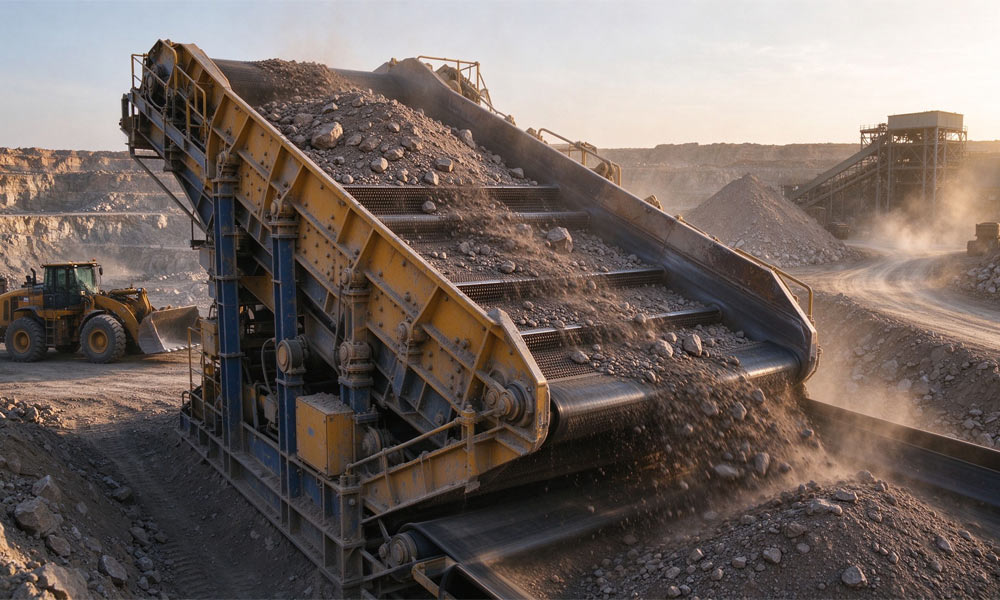
Once you have a clear, complete picture of your feed properties, the next step is to match the machine’s design and configuration to its specific position in your processing flow sheet, because a Shaker Screen Machine built for coarse primary scalping will never deliver the same results as one purpose-built for fine dewatering or final product sizing. If the unit is going to sit right after a primary crusher and take the full impact of run-of-mine ore, you need a heavy-duty frame with reinforced side plates, a high stroke amplitude, and a deck angle optimized to handle high impact and move coarse material quickly, rather than the low-amplitude, low-angle design that works best for fine sizing. If it is going to be your final product sizing deck for construction aggregate, you need a machine with precise stroke control, even feed distribution across the full deck width, and enough open area to hold tight, consistent cut points that meet strict gradation specifications shift after shift. Too many operations buy a one-size-fits-all machine and try to make it work in every position, which forces them to make constant compromises on throughput and product quality that add up to massive lost revenue over the machine’s service life.
Match Screen Media Options To Your Wear And Maintenance Realities
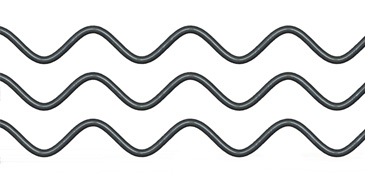
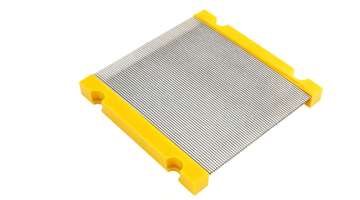
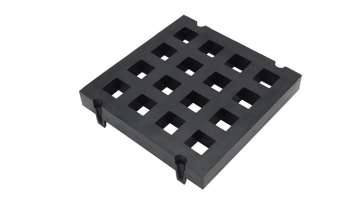
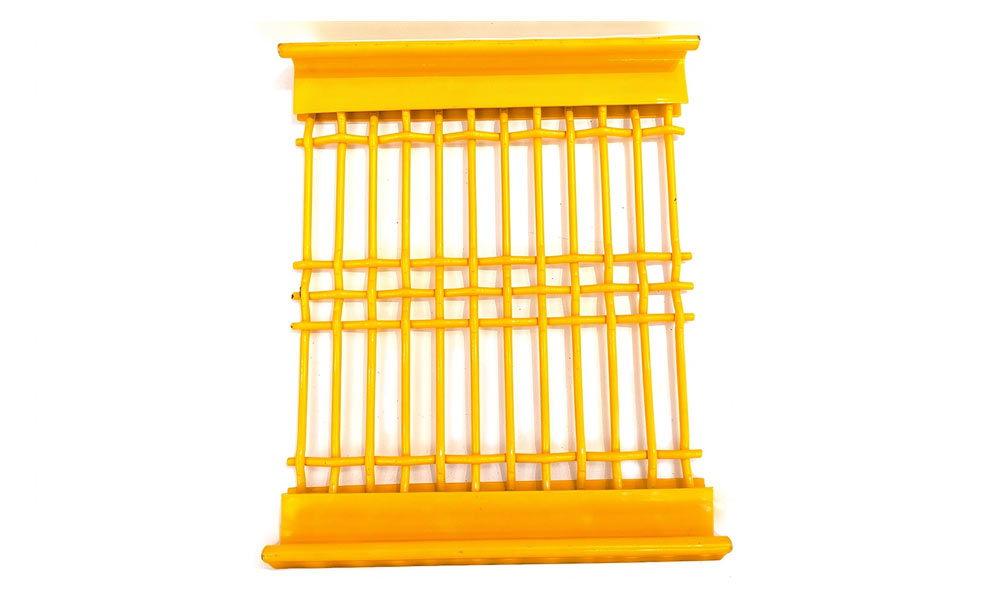
Even the best-engineered machine on the market will underperform if you do not pair it with the right screen media system that fits your site’s maintenance capabilities and wear patterns, and this is one area where many teams leave massive efficiency gains on the table when selecting a new Shaker Screen Machine. If you’re working with a small maintenance crew and short on time, swapping the whole deck every time something wears out just isn’t practical. A modular panel system lets you replace only the damaged section — not the entire deck cloth — so you can cut downtime between media swaps by 70% or more. That means your team can fix a torn spot in minutes, not hours.Now, if you’re handling wet, abrasive slurry, choosing a machine designed for high-performance polyurethane panels instead of just woven wire mesh will make your screens last three to five times longer. That’s a huge win, and it cuts down those annoying, unexpected stops for repairs when media tears or gets clogged.One more thing: don’t overlook the tensioning system. It needs to be easy for the crew to adjust, right from the walkway. Poorly tensioned media is the biggest culprit behind screens failing early, and if the setup’s hard to reach, your crew will have a tough time fixing the problem fast. That’s just asking for trouble.
Validate Throughput Claims Against Your Site’s Long-Term Operating History
Before making your final pick, you need to compare every supplier’s throughput and performance claims against your own site’s operating history. Don’t just trust catalog numbers for your new Shaker Screen Machine. Most suppliers calculate throughput with spotless, free-flowing dry material — no sticky fines, no tricky near-size particles, perfect feed conditions. Honestly, conditions like that barely exist on actual mines and quarry sites.If your current 2-meter screen only manages 120 tons per hour in reality, even when its catalog claims 180, don’t expect a new, wider 2.5-meter unit to magically reach the full catalog rating of 250 tons per hour. Set your expectations based on real-world results, or you risk picking a machine that’s just too small for your peak production demands.You should also ask every supplier for references from operations running the exact same material at a similar tonnage, and talk directly to their maintenance and process teams to hear what real issues they have run into with the machine, instead of only talking to the sales representative who is trying to make the sale.
At the end of the day, selecting the right shaker screen machine for your mining or aggregate operation is never just about picking the biggest, cheapest, or highest-tonnage unit from a brochure. It is about building a choice around your site’s unique feed properties, specific position in the flow sheet, maintenance team’s capabilities, and real historical operating data, instead of relying on generic marketing numbers that do not reflect your daily working conditions. When you take this practical, field-focused approach, you end up with a machine that does not just hit its nameplate tonnage, but also delivers consistent cut points, long screen media life, minimal unplanned downtime, and a total cost of ownership that makes a clear, positive impact on your site’s bottom line for years after installation.