Installation and Tightening Specifications for Polyurethane Fine Screens Used in High-Frequency Screening
Getting the installation right for a polyurethane fine screen in a high-frequency vibrating system is not just about following steps—it’s the difference between a screen that runs flawlessly for months and one that fails in weeks due to loose edges, uneven tension or cracked rubber. High-frequency screening puts intense, rapid stress on every component, and small mistakes during installation get magnified fast into major downtime events. Here are the key tightening specifications that keep polyurethane fine screens running reliably.
Precise Polyurethane Edge Strip Alignment and Seating
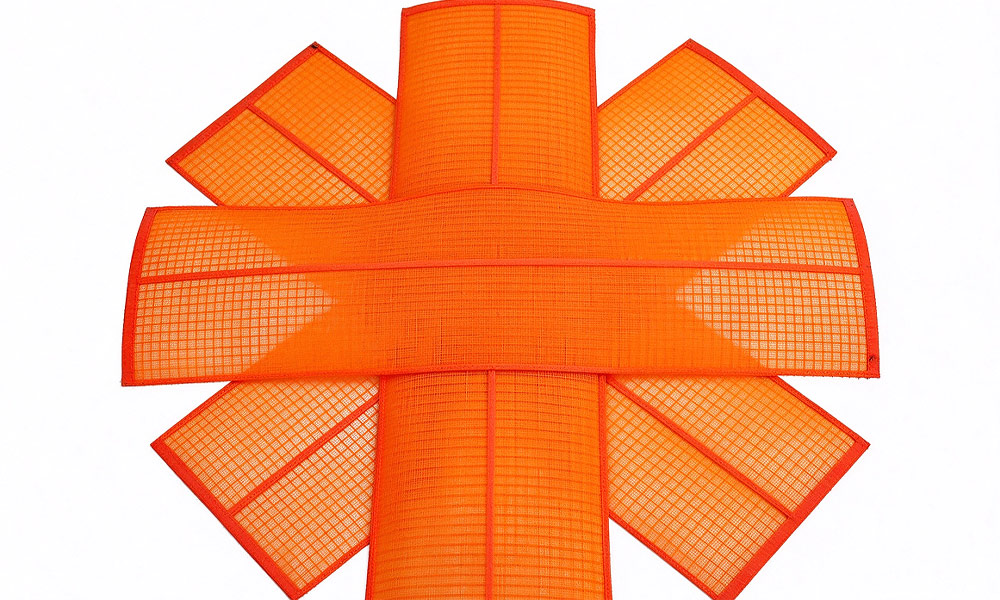
The polyurethane edge strip is not just a seal; it’s the primary structural frame that holds the entire PU fine screen panel in place under high-frequency vibration. During installation, you must seat the edge strip fully into its dedicated channel on the screen frame, with zero gaps or raised sections. A common mistake is leaving a 1–2mm gap at the corners, which creates a weak point where the fine screen panel can start to shift and flap under load. Use a rubber mallet to gently tap the entire edge strip perimeter until it sits completely flush and even.
Correct Tension Hook Tightening Sequence and Torque
Tension hooks are what lock the polyurethane fine screen panel tight against the frame, and tightening them in the wrong order or with uneven force is the fastest way to cause premature screen failure. Always follow a star-pattern tightening sequence, starting from the center of each side and working outward toward the corners, to apply even tension across the entire panel. For most high-frequency screening applications, the recommended torque for tension hooks is 20–25 Nm. Over-tightening beyond this can crack the polyurethane material, while under-tightening leaves slack that causes impact damage from looseness.
Post-Installation 24-Hour Re-Tensioning Check
Even with perfect initial installation, polyurethane fine screen panels will relax slightly during the first 24 hours of high-frequency operation as the material settles. Skipping the 24-hour re-tensioning check is a guaranteed way to end up with a loose, slapping screen that tears itself apart. After one full day of running, stop the screen and re-tighten all tension hooks by a quarter-turn to take up the slack. This single step can extend your screen’s service life by 40% or more.
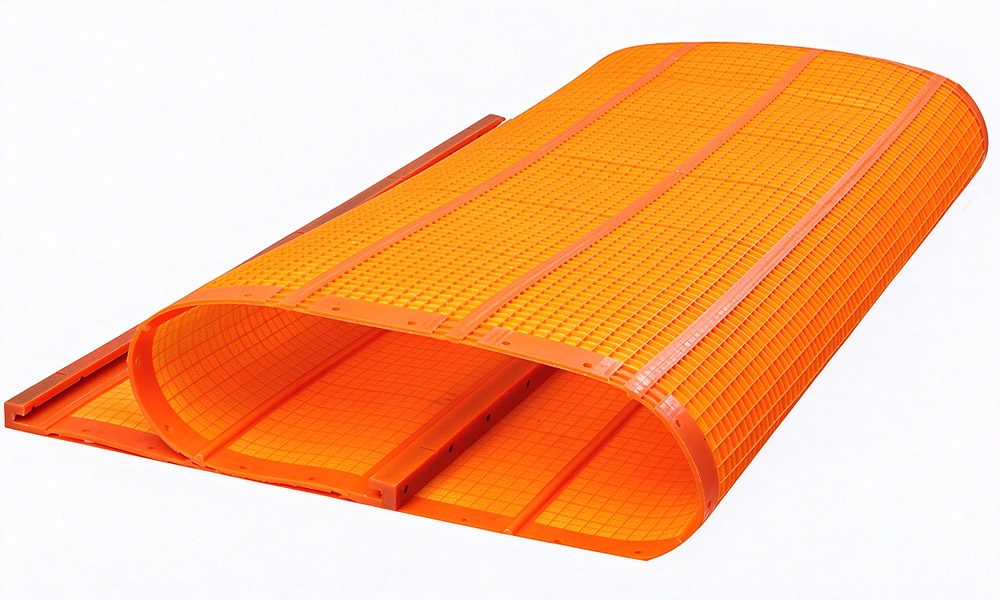
Field data shows that compared to facilities relying solely on experience for tensioning, those strictly adhering to these three installation specifications reduced the replacement frequency of polyurethane fine screens by more than 60%; investing a little extra time during installation to ensure compliance can prevent greater losses caused by unplanned downtime later on.