 Rubber Screen Plates">
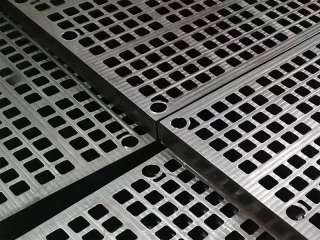
Standardized hardness testing methods and clear acceptance criteria for Rubber Screen Plates eliminate this hidden quality risk, making sure every batch you receive meets the exact performance specification your operation requires
 Rubber Screen Plates in Chromium Ore Beneficiation: Impact and Corrosion Resistance">
Deploying properly formulated Rubber Screens in Chromium Ore processing circuits solves both of these core pain points, delivering far longer service life and far more stable Screening performance than standard metal media
 Rubber Screen Plates on Screening Efficiency">
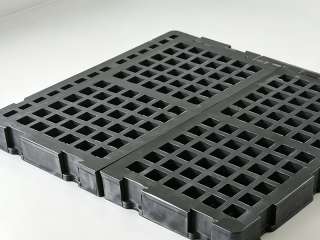
For aggregate processing operations seeking a balance between high throughput and consistent product gradation, the effective open area of Rubber Screen panels is a critical factor that directly determines overall Screening efficiency and performance
 Rubber Screen panels: dimensions, aperture shape, and hardness">
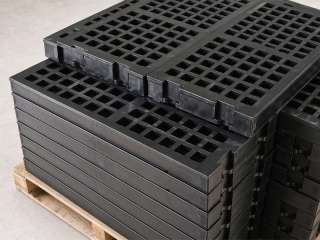
Clearly defining the three core Rubber Screen Plates parameter groups in your first inquiry will eliminate almost all these common misalignment issues, helping you get a product that perfectly matches your operation’s needs
 Screen Panels">
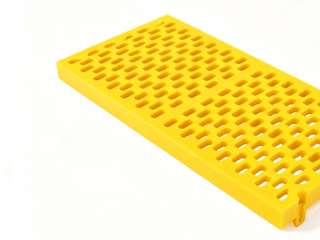
Modular polyurethane Screen Plates have a service life that is 3-5 times longer than ordinary metal Screen Plates and approximately 5 times longer than Rubber Screen Plates
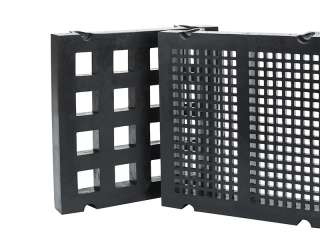 Rubber Screen Panel Thickness for Light and Heavy Duty Use">
Picking the right Rubber Screen panel thickness might seem like a tiny detail, but it’s one of the easiest ways to slash unnecessary wear costs and keep your Screening line running reliably
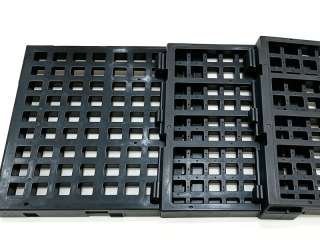 Rubber Screen Panels for Limestone Final Crushing: Noise Reduction & Impact Resistance Practical Guide">
switching to purpose-built Rubber Screen panels at the final crushing stage can cut on-site noise by 15-20 decibels and extend Screen service life, while maintaining consistent Screening accuracy for your required final aggregate gradation
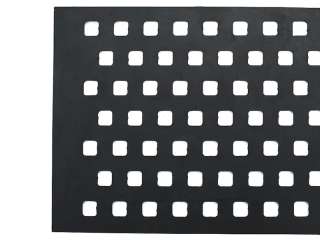 Rubber and Polyurethane Screen">
Choosing between Rubber Screen Plates and polyurethane Screen meshes is one of the most frequent dilemmas for aggregate, mining, and recycling operations
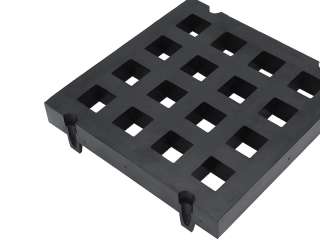 Screen: Maximizing Life of Rubber Screen Panels">
If you’ve ever pulled a Screen deck and found half the high-natural Rubber Screen Plates shredded while the other half look brand new, you know the frustration
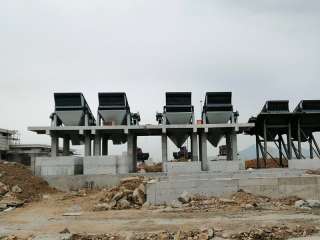 Rubber Screen Panels Dominate Primary Dry Screening">
For dry Screening large, high-impact materials, mining Rubber Screen panels aren t just an alternative; they are the gold standard They bring a unique set of advantages that steel simply can t match
