For aggregate processing operations seeking a balance between high throughput
and consistent product gradation, the effective open area of rubber screen
panels is a critical factor that directly determines overall screening
efficiency and performance. With steel screens, increasing the open area
inevitably compromises structural strength; in contrast, rubber screen panels
featuring an embedded metal support framework offer greater flexibility in
adjusting the open area, allowing for screen configurations optimized for
specific feed characteristics with fewer design constraints. An appropriately
set open area can significantly boost overall screening efficiency while
minimizing frequent screen damage and the contamination of the final product
with oversized particles, thereby greatly enhancing screening quality.
The Sweet Spot for Balanced Throughput and Accuracy
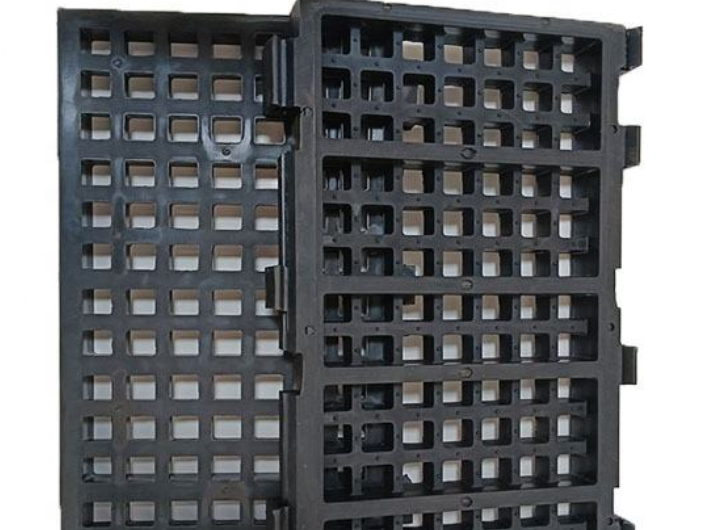
A higher effective open area ratio lets more qualified fine particles pass
through the deck per unit time, lifting your hourly processing capacity
noticeably. But pushing the ratio too far above the 40% threshold will thin out
the rubber support ribs between holes, making the plates far more prone to
tearing under repeated heavy material impact, and raising the risk of
unqualified oversize chunks slipping through the apertures into final products.
For most general limestone and aggregate processing lines, the 30% to 40% open
area range hits the perfect balance: it delivers 20% higher throughput than
standard low-open-area rubber screens, while keeping the plate structural
strength high enough to last 4 to 6 times longer than equivalent punched steel
screens.
Custom Tuning for Specialized Working Conditions
For sites processing high-moisture sticky materials like clay-bound gravel, a
slightly elevated open area paired with the natural self-cleaning tapered holes
of rubber screen plates can cut down blockage rates by nearly 30%, pushing
effective screening efficiency even higher. For heavy-duty lines sorting large
50mm+ raw ore chunks, a slightly lower 25% to 30% open area will preserve enough
rubber rib width to absorb repeated high-velocity impacts, preventing premature
hole deformation that would ruin your final gradation consistency mid-run.
If you are still dealing with mismatched rubber screen plate open area
settings that drag down your throughput or cause frequent unqualified product
leakage, our team of on-site screening specialists can run a quick free
assessment of your feed size distribution, material moisture level and target
gradation to lock in the perfect open area ratio for your line. Reach out today
for a no-obligation custom recommendation to lift your screening efficiency and
cut unnecessary screen replacement costs this month.


Leave A Reply
By using form u agree with the message sorage, you can contact us directly now