 Polyurethane Screen Panels">
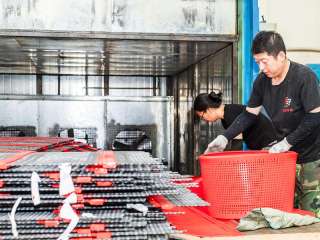
As industries prioritize sustainability, managing waste Polyurethane Screen Panels has become a key challenge Their robust design complicates disposal, making simple landfilling wasteful and increasingly costly
 Polyurethane Screen Panels">
Polyurethane Screen Panels are valued for their wear resistance and flexibility, but harsh chemical environments demand specialized formulations
 Polyurethane Screen Panels">
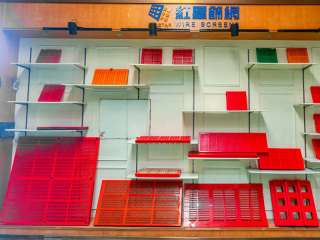
For plant operators, identifying manufacturing defects in new Polyurethane Screen panels is crucial to avoid premature failures A systematic acceptance check ensures you install panels fit for purpose
 Polyurethane Screen Panels">
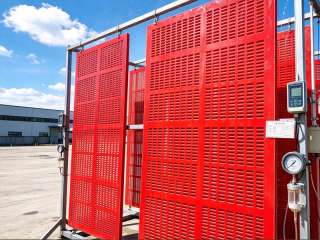
Real-world results than any manufacturer spec sheet could ever provide, and it completely changed how I select Polyurethane Screen Panels for my own operation
 Polyurethane Screen Panels and Safe Operation">
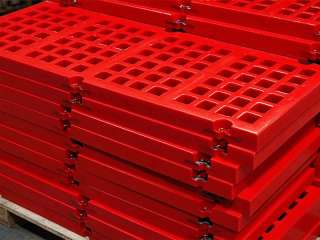
For operations processing wet, sticky, or fine materials, Screen blinding is a major efficiency killer Beyond choosing the right aperture, the surface design of Polyurethane Screen Panels is critical
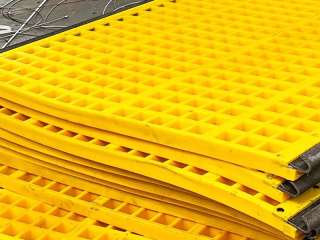 Polyurethane Screen Panels for Zinc Ore Processing">
Processing zinc ore presents a unique set of challenges for Screening equipment This is where specially formulated Polyurethane Screen Panels offer a targeted anti-adhesion and wear-resistant solution
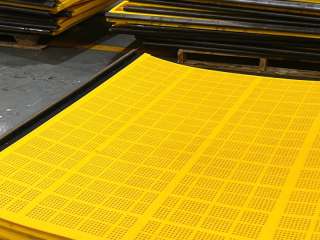 Polyurethane Screen panels to extend service life">
In mineral processing, vibrating Screen panels face constant stress, and failure often begins at the edges While panel aperture determines separation, edge integrity dictates overall lifespan
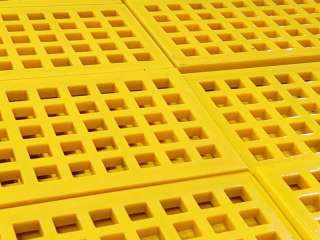 Polyurethane Screen Panel Replacement Cycles: Wear Monitoring and Spare Parts Planning">
The solution of unplanned Screen panel failures is shifting from reactive replacement to a predictive system for Polyurethane Screen panel replacement cycles based on wear monitoring and data-driven spare parts planning
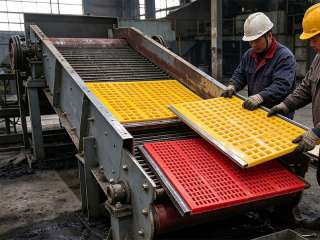 Polyurethane panels for media recovery and dewatering stages in coal preparation">
In coal prep plants, the media recovery and dewatering stages are facing a brutal combination of abrasive magnetite slurry and high-pressure spray water Polyurethane Screen Panels are not just spare parts but a critical operational upgrade
 Polyurethane Screens and Respective Application Scenarios">
Selecting the right Polyurethane Screen panel requires careful consideration of aperture shape, as it directly impacts performance For Polyurethane Screen Panels, the three primary shapes—round, square, and slotted apertures
