As someone who has spent years running a small aggregate quarry in a region with extremely intense year‑round sunlight, I have gone through more batches of prematurely failed screen panels than I can count, which is why I decided to run a full real‑world test on the UV aging resistance and outdoor weatherability of different Polyurethane Screen Panels available on the market. I left test samples from 3 different suppliers out on an open, fully exposed steel rack on my screening deck for 6 full months, covering the hottest summer months, occasional heavy rainstorms and even a few unexpected cold snaps, to see exactly how each sample held up to real outdoor conditions instead of relying on lab‑only data that never matches actual site use. This hands‑on test gave me far more actionable, real‑world results than any manufacturer spec sheet could ever provide, and it completely changed how I select Polyurethane Screen Panels for my own operation.
First Month Initial Performance Observations
After the first 30 days of full outdoor exposure, all three sets of Polyurethane Screen Panels still looked almost identical, with no visible discoloration, surface cracking or texture change that I could spot during my daily walkaround inspections. I even ran a simple manual abrasion test by rubbing each panel surface with a stiff wire brush, and all three showed almost no noticeable wear, which made me think at first that all these products would perform almost the same out in the field.
Six‑Month Full Exposure Final Test Results
By the end of the full six‑month test period, the differences between the three sets of Polyurethane Screen Panels were impossible to miss: the cheapest no‑name sample had turned pale yellow, developed fine surface cracking all over its face, and started flaking tiny polyurethane particles when I scraped it lightly with a screwdriver. The mid‑priced imported sample showed slight discoloration but no surface cracks, while the highest‑quality UV‑stabilized panels I sourced from a professional supplier showed almost no visible color change at all, no surface cracking, and maintained the exact same abrasion resistance it had when I first put it out on the rack.
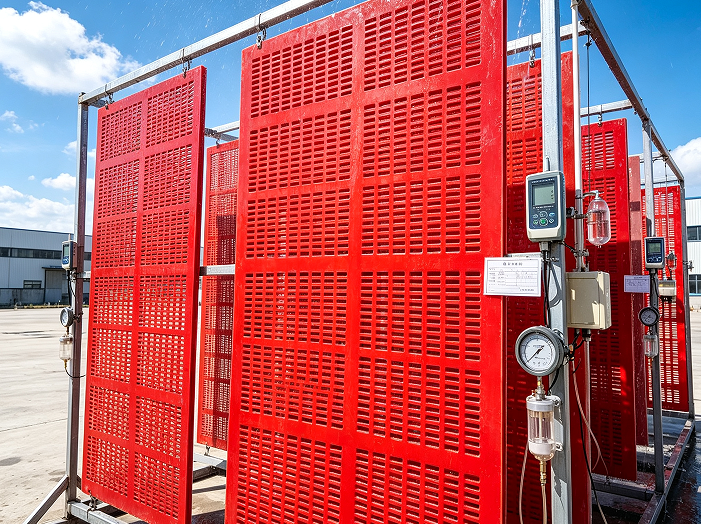
This hands‑on real‑world test completely proved to me that not all Polyurethane Screen Panels are built to stand up to long‑term full outdoor exposure, and investing in a formulation with proper UV stabilizers delivers way longer service life for sites that run their screening decks in fully uncovered outdoor conditions. If you are also running screens in a high‑sunlight outdoor environment and want a recommendation for the exact UV‑stabilized formulation that passed my full 6‑month test, I can point you to the supplier details and share the full test data I collected.


Leave A Reply
By using form u agree with the message sorage, you can contact us directly now