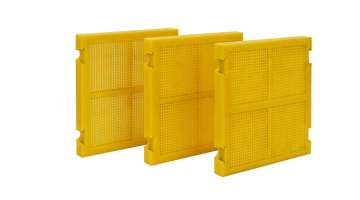
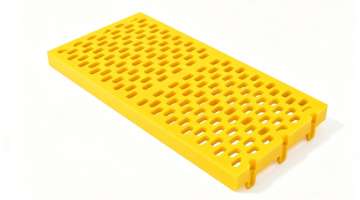
Material Analysis of Oil-, Acid-, and Alkali-Resistant Polyurethane Screens
Polyurethane screen panels are valued for their wear resistance and flexibility, but harsh chemical environments demand specialized formulations. A focused material analysis of oil-resistant, acid-resistant, and alkali-resistant polyurethane reveals how tailored chemistry enables these panels to withstand specific corrosive agents while maintaining performance, offering a durable alternative to metal in severe conditions.
Oil-Resistant Polyurethane Formulations
Standard polyurethane can degrade when exposed to oils and solvents. Oil-resistant polyurethane panel is specifically engineered to prevent this. Key to its performance is the use of ether-based polyols in its formulation. Ether linkages provide superior hydrolytic stability, meaning they resist breaking down in the presence of both water and oil. This makes ether-based PU panels ideal for screening oily minerals, in recycling plants handling lubricated materials, or in any wet process where oil contamination is present, preventing the panels from softening, swelling, or losing their shape.
Why Weight Quietly Controls Everything on a Changeout
People spec a screen by aperture, wear life, and price, then act surprised when the panel that “should take twenty minutes” eats two hours because it weighs as much as a washing machine and the side plate has shifted two millimeters since commissioning. A Lightweight Polyurethane Screen flips the hidden math: lower mass means one person can carry it, position it, and feel when it seats correctly instead of guessing under load; it means the frame is not shocked by a dropped panel; and it means the support bars, hook rails, and cassette latches are not constantly fighting gravitational sag during installation. Ergonomics is not a HR buzzword here—manual handling injuries around vibrating screens are depressingly common, and every kilogram removed from the panel is a kilogram the crew does not twist, pinch, or drop onto a boot. Lighter panels also reduce the temptation to “make do” with a damaged panel because nobody wants to haul the heavy one in from the yard; in that sense, a Lightweight Polyurethane Screen indirectly improves screening quality, because crews change worn panels on time instead of bargaining with a blinded deck.
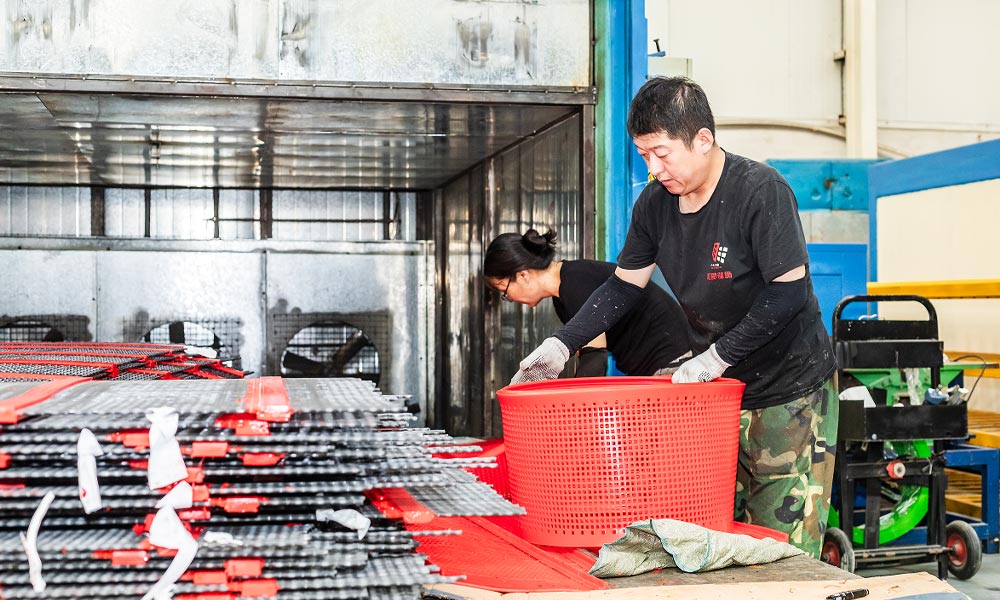
Engineering Lightweight Without Turning the Panel Into Foam
The danger with any lightweight story is that someone shaves thickness, drops the insert, and sells a panel that flexes beautifully in the warehouse and tears off the frame on the first lump of bauxite. A proper Lightweight Polyurethane Screen is not just “thinner polyurethane”—it is a structural redesign: optimized rib patterns on the underside, molded-in reinforcing inserts only where load enters, wider but smarter support contact, tapered crowns that keep wear face mass where abrasion happens, and compounds tuned for rebound and cut resistance rather than raw hardness. The panel can lose dead weight in the middle while keeping boss thickness at the bolt or cassette zone, so the deck stays seated under vibration even though the carry weight dropped. Quick-assembly features pair naturally with lightweight design: a cassette that weighs nine kilos installs faster than a steel-backed panel that weighs forty, and the latch confirms seating with a click instead of a torque wrench argument. The art is removing mass where it does nothing for wear life and keeping mass where it carries load, so the Lightweight Polyurethane Screen feels almost cheeky in the hand yet refuses to fold under a moist iron-ore slurry or a sticky coal fines bed.
Installation Speed and the Shift-Change Dividend
Installation time is rarely destroyed by the bolting—it is destroyed by the walking: fetch the panel, find the right crane, wait for the rigger, maneuver around the chute, swear at the misaligned rail, drop a washer into the sump, start again. A Lightweight Polyurethane Screen collapses that theater because the panel can be hand-carried to the deck, dropped into a cassette rail, slid along the stringer, and locked without a lifting plan that needs a supervisor’s signature. In plants running three shifts, that speed becomes a process advantage: the blinded fine deck gets changed during the overlap instead of after the crusher stalls, and the metallurgist stops receiving complaints about oversize in the concentrate because the screen was “almost due” for a swap. Crane avoidance also removes a scheduling bottleneck—maintenance no longer competes with the electrical team for the hoist, and the screen change stops being a coordinated event requiring radios and permits.
Acid-Resistant Polyurethane Formulations
Acid-resistant polyurethane screen is designed to withstand low pH environments, such as those in mining with acidic drainage or chemical processing. The formulation enhances the polymer's stability against acidic solutions. This is achieved through specific additives that act as acid scavengers and by creating a dense, inert polymer matrix that resists acid penetration. This allows the panels to maintain their structural integrity and screening accuracy when processing acidic slurries, where metal screens would corrode rapidly.
Alkali-Resistant Polyurethane Formulations
Conversely, alkali-resistant polyurethane screen mesh combats degradation from high pH substances like caustic soda or lime. Alkalis can cause saponification, breaking down polymer chains. Resistant formulations focus on creating a tightly cross-linked molecular structure with chemical groups that are less reactive to hydroxide ions. This design prevents the panel from becoming brittle or disintegrating in alkaline environments, making it suitable for applications in alumina refineries, phosphate processing, or areas using strong alkaline wash-downs.
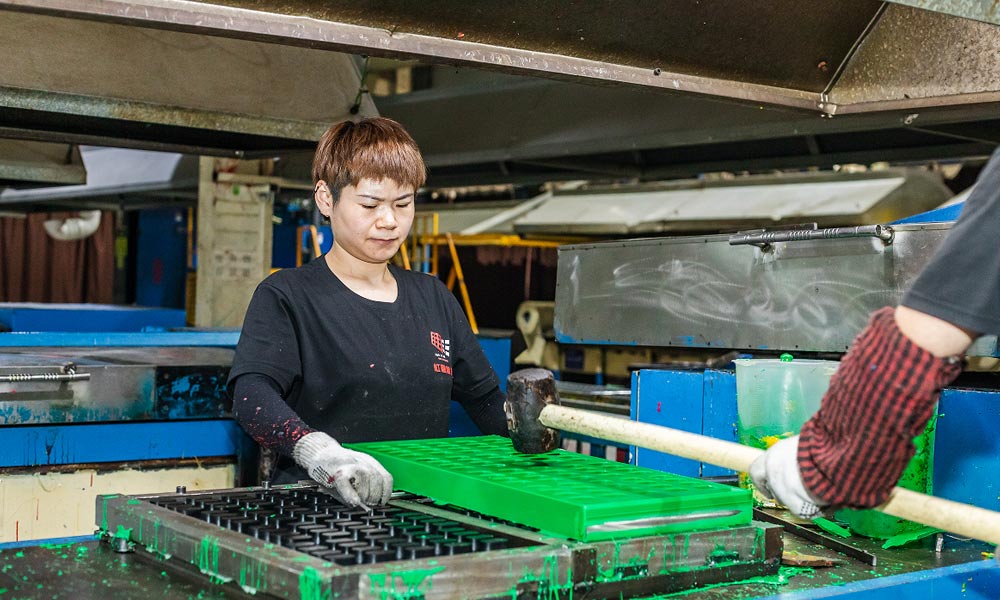
Alkali-resistant polyurethane screen mesh holds up well against harsh, high-pH chemicals like caustic soda or lime. Alkalis usually break down polymers through saponification, snapping those molecular chains apart. To fight this, manufacturers design these meshes with a tightly cross-linked structure and chemical groups that don’t react much with hydroxide ions. This keeps the mesh from getting brittle or falling apart in alkaline settings. You’ll typically see these used in places like alumina refineries, phosphate processing plants, or anywhere strong alkaline cleaning is common.