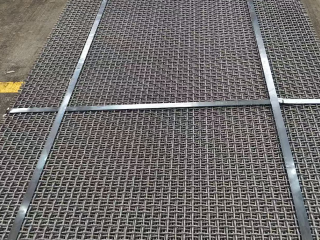
Sourcing mining screens and accessories from one supplier isn’t just convenient—it’s a strategic cost-saver By cutting communication friction and eliminating compatibility risks
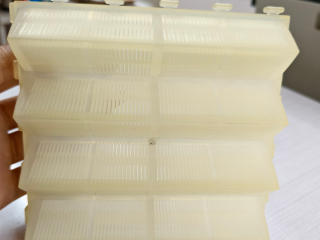
The dewatering "hump " screen plate represents more than just a simple component upgrade; it is a revolution in efficiency for coal dewatering processes
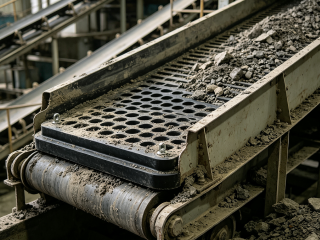
In the punishing world of iron ore screening, heavy-duty rubber panels prove their value by absorbing massive impacts, resisting abrasion and corrosion, and lowering noise
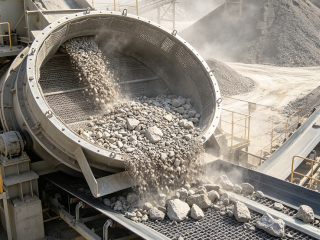
The right selection and bulk procurement of quarry aggregate screening mesh is never about chasing the cheapest price
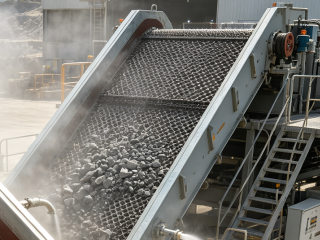
Self-cleaning screens have quietly become a game-changer on modern mining sites—not by adding complexity, but by solving a problem every operator knows too well: blinding When fine, damp material clogs standard mesh, productivity tanks
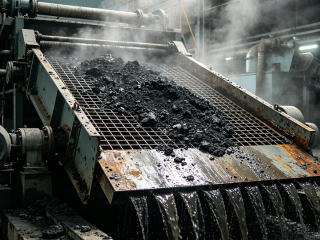
Choosing the right load-bearing steel gratings for drainage systems in coal preparation plants and tailings ponds is not a trivial purchase, but a critical decision that prevents long-term operational and safety headaches
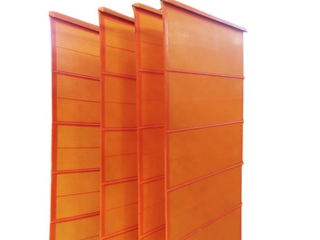
Today, the industry is moving toward tailings dry stacking, and at the heart of this revolution is a powerful duo: the high-frequency polyurethane fine screen and its star player of dewatering panel
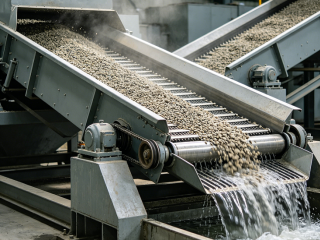
Standard vibrating screens often struggle with classification and dewatering recovery tasks,The linear excitation force design of linear vibrating screens breaks this efficiency bottleneck
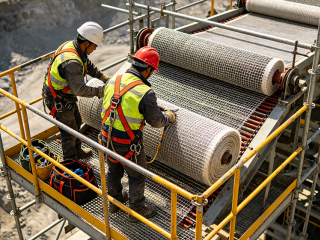
Work at heights is a routine part of installing, replacing, and maintaining mining screens In such an environment, safety is paramount, a standardized set of operating procedures is essential to completely eliminate risks
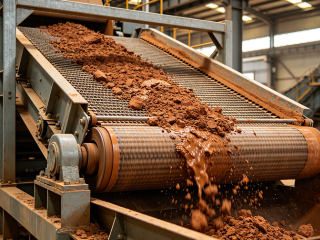
Traditional screens cannot withstand the challenges posed by such sticky materials, resulting in substandard throughput and lower screening efficiency The advent of self-cleaning flip-flow screens has resolved this problem
